What Is Masala Dosa? Taste, Texture and How to Eat It
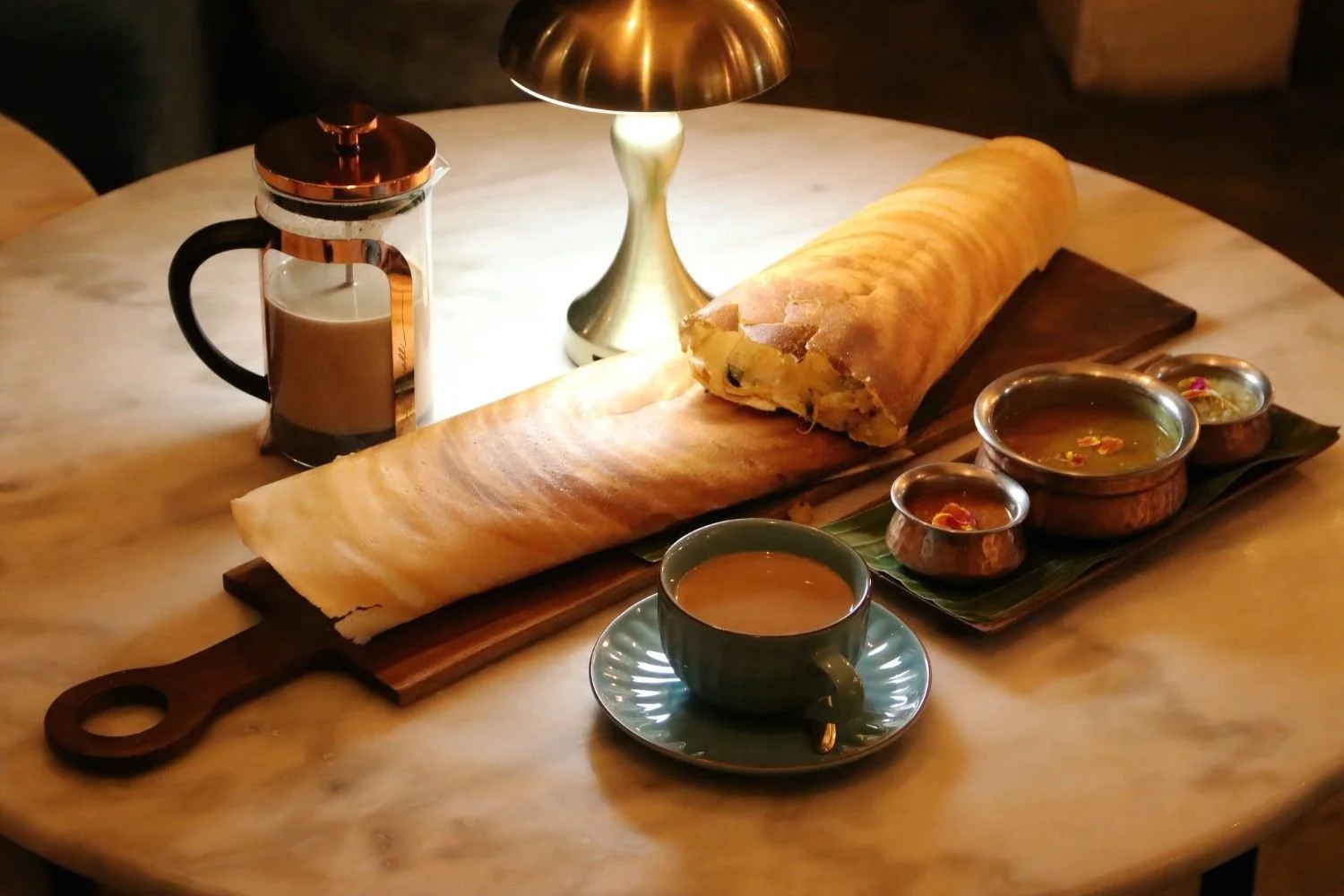
If you have seen a masala dosa arrive at the table for the first time, you may have wondered how something so thin can take up so much space.
A masala dosa is a South Indian dish built around a thin, fermented dosa wrapped around a savoury potato filling. It is commonly served with accompaniments such as sambar and coconut chutney, which add moisture, acidity, spice and contrast to the crisp dosa.
For someone trying Indian food for the first time, masala dosa can feel quite different from the curries, naan and biryani they may already know. It is crisp rather than saucy, light in structure yet satisfying, and designed to be eaten together with its filling and accompaniments rather than as separate parts.
Here is what you are actually eating, what it tastes like, and the easiest way to enjoy it.
What Is Masala Dosa?
Masala dosa starts with dosa, a thin South Indian preparation traditionally made from a fermented batter of rice and urad dal, or split black gram.
The batter is spread thinly across a hot cooking surface and cooked until the base develops colour and the edges become crisp. A seasoned potato mixture is then placed inside before the dosa is folded or rolled.
That potato filling is what turns a plain dosa into a masala dosa.
The basic idea sounds simple, but much of the character comes from the contrast between the crisp dosa, soft potato filling and the different accompaniments served beside it.
Dosa is also a useful reminder that Indian food extends far beyond curry and naan. If you are unfamiliar with the different regional styles of Indian cooking, our Indian Food in Ubud: A Practical Dining Guide explains some of the differences between North and South Indian dishes.
What Is Masala Dosa Made From?
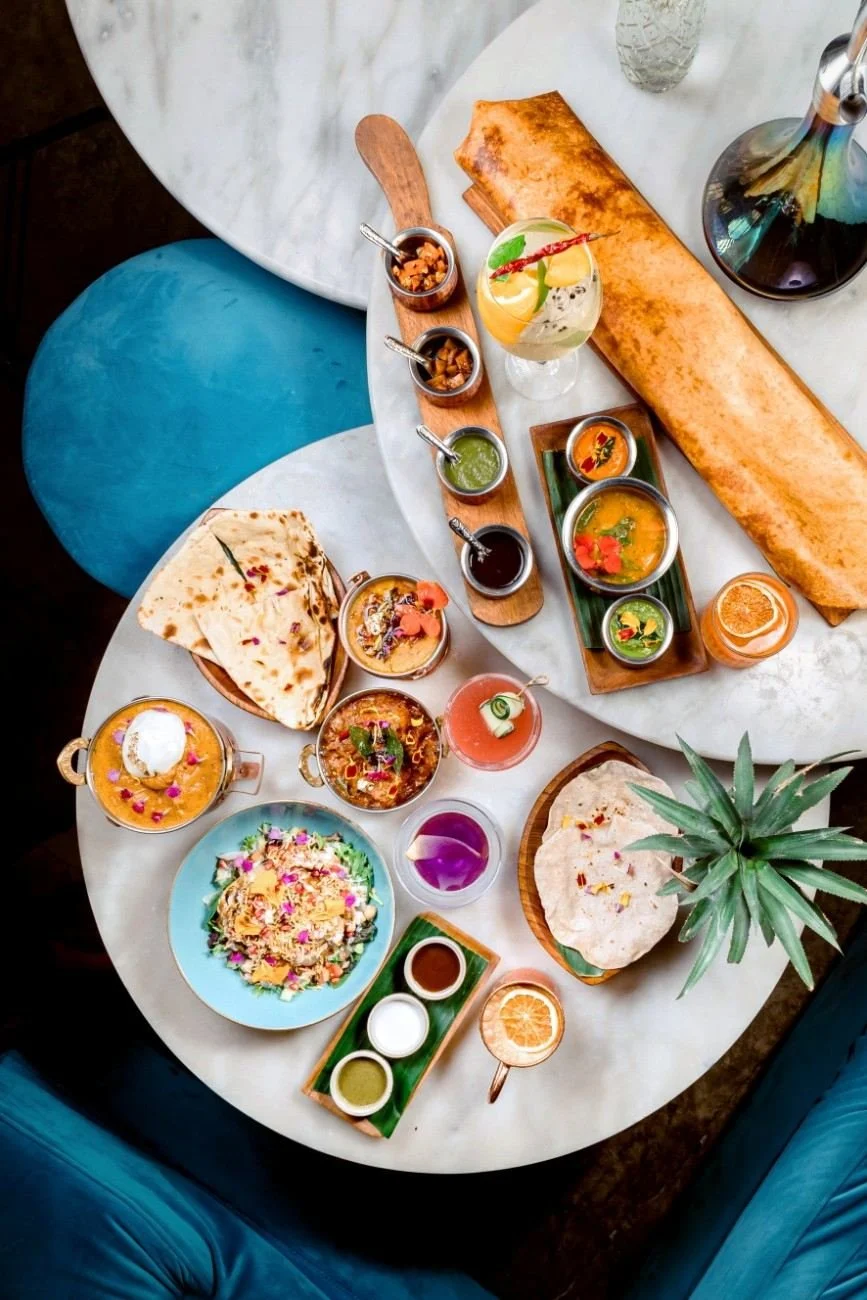
It helps to separate the dosa itself from the filling.
The Dosa
Traditional dosa batter usually starts with:
rice
urad dal, or split black gram
water
salt
Recipes vary, and some versions include additional lentils, fenugreek or other ingredients.
The rice and lentils are soaked, ground and allowed to ferment. This fermentation is one reason dosa tastes different from an ordinary pancake or flatbread.
Instead of tasting strongly of rice or lentils, the cooked batter develops a mild tang and a slightly savoury character.
Once the batter is ready, it is spread very thinly over a hot griddle. The thin layer allows moisture to escape quickly, helping create its recognisable crisp surface.
The Masala Potato Filling
The filling is usually based on cooked potatoes seasoned with spices and aromatics.
Depending on the recipe, it may contain ingredients such as mustard seeds, curry leaves, turmeric, ginger, onion and chilli.
The potatoes remain much softer than the dosa surrounding them. That difference in texture is important: you get a crisp shell and soft, comforting centre in the same bite.
Recipes differ considerably between households and restaurants, so there is no single masala potato mixture used everywhere.
What Does Masala Dosa Taste Like?
Masala dosa does not have one dominant flavour.
The dosa itself is relatively subtle. You may notice mild tanginess from fermentation, toasted flavours from the hot griddle and a savoury character from the rice-and-lentil batter.
The potato filling is usually warmer and more aromatic. Spices, curry leaves and other seasonings bring more depth without necessarily making the dish extremely hot.
Then the accompaniments change the bite again.
Dip a piece into sambar and it becomes softer, more savoury and often tangier.
Add coconut chutney and you introduce a creamy, fresh contrast.
The result is more interesting when the components are eaten together rather than judging the dosa by the crisp shell alone.
Why Is Dosa Crispy Outside but Softer in Some Parts?
A good dosa does not necessarily have exactly the same texture from one end to the other.
When batter is spread thinly over a hot surface, the thinnest areas cook quickly and lose more moisture. These sections can become crisp and almost brittle.
Areas that are slightly thicker retain more moisture and may remain softer or more flexible.
Once a potato filling is added, the centre can soften further because it is in contact with warm, moist potatoes.
So if your masala dosa has very crisp edges but a slightly softer centre, that does not automatically mean something has gone wrong.
The contrast is part of the experience.
What Are Sambar and Chutney For?
If masala dosa arrives with several small bowls beside it, they are not simply decoration.
They change how the dosa tastes from one bite to the next.
Sambar
Sambar is a South Indian lentil-based preparation commonly cooked with vegetables, spices and a souring ingredient such as tamarind.
Its consistency can vary, but it is generally much more liquid than the dosa filling.
Think of it as both an accompaniment and a dipping component.
Breaking off a piece of dosa and dipping it into sambar softens the crisp surface while adding savoury, tangy and spiced flavours.
Coconut Chutney
Coconut chutney provides a different contrast.
Traditional versions commonly use coconut alongside ingredients that can include lentils, chillies, herbs and seasoning.
It tends to feel fresher and creamier than sambar, making it particularly useful between bites with stronger spice or acidity.
Other Chutneys
There is no rule that dosa can only be served with one type of chutney.
Tomato chutney, herb chutneys and other regional or house preparations may also appear.
At Pesona Lounge Ubud, the current Masala Dosa is described on the menu as an oversized, slow-crafted dosa filled with masala potatoes and served with sambar, coconut chutney and tomato chutney. You can check the current preparation on the Pesona Lounge Ubud menu.
Is Masala Dosa Spicy?
Not necessarily.
This is where the difference between spiced and spicy becomes useful.
Masala dosa can contain plenty of spices without producing intense chilli heat. The potato filling may include aromatic spices, mustard seeds, curry leaves and turmeric, while chilli may appear in the filling, sambar or chutneys.
How hot the final dish feels therefore depends on the recipe and what you eat with each bite.
One chutney may also be significantly hotter than another.
If you are sensitive to chilli, taste the accompaniments separately before combining everything.
For a broader explanation of why Indian food does not always mean hot food, read our guide to How Spicy Is Indian Food?.
How Do You Eat Masala Dosa?
There is no complicated technique you need to learn before ordering it.
The easiest method is:
Tear off a manageable piece of dosa.
Pick up a little of the potato filling with it.
Dip the piece lightly into sambar or one of the chutneys.
Try the next bite with a different accompaniment.
Eating it this way allows you to control how soft, spicy or tangy each bite becomes.
You also do not have to pour all the sambar across the dosa immediately.
Doing so will soften the crisp surface quite quickly. Some people enjoy that texture, but if you specifically like crispy dosa, dipping individual pieces allows more of it to stay crisp for longer.
And yes, eating dosa with your hands is completely normal.
If you prefer cutlery, that is fine too. The point is to enjoy the different components together rather than worry about a perfect technique.
Masala Dosa vs Naan: They Are Very Different
Dosa and naan can both appear on an Indian menu, but they belong to very different styles of cooking.
Traditional dosa is based primarily on fermented rice and lentils and is cooked as a very thin layer on a griddle.
Naan is a wheat-based bread. It is thicker, softer and more chewy, and traditional versions are associated with high-temperature cooking in a tandoor.
Naan is particularly useful for tearing and scooping up curries.
Masala dosa is already more complete as a dish because the filling sits inside it and sambar and chutneys are usually served alongside.
If you want to understand the bread in more detail, see our guide to Why Naan Is More Than Just Bread.
Is Dosa the Same as a Crêpe?
Calling dosa an “Indian crêpe” can help someone imagine its thin shape, but the comparison only goes so far.
Many familiar crêpes are made from wheat flour and may use milk and eggs.
Traditional dosa uses fermented rice and lentil batter.
Fermentation also gives dosa a flavour and texture that a typical crêpe does not have.
So while both can be thin, round and cooked on a flat surface, they are not simply different versions of the same food.
Dosa has its own ingredients, technique and culinary tradition.
Is Masala Dosa Vegetarian?
A potato-filled masala dosa is commonly vegetarian, but that does not mean every version automatically suits every dietary requirement.
For example, some cooks may use ghee or other dairy ingredients during cooking. Recipes for chutneys and accompaniments also vary.
Traditional rice-and-lentil dosa batter does not depend on wheat flour, but diners who need to avoid gluten should not assume that every restaurant version is certified gluten-free. Ingredients, preparation surfaces and cross-contact practices can differ between kitchens.
The same caution applies to vegan diets.
If either requirement is important to you, ask the restaurant about the actual recipe and preparation method rather than relying only on the name of the dish.
When Should You Order Masala Dosa?
Masala dosa is particularly worth considering if you want Indian food but do not necessarily want a heavy curry-based meal.
It can also be a good choice when:
you enjoy contrasting crisp and soft textures
you prefer potato-based fillings
you want to explore South Indian food
you are curious about fermented foods
you want something different from curry, rice and naan
you enjoy dipping and combining flavours yourself
It is less useful to think of dosa as a substitute for naan.
They play completely different roles.
Think of it instead as its own dish with its own filling, texture and set of accompaniments.
Trying Masala Dosa in Ubud
Ubud has a dining scene where North Indian favourites such as curries, tandoori dishes and naan often sit alongside dishes from other parts of India.
Masala dosa provides a particularly clear example of how different those regional cooking traditions can be.
At Pesona Lounge Ubud, our current version is an oversized Masala Dosa filled with masala potatoes and served with sambar, coconut chutney and tomato chutney.
If it is your first dosa, do not rush through it.
Break off a crisp edge first and taste it on its own.
Then add some potato.
Try the next piece with coconut chutney.
Dip another into the sambar.
By the fourth bite, the question usually stops being “How am I supposed to eat this?”
You have already figured it out.
Frequently Asked Questions
What is masala dosa?
Masala dosa is a South Indian dish consisting of a thin dosa wrapped or folded around a seasoned potato filling and commonly served with sambar and chutney.
What is dosa made from?
Traditional dosa is primarily made from rice and urad dal that are soaked, ground into batter and fermented before cooking.
Recipes vary between regions, households and restaurants.
Is masala dosa very spicy?
Not always. It contains spices, but the amount of chilli depends on the recipe. The filling, sambar and different chutneys may also have different levels of heat.
Why is dosa sour?
The mild tang associated with traditional dosa comes partly from fermentation of the rice-and-lentil batter.
It should not necessarily taste aggressively sour.
Do you eat masala dosa with your hands?
You can. Tear off a piece, combine it with some potato filling, then dip it into sambar or chutney.
Using cutlery is also perfectly fine.
Is masala dosa gluten-free?
Traditional dosa batter made from rice and urad dal does not rely on wheat flour. However, recipes and kitchen practices vary, so anyone who medically needs to avoid gluten should confirm ingredients and cross-contact procedures directly with the restaurant.
Is masala dosa vegan?
It can be, but it should not automatically be assumed to be vegan. Some preparations may use ghee or other dairy products, and accompaniments can vary. Ask about the specific preparation if you follow a vegan diet.