How Spicy Is Indian Food? A Guide for First-Time Diners
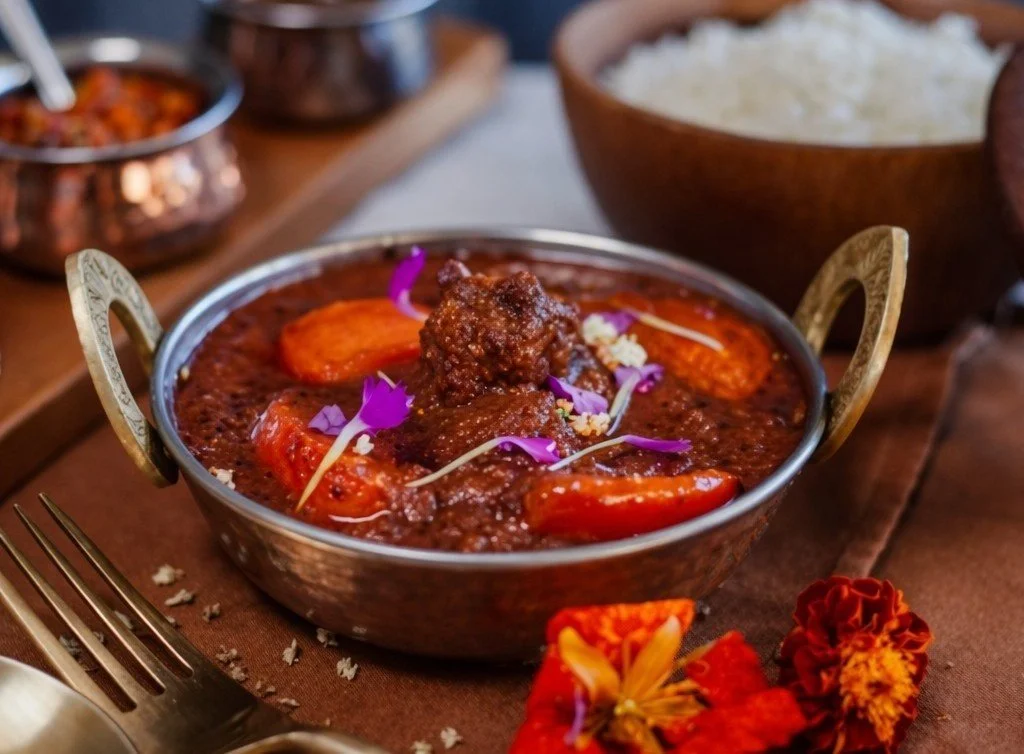
If you're trying Indian food for the first time, one question often comes up before anything else: how spicy is Indian food?
The short answer is: it depends.
Indian cuisine is famous for its spices, but spiced and spicy are not the same thing. Many dishes use combinations of cumin, coriander, turmeric, cardamom, cinnamon, cloves, and other aromatics to build layers of flavour without necessarily creating intense chilli heat.
Some Indian dishes can certainly be fiery. Others are creamy, smoky, tangy, earthy, aromatic, or relatively mild. Understanding that difference is one of the easiest ways to approach an Indian menu with more confidence.
Spiced Doesn't Always Mean Spicy
One of the most common misconceptions about Indian food is that a dish containing many spices must also be hot.
It doesn't.
Spice Is About More Than Heat
Spices have different jobs in Indian cooking.
Cumin can contribute earthy warmth, cardamom brings fragrance, turmeric adds colour and an earthy character, while coriander seeds can introduce citrusy and nutty notes.
Chilli is only one part of a much broader spice palette.
The result is that a curry can taste deeply aromatic and complex while remaining relatively mild. How spices are toasted, ground, combined, and cooked with other ingredients also influences the final character of a dish.
Where Does the Heat Actually Come From?
When Indian food is hot, chilli is usually one of the main contributors.
Fresh chillies, dried chillies, and chilli powder can be used differently depending on the recipe. Their quantity and preparation can significantly affect how much heat you experience.
Recipes also vary between regions, restaurants, and individual cooks, which is why there isn't one universal spice level for Indian food.
Are All Indian Curries Spicy?
No. Even within the broad category of curry, heat levels can vary considerably.
Mild and Creamy Curries
Creamier curries can be an approachable starting point for diners who don't enjoy much chilli.
Butter Chicken, for example, is generally associated with a rich tomato-based sauce, creaminess, and aromatic spices rather than aggressive heat.
Paneer and vegetable curries can also provide plenty of flavour without necessarily being intensely hot, although preparation varies between dishes and restaurants.
Aromatic Dishes with More Intensity
Not everything fits neatly into either mild or very spicy.
Many Indian dishes sit somewhere in between, balancing chilli with ingredients such as ginger, garlic, tomato, herbs, and aromatic spices.
This middle ground can be particularly interesting for first-time diners who want to experience more intensity without immediately choosing one of the hottest dishes available.
Hotter Indian Dishes
Then there are dishes for diners who genuinely enjoy chilli.
Vindaloo is one of the better-known examples and is commonly associated with a hotter, sharper flavour profile.
Even then, the exact heat level varies by preparation. Rather than choosing based only on a dish's reputation, ask the restaurant how spicy its version is.
Can Indian Food Be Made Less Spicy?
Often, yes, although it depends on the dish and how it is prepared.
Some recipes can accommodate changes in chilli more easily than others, so it's worth asking rather than assuming every dish can be adjusted in exactly the same way.
At Pesona Lounge Ubud, chilli levels can be adjusted from mild to spicy, allowing guests to choose according to their individual preference.
For first-time diners, starting with a comfortable heat level can actually make it easier to notice the other characteristics of Indian cooking: the aromatics, richness, acidity, smokiness, and different layers of spice.
Indian food isn't about proving how much chilli you can handle.
It's about discovering how much flavour spices can create.

Which Indian Dishes Are Good for First-Time Diners?
If you're new to Indian food, there's no need to start with the hottest dish on the menu.
A better approach is to choose dishes that introduce different sides of Indian cooking, from creamy curries and comforting lentils to smoky tandoori flavours.
Butter Chicken: Rich and Approachable
Butter Chicken is a popular starting point for first-time diners.
Its tomato-based sauce, creamy texture, and aromatic spices create a rich flavour without requiring intense chilli heat. Paired with rice or naan, it offers an accessible introduction to Indian curry.
The exact heat level varies between restaurants, so asking before ordering is still worthwhile.
Paneer: A Vegetarian Introduction
For vegetarian diners, paneer offers another approachable way into Indian cuisine.
This fresh Indian cheese appears in many preparations and pairs well with vegetables, aromatic spices, and rich sauces. Depending on the dish, paneer can range from mild and creamy to more intensely spiced.
It also demonstrates how substantial vegetarian cooking is within Indian cuisine rather than being treated simply as an alternative to meat.
Dal: Comforting and Full of Flavour
Dal refers broadly to dishes made from lentils or other pulses and is an important part of Indian cooking.
Depending on the preparation, dal can be earthy, creamy, smoky, tangy, or aromatic. Served with rice or Indian bread, it can be a comfortable choice for diners who want plenty of flavour without making chilli the focus.
Tandoori Dishes: Smoky Instead of Saucy
Not every Indian dish comes covered in curry sauce.
Tandoori cooking uses high heat to cook marinated ingredients, producing smoky aromas and lightly charred edges. For first-time diners who enjoy grilled food, tandoori dishes offer a different introduction to Indian spices through marinades and fire.
How to Choose the Right Spice Level
Mild, medium, and spicy can be useful descriptions, but they're not universal measurements.
One person's medium can feel hot to someone else, and restaurants may prepare the same dish differently.
Start Mild If You're Unsure
Starting mild doesn't mean missing the character of Indian food.
With less chilli competing for attention, you may actually notice more of the ginger, garlic, toasted spices, herbs, tomato, cream, acidity, or smokiness that gives a dish its character.
Once you know your comfort level, you can gradually explore dishes with more heat.
Ask About the Dish Before Ordering
If you're unsure, ask how spicy a dish normally is.
This is particularly helpful with dishes known for stronger heat. Some preparations can be adjusted more easily than others, so asking is more reliable than assuming every curry follows the same mild-to-hot scale.
Heat Isn't a Measure of Authenticity
A hotter curry isn't automatically a more authentic one.
Indian cuisine includes dishes with very different flavour profiles and levels of chilli. Some rely on heat, while others are defined more by aromatics, richness, acidity, smokiness, or combinations of spices.
Choosing a mild dish can still provide a genuine introduction to Indian cooking.
How to Balance a Spicier Indian Meal
If you want to explore more heat, think about the meal as a whole rather than choosing every dish at the same spice level.
Pair Curries with Rice or Indian Bread
Rice and breads such as naan help bring different flavours and textures together, particularly when several dishes are being shared.
Instead of eating a hotter curry entirely on its own, combine smaller portions with rice or bread as you explore the meal.
Add a Cooling Accompaniment
Yoghurt-based accompaniments such as raita can provide a cooling contrast alongside chilli-heavy dishes.
This allows stronger flavours to remain part of the meal without requiring every bite to have the same intensity.
Mix Mild and Spicy Dishes
For a shared meal, variety is often more enjoyable than ordering everything at one heat level.
Try combining a mild or creamy dish, a vegetable or dal preparation, something smoky from the tandoor, and one hotter dish for anyone who wants more chilli.
That way, heat becomes one part of the Indian dining experience rather than defining the entire meal.
How to Order Indian Food for Your First Meal
For a first Indian meal, you don't need to order many dishes or immediately test your chilli tolerance. A better approach is to build a meal with different flavours and textures.
Create Variety Around the Table
If you're dining with others, choose dishes that complement rather than repeat each other.
A simple first order might include:
one mild or creamy curry
one dal or vegetable dish
one tandoori or grilled dish
rice
naan or another Indian bread
one accompaniment such as raita
If someone at the table enjoys chilli, add one hotter dish rather than making the entire meal spicy.
This gives first-time diners a chance to experience creamy, aromatic, smoky, savoury, and spicy flavours within the same meal.
Share and Explore
Indian food can be particularly enjoyable when several dishes are placed in the centre of the table.
Instead of committing to one unfamiliar dish, sharing allows first-time diners to taste different curries, vegetables, breads, and grilled dishes in smaller portions.
You may discover that the dish you expected to be too spicy is surprisingly balanced, or that your favourite flavour comes from something you hadn't considered ordering.
Tell the Restaurant What You Prefer
If you're uncertain about heat, ask before ordering.
Tell the team whether you prefer mild food, enjoy some chilli, or want something genuinely spicy. Asking for guidance can be more useful than trying to judge heat from the name of a dish alone.
Not every preparation can be adjusted in exactly the same way, so the restaurant can also explain which dishes best match your preference.
What If Your Indian Food Is Too Spicy?
Even when you order carefully, everyone experiences chilli differently.
If a dish feels hotter than expected, you don't necessarily need to abandon it.
Balance the Heat
Try eating smaller portions alongside rice, naan, or a cooling yoghurt-based accompaniment such as raita.
If several dishes are being shared, alternate between the hotter dish and milder options rather than eating the spicy dish continuously.
Most importantly, slow down. The goal is to enjoy the different flavours on the table, not to prove how much chilli you can tolerate.
Indian Food Is About More Than Heat
Indian cuisine is sometimes reduced to a single word: spicy.
But chilli is only one element of a much broader flavour vocabulary. Depending on what you order, an Indian meal can be creamy, smoky, tangy, earthy, fragrant, rich, mild, intensely hot, or several of these things at once.
For first-time diners, there's no reason to begin with the hottest option available. Start with flavours that sound appealing, choose a comfortable level of heat, and explore from there.
A good first Indian meal shouldn't leave you thinking only about how spicy it was.
It should leave you wondering what you want to try next.
Frequently Asked Questions
Is all Indian food spicy?
No. Indian cuisine uses spices for aroma, colour, depth, and flavour as well as heat. Many dishes can be richly spiced while remaining relatively mild.
What Indian food should I try if I don't like spicy food?
Butter Chicken, selected paneer dishes, dal, and some tandoori preparations can be approachable starting points.
Heat levels vary between recipes and restaurants, so ask about the specific dish before ordering.
Is Butter Chicken spicy?
Butter Chicken is generally known for its rich, creamy tomato-based sauce and aromatic spices rather than intense chilli heat.
However, recipes vary, so the exact heat level depends on how it is prepared.
Is Vindaloo spicy?
Vindaloo is commonly associated with a hotter flavour profile and can be considerably spicier than milder curries.
If you're sensitive to chilli, ask how the restaurant prepares its version before ordering.
Can Indian food be made mild?
Some Indian dishes can be prepared with less chilli, although this depends on the recipe.
At Pesona Lounge Ubud, chilli levels can be adjusted from mild to spicy, allowing guests to choose according to their preference.
What's the Difference Between Spicy and Spiced Food?
Spicy usually refers to the sensation of chilli heat.
Spiced means spices are used to build flavour. A dish can contain cumin, coriander, turmeric, cardamom, cinnamon, and other aromatics while still being relatively mild.
Understanding that difference is one of the easiest ways to approach Indian food for the first time.