What Is Kitchari? India’s Comforting Rice and Lentil Dish
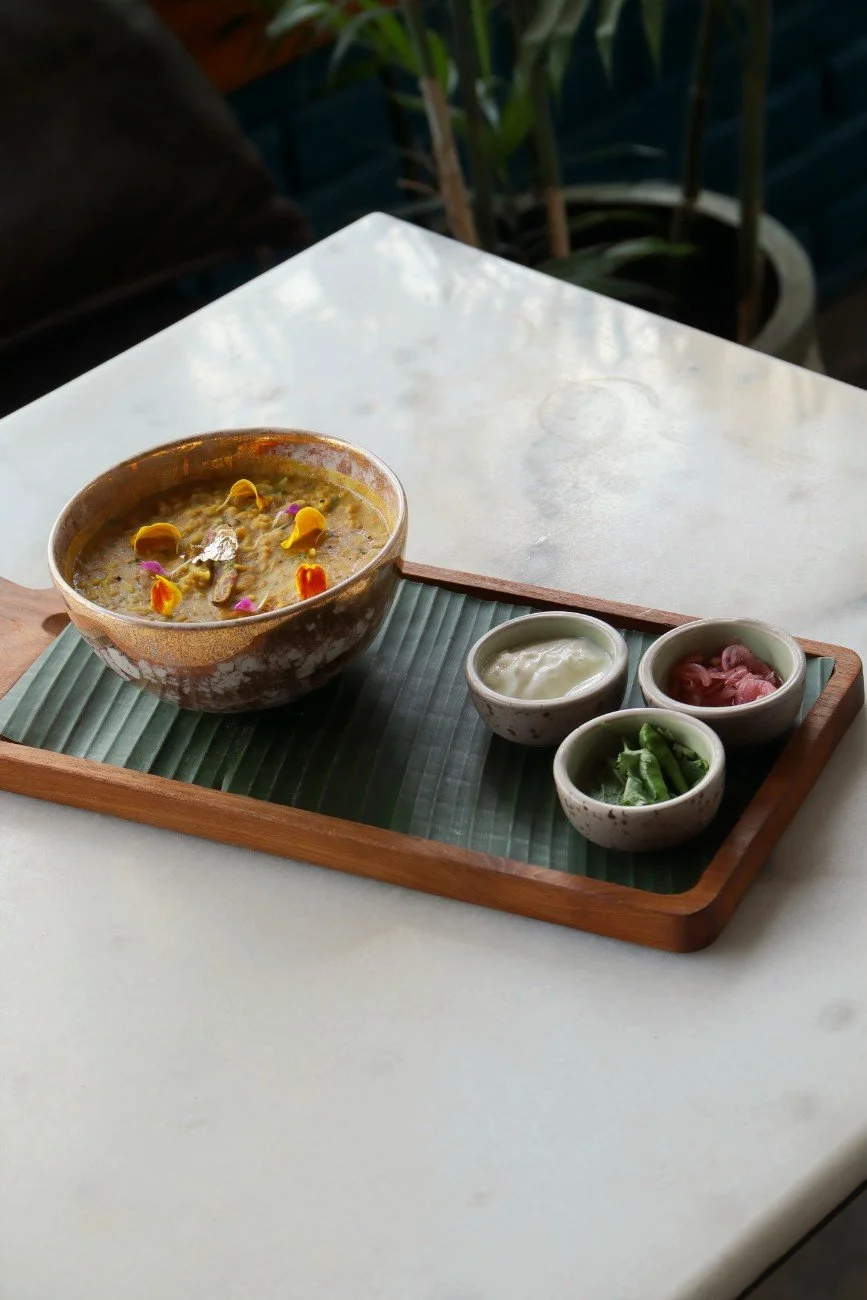
Some meals are designed to impress you immediately. They arrive sizzling, richly sauced, or covered in colourful garnishes.
Kitchari does something different.
This humble combination of rice and lentils is warm, gentle and reassuring—the sort of food people turn to when they want something simple that still feels like a proper meal. Across India and other parts of South Asia, versions of the dish have been prepared in family kitchens for generations.
But what exactly is kitchari? Is it the same as khichdi? Is it always vegetarian? And why is it so closely associated with Ayurveda?
Here is a practical introduction for anyone thinking about trying it for the first time.
What Is Kitchari?
Kitchari is a one-pot dish made primarily from rice and lentils or split pulses. Depending on the recipe, those ingredients may be cooked with vegetables, spices, ghee, oil or fresh herbs.
The finished dish can be soft and porridge-like, similar to a savoury rice stew. Other versions are drier, with grains that remain more separate. There is no single texture or recipe that defines every bowl of kitchari.
At its heart, however, it is everyday comfort food: rice and lentils cooked together until their flavours and textures become one satisfying meal.
This simplicity also makes it an approachable choice for someone exploring vegetarian Indian food in Ubud for the first time.
Are Kitchari and Khichdi the Same Thing?
Generally, yes.
Khichdi, khichri, khichuri and kitchari are different spellings and regional forms of a closely related family of rice-and-lentil dishes. India has many languages and culinary traditions, so the name, ingredients and preparation can change considerably from one region—or even one household—to another.
“Kitchari” is the spelling commonly encountered in English-language Ayurvedic and wellness settings. “Khichdi” is widely used in India, while “khichuri” is common in Bengali-speaking regions.
These names should not be treated as rigid recipe categories. One family’s khichdi may be thin and softly cooked, while another family serves a richer version with vegetables, toasted spices and a firmer texture.
That variety is part of the dish’s story.
What Does Kitchari Taste Like?
Kitchari is usually savoury, warming and relatively gentle in flavour, but it does not have to be bland.
Its taste depends on the pulses, spices and finishing ingredients used. Cumin, turmeric, ginger and coriander are common in many recipes, although they are not compulsory ingredients in every regional version.
Some cooks finish the dish with a tadka—a mixture of spices bloomed in hot oil or ghee. Heating spices in fat helps release their aromatic compounds, creating a deeper fragrance and a more rounded flavour.
If you are curious about the technique behind this, read our guide to how Indian spices build flavour.
Kitchari is not automatically spicy. In Indian cooking, “spiced” does not necessarily mean hot from chilli. A dish can contain several aromatic spices while remaining mild and comforting.
Our guide to how spicy Indian food really is explains the difference in more detail.
Why Is Kitchari Considered Comfort Food?
Comfort food is rarely only about ingredients. It is also about familiarity, memory and the feeling a meal creates.
For many South Asian families, khichdi is associated with home cooking. Its soft texture and straightforward ingredients make it a meal that can be adapted for children, older family members or anyone who simply wants something uncomplicated.
It may be served plainly, accompanied by yoghurt or pickles, or made more substantial with vegetables and toppings. The exact combination depends on personal preference and family tradition.
Travellers may understand its appeal by thinking of congee, risotto or a comforting bowl of soup. Kitchari is not the same as any of these dishes, but it offers a similar sense of warmth and ease.
It is the kind of meal that does not need to shout for attention.
Kitchari and Ayurveda
Kitchari has a strong association with Ayurveda, India’s traditional system of health and wellbeing. Within Ayurvedic traditions, simple rice-and-pulse preparations are often used during periods of simplified eating.
However, it is important to separate culinary tradition from medical promises.
One bowl of kitchari should not be presented as a cure or as something that can medically “detox” the body. Its appeal is more practical: it is warm, relatively simple and easy to customise according to someone’s preferences.
If you have a medical condition, digestive concern or prescribed diet, personalised guidance should come from a qualified health professional. A restaurant team can explain ingredients and preparation methods, but it cannot replace medical advice.
Is Kitchari Healthy?
Kitchari can form part of a balanced diet, although its exact nutritional value depends on the recipe and portion.
Rice supplies carbohydrates, while lentils and other pulses contribute plant protein, fibre and micronutrients. Grains and pulses also have complementary amino-acid profiles, which is one reason the combination appears in so many food cultures.
Vegetables can add further fibre and variety. Ghee, oil, yoghurt, fried toppings and the amount of salt used will also affect the final nutritional profile.
Instead of treating kitchari as a miracle food, it is more accurate to appreciate it as a practical way of combining a grain and a pulse in one satisfying dish.
Is Kitchari Vegetarian, Vegan or Gluten-Free?
The basic combination of rice and lentils is vegetarian and naturally does not contain gluten. Nevertheless, the finished dish is not automatically suitable for every dietary requirement.
Some recipes include ghee, butter or yoghurt, which means they are not vegan. Stocks, sauces, garnishes and kitchen cross-contact can also introduce ingredients that are not obvious from the dish’s name.
If you are vegan, lactose intolerant, allergic to a particular ingredient or require strictly gluten-free food, ask the restaurant about its current recipe and preparation process before ordering.
For travellers who are unfamiliar with the menu, our first-time guide to ordering Indian food includes more practical questions you can ask.
Kitchari at Pesona Lounge Ubud
At Pesona Lounge Ubud, the Kitchari listed on our current menu begins with basmati rice and slow-cooked lentils.
It offers a different experience from a creamy curry or a plate of tandoori food. The pleasure comes from the soft texture, the warmth of the dish and the way the rice and lentils come together.
It may appeal to travellers who have enjoyed several rich meals and are ready for something simpler, as well as diners who are curious about everyday Indian comfort food.
Recipes and accompaniments can change, so please check our current Pesona Lounge Ubud menu or speak with our team about ingredients and dietary requirements.
A Bowl That Supports Sari Hati School
Kitchari at Pesona carries an additional purpose.
Pesona allocates 30% of the profit from every Kitchari sold to Sari Hati School, an Ubud-based organisation supporting children and young adults with special needs.
It means that choosing this modest rice-and-lentil dish can contribute to something beyond the meal itself. Guests receive a comforting introduction to Indian food while helping support an organisation working within the local community.
The contribution is connected to every Kitchari sold, so diners do not need to add a separate donation at checkout.
Good food cannot solve every problem. But a menu can still make deliberate choices about where part of its value goes—and each bowl allows our guests to participate in that choice.
Who Might Enjoy Kitchari?
Kitchari could be a good choice if you:
Want to try an Indian dish that is not centred on a heavy sauce
Prefer a rice-and-lentil meal
Are looking for something warm and comforting
Want to explore food connected to everyday Indian cooking
Prefer gentler flavours over intense chilli heat
Would like your order to support a local community initiative
It is also useful for groups in which some guests want a rich curry while others prefer a simpler meal. Indian dining does not have to mean that everyone at the table orders the same style of food.
How to Order Kitchari With Confidence
Before ordering, tell the team about any allergies or dietary restrictions. Useful questions include:
Does the current recipe contain ghee or another dairy product?
Are there any toppings or accompaniments containing allergens?
Can the spice or chilli level be adjusted?
What dishes would pair well with it?
Is there a risk of cross-contact relevant to my allergy?
Clear questions help the restaurant give you reliable information based on the recipe being served that day.
If you are dining near central Ubud, Pesona is located on Jalan Goutama Selatan, a short walk from Ubud Palace and Ubud Market. You can reserve a table at Pesona Lounge Ubud before visiting.
A Curious Kitchari Fact
The influence of khichdi travelled further than many diners realise.
Kedgeree—a British dish commonly made with rice, smoked fish and eggs—is generally understood to have developed from khichri during the colonial period. The British version became a very different dish, but its name and rice-based foundation still point back to its South Asian influence.
It is an interesting example of how food changes as it travels: a humble rice-and-lentil meal inspired a dish that would later become associated with British breakfast tables.
Frequently Asked Questions
Is kitchari the same as curry?
No. Kitchari is primarily a rice-and-lentil dish cooked together in one pot. It may contain spices and vegetables, but it does not necessarily have the separate sauce associated with many dishes described as curry.
Is kitchari always made with mung dal?
No. Split mung dal is common in many versions, especially those associated with Ayurveda, but other lentils and pulses are also used in regional and household recipes.
Is kitchari spicy?
Not necessarily. It can be aromatic without being hot. The chilli level and spice mixture depend on the recipe.
Is kitchari suitable for vegans?
The basic rice-and-lentil combination can be vegan, but some recipes contain ghee, butter or dairy-based accompaniments. Always confirm the current preparation with the restaurant.
Is kitchari gluten-free?
Rice and lentils naturally do not contain gluten, but sauces, seasonings and kitchen cross-contact may matter to people with coeliac disease or serious allergies. Ask the restaurant directly before ordering.
Does every Kitchari order at Pesona support Sari Hati School?
Yes. According to Pesona’s current menu commitment, 30% of the profit from every Kitchari sold goes to Sari Hati School.
Final Thoughts
Kitchari is not about elaborate presentation or culinary drama. Its strength lies in the opposite: rice, lentils and thoughtful seasoning brought together in a bowl that feels calm, nourishing and familiar.
It also offers a window into a side of Indian cooking that restaurant guests do not always encounter. Indian food is not only rich curries, fiery chillies and smoky tandoori dishes. It is also everyday food—the meals connected to home, family and comfort.
At Pesona Lounge Ubud, that comfort reaches a little further. Every bowl helps support Sari Hati School, allowing a simple meal to carry a meaningful connection to the community around it.