What Makes Indian Food So Flavorful?
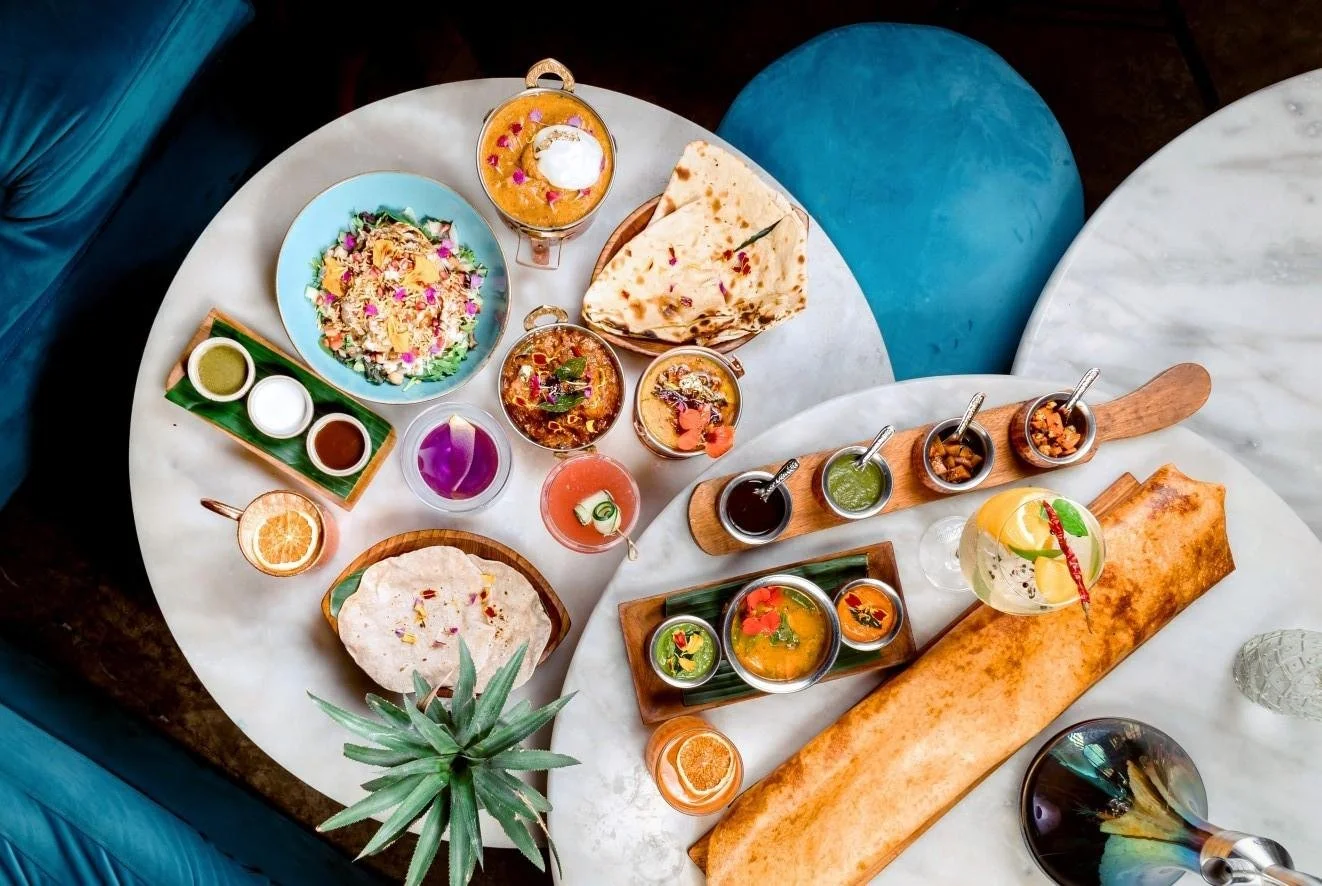
Few cuisines leave such a lasting first impression as Indian cuisine. Before the first bite, the aroma of toasted spices, simmering curries, freshly baked naan, and smoky tandoor dishes begins to tell a story. It's warm, inviting, and unmistakably rich, offering a glimpse into one of the world's most celebrated culinary traditions.
What makes Indian food so memorable isn't simply the number of spices used or the intensity of its flavours. Its true character comes from balance. Every ingredient has a purpose, every cooking technique adds another layer of depth, and every recipe is carefully refined to create harmony rather than overpower the palate.
That's why two Indian dishes can taste completely different, even when they share many of the same ingredients. The secret lies in how those ingredients are selected, prepared, and brought together through centuries of culinary knowledge.
So, what exactly makes Indian food so flavorful?
The answer goes far beyond spices alone. Fresh ingredients, traditional cooking methods, regional diversity, and generations of expertise all contribute to the remarkable depth that has made Indian cuisine beloved across cultures and continents.
It's About Balance, Not Just Spice
One of the most common misconceptions about Indian cuisine is that every dish is fiery and intensely spicy. In reality, authentic Indian cooking is built on balance, where flavour always takes priority over heat.
Rather than using spices simply to make food hotter, Indian chefs combine them to create layers of aroma, richness, sweetness, earthiness, freshness, and gentle warmth. Every ingredient has a role, and none is intended to dominate the others.
This philosophy explains why many of India's most iconic dishes, including Butter Chicken, Dal Makhani, and Paneer Butter Masala, are celebrated for their smooth, comforting flavours instead of overwhelming spice. They're rich without feeling heavy, aromatic without becoming overpowering, and complex without sacrificing balance.
Great Indian food isn't defined by how spicy it is. It's defined by how beautifully every flavour works together.
The Art of Blending Spices
Spices are often described as the heart of Indian cuisine, but it's their harmony, rather than their quantity, that makes them extraordinary.
A single recipe may combine cumin, coriander, turmeric, cardamom, cinnamon, cloves, black pepper, and garam masala, with each spice contributing something entirely different. Some provide earthy warmth, others introduce gentle sweetness, citrus brightness, floral fragrance, or subtle bitterness. Together, they create flavours that are layered, balanced, and remarkably expressive.
What makes Indian cooking unique is the understanding that spices are never used in isolation. Their proportions, the order in which they're added, and even the stage of cooking at which they're introduced can completely transform the final dish.
This careful craftsmanship has been refined over generations, allowing Indian cuisine to achieve extraordinary depth without relying on excessive heat or overwhelming seasoning.
Fresh Ingredients Bring Every Dish to Life
Even the finest spice blend can only reach its full potential when paired with fresh, high-quality ingredients.
Garlic, ginger, onions, tomatoes, yoghurt, butter, cream, coriander, and mint all play essential roles in Indian cooking. Some build richness, others add brightness or natural sweetness, while fresh herbs introduce a clean finish that keeps every bite balanced.
Butter Chicken beautifully demonstrates this approach. Sweet ripe tomatoes create the foundation of its velvety curry, while butter and cream contribute a smooth, luxurious texture. Fresh garlic and ginger deepen the aroma, allowing the carefully blended spices to unfold gradually instead of competing for attention.
The result is a dish that feels rich yet balanced, comforting yet refined. It's this partnership between fresh ingredients and expertly layered spices that gives Indian cuisine its unmistakable character.
Every Region Has Its Own Culinary Identity
One of the greatest strengths of Indian cuisine is its extraordinary diversity. There isn't a single style of Indian cooking, but a collection of regional traditions shaped by geography, climate, local ingredients, and centuries of cultural exchange.
In the north, rich curries, tandoor-cooked meats, and freshly baked breads such as naan and roti define the dining experience. Dishes like Butter Chicken, Chicken Tikka, and Dal Makhani are known for their creamy sauces, aromatic spice blends, and deeply satisfying flavours.
Travel further south, and the character of the cuisine changes dramatically. Coconut, tamarind, curry leaves, mustard seeds, and rice become everyday staples, creating dishes that are lighter, brighter, and tangier while remaining wonderfully complex.
This remarkable regional diversity is one of the reasons Indian cuisine never feels repetitive. Every destination introduces new ingredients, new techniques, and new flavour combinations, inviting diners to discover something different with every meal.
Traditional Cooking Techniques Create Lasting Flavour
Outstanding Indian food isn't created by great ingredients alone. It's the cooking techniques behind every recipe that transform those ingredients into dishes with remarkable depth and character.
Traditional Indian cooking is built layer by layer. Aromatics such as onions, garlic, and ginger are slowly cooked to form a rich foundation before spices are introduced at carefully chosen moments. Sauces are then gently simmered, allowing every ingredient to blend naturally into a smooth, balanced curry where no single flavour overwhelms another.
This patient approach is one of the defining characteristics of Indian cuisine. Rather than rushing the cooking process, each stage is given time to develop aroma, richness, and complexity, creating flavours that continue to evolve with every bite.
It's a reminder that great Indian food isn't simply seasoned well. It's thoughtfully crafted through technique, patience, and generations of culinary knowledge.
Every Spice Has a Role to Play
One of the most fascinating aspects of Indian cuisine is that every spice is chosen with intention.
Instead of relying on a single dominant flavour, Indian recipes combine spices that complement one another in subtle and meaningful ways. Cumin brings earthy warmth, coriander contributes gentle citrus notes, turmeric adds colour and delicate bitterness, while cardamom introduces a light floral fragrance. Cinnamon, cloves, black pepper, and garam masala each add another dimension, creating a flavour profile that feels both rich and balanced.
What makes these combinations exceptional isn't simply the choice of spices, but the understanding of how they interact throughout the cooking process. Their proportions, timing, and preparation all influence the final result, allowing familiar ingredients to produce remarkably different dishes.
This careful craftsmanship is one of the reasons authentic Indian food feels layered, elegant, and endlessly satisfying.
Fresh Herbs Bring Balance and Brightness
After rich curries have slowly developed their depth and grilled dishes have absorbed their smoky character, fresh herbs provide the finishing touch that brings the entire meal into balance.
Fresh coriander introduces a bright, citrus-like aroma that lifts creamy sauces, while mint adds a cool freshness that pairs beautifully with grilled meats, rice dishes, and yoghurt-based accompaniments. These simple ingredients create contrast, preventing rich flavours from feeling heavy while adding another layer of aroma to every bite.
Although they often appear as a garnish, fresh herbs are far more than decoration. They complete the flavour profile, adding freshness that allows every other ingredient to shine.
Sometimes, it's the smallest details that leave the strongest impression.
Why No Two Indian Dishes Taste the Same
One of the greatest pleasures of exploring Indian cuisine is discovering how familiar ingredients can create completely different dining experiences.
Take Butter Chicken and Chicken Biryani as an example. Both may include garlic, ginger, coriander, cumin, and garam masala, yet their character couldn't be more different. Butter Chicken is smooth, creamy, and comforting, while Chicken Biryani is fragrant, layered, and built around delicately spiced rice.
The difference comes from far more than the ingredients themselves. Cooking techniques, spice proportions, textures, and preparation methods all shape the final dish, creating unique combinations of aroma, richness, and flavour.
This remarkable versatility is one of the defining strengths of Indian cuisine. The same pantry of ingredients can produce countless distinctive dishes, each with its own personality, story, and unforgettable taste.
Why Indian Cuisine Continues to Captivate the World
Few culinary traditions have earned global admiration quite like Indian cuisine, and its popularity continues to grow for good reason.
People return to Indian food not simply because it's flavorful, but because every meal offers balance, craftsmanship, and a sense of discovery. A single dining experience can introduce creamy curries, smoky grilled meats, fragrant rice, freshly baked breads, and vibrant herbs, each contributing something unique to the table.
Behind every dish lies centuries of culinary tradition, where recipes have been refined through experience rather than trends. That commitment to balance, quality, and technique allows Indian cuisine to remain both timeless and universally appealing.
Perhaps that's the greatest secret behind its enduring popularity. Indian food isn't remembered because it's spicy. It's remembered because every ingredient, every technique, and every flavour comes together in remarkable harmony.
More Than Just a Meal
What makes Indian cuisine truly special isn't only the richness of its flavours, but the traditions behind every recipe.
Across generations, Indian families have passed down cooking techniques that celebrate patience, balance, and respect for ingredients. While recipes may evolve over time, the philosophy remains remarkably consistent. Fresh ingredients are carefully prepared, spices are blended with intention, and every stage of cooking is designed to create harmony rather than allowing a single flavour to dominate.
This deep connection between tradition and technique is one of the reasons Indian cuisine has remained timeless. Instead of chasing food trends, it continues to honour recipes that have brought families and communities together for centuries.
In many ways, every meal tells a story. One that's shaped not only by ingredients, but by culture, heritage, and the people who continue to preserve these culinary traditions.
The Best Way to Experience Indian Cuisine
The beauty of Indian cuisine is best discovered through variety.
Rather than ordering a single dish, many diners choose a combination of curries, freshly baked breads, fragrant rice, and tandoor-grilled specialties. Each dish offers a different texture, aroma, and flavour, creating a dining experience that's far more rewarding than enjoying one recipe alone.
A creamy Butter Chicken paired with warm Garlic Naan delivers rich, comforting flavours, while Chicken Biryani introduces fragrant rice layered with aromatic spices. Smoky Tandoori Chicken adds another dimension, bringing char-grilled depth that beautifully contrasts with creamy curries. Together, these dishes showcase the balance and diversity that define Indian cuisine.
This shared style of dining also reflects one of Indian food's greatest strengths. Every dish complements another, allowing the table to become a journey through different flavours rather than a single course.
For first-time diners, it's often the most memorable way to discover why Indian cuisine continues to be loved around the world.

Experience Authentic North Indian Cuisine at Pesona Lounge Ubud
If you're looking to experience authentic North Indian cuisine in Ubud, Pesona Lounge Ubud offers a menu inspired by the same principles explored throughout this guide: balanced flavours, carefully selected ingredients, and traditional cooking techniques.
From creamy Butter Chicken and aromatic Chicken Biryani to freshly baked naan and smoky tandoori specialties, every dish is prepared to highlight the richness and complexity that have made Indian cuisine one of the world's most admired culinary traditions.
Guests searching for something distinctive can also discover the restaurant's signature Burrata Butter Chicken, a contemporary interpretation of the classic favourite. Finished with creamy burrata cheese, it adds a delicate richness that complements the velvety tomato-based curry while respecting the character of the original recipe.
Whether you're exploring Indian food for the very first time or returning to familiar favourites, every visit offers an opportunity to experience the remarkable craftsmanship, balance, and warmth that continue to define authentic Indian cuisine.
Frequently Asked Questions
Why is Indian food so flavorful?
Indian food is flavorful because it combines carefully balanced spices, fresh ingredients, traditional cooking techniques, and recipes refined over generations. Rather than focusing on heat alone, Indian cuisine creates depth through harmony, aroma, and layered flavours.
Is Indian food always spicy?
No. While some regional dishes are known for their heat, many popular Indian dishes, including Butter Chicken, Dal Makhani, and Paneer Butter Masala, are mild, creamy, and appreciated for their balanced flavours.
What ingredients make Indian food so flavorful?
Indian cuisine commonly features garlic, ginger, onions, tomatoes, yoghurt, butter, fresh herbs, and aromatic spices such as cumin, coriander, turmeric, cardamom, cinnamon, cloves, and garam masala. Together, these ingredients create the layered flavours that define Indian cooking.
Why do Indian curries have so much depth of flavour?
Indian curries develop their character through a layered cooking process. Aromatics are slowly cooked, spices are added at specific stages, and sauces are gently simmered, allowing every ingredient to blend into a rich, balanced curry.
What's the best way to experience Indian cuisine for the first time?
A great introduction is to share several dishes instead of ordering just one. Pairing favourites like Butter Chicken, Garlic Naan, Chicken Biryani, and Tandoori Chicken allows you to experience the variety of flavours, textures, and cooking techniques that make Indian cuisine so distinctive.