North vs South Indian Cuisine: What’s the Difference? A Guide for Food Lovers in Ubud
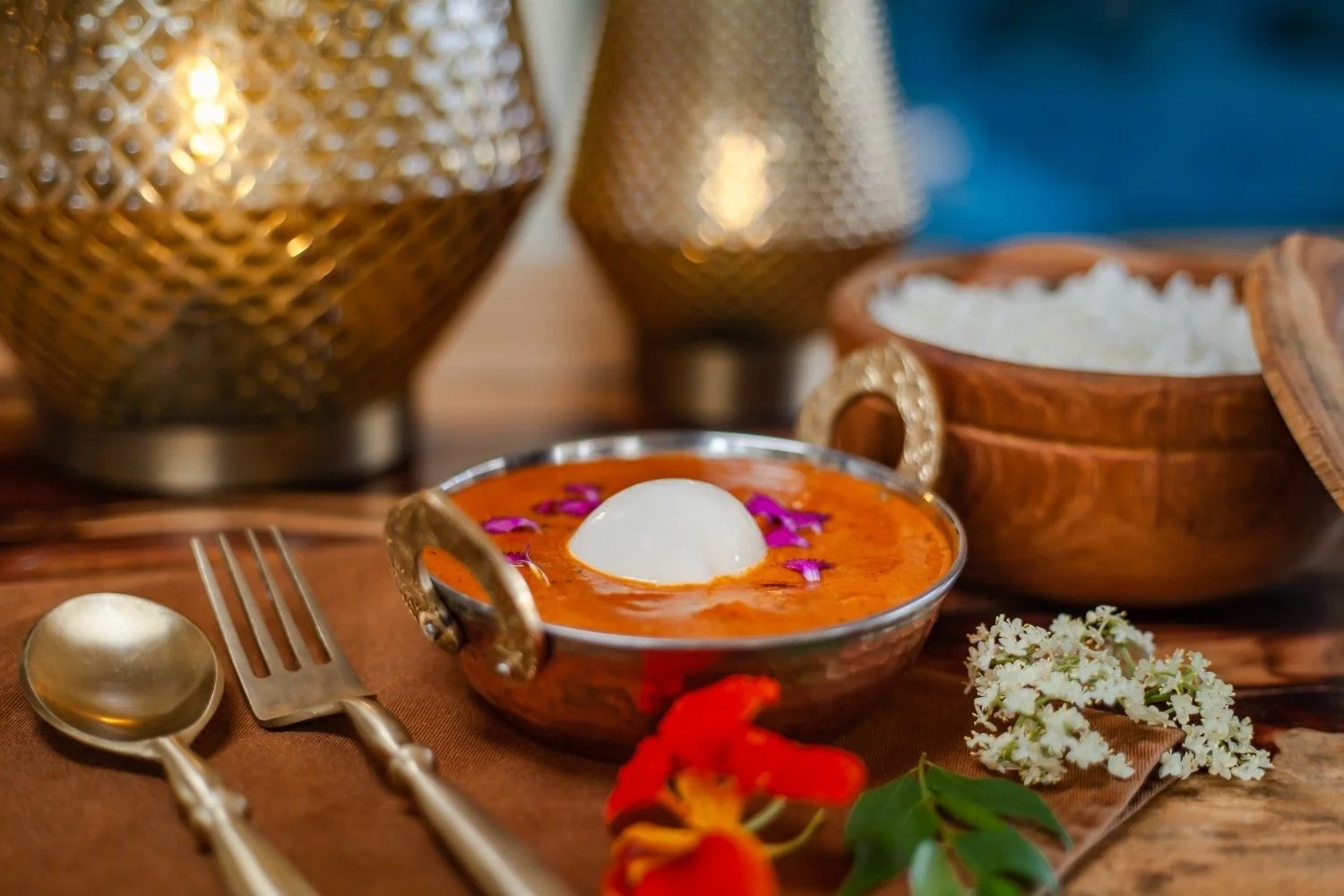
Indian cuisine is often introduced through a few familiar favourites: creamy curries, naan, tandoori dishes, and aromatic spices. But once you look beyond those well-known dishes, the variety becomes much more interesting.
One of the clearest ways to see that diversity is by comparing North Indian and South Indian cuisine. Although they share many ingredients and culinary traditions, the two regions have developed very different approaches to staple foods, cooking techniques, textures, and flavours.
For travellers exploring Indian cuisine in Ubud, this difference can make choosing what to order more exciting. A meal might begin with a rich curry and freshly baked naan, while another visit could introduce you to the crisp texture of dosa, fermented batters, and South Indian accompaniments.
So what actually makes North and South Indian cuisine different?
North and South Indian Cuisine: Two Different Starting Points
North and South Indian cuisine are useful broad categories, but they shouldn't be treated as two completely separate cuisines.
India has an enormous range of regional food traditions, and there is plenty of variation within both the north and south. Still, some characteristics appear often enough to give diners a useful starting point.
North Indian Cuisine
North Indian cooking is often associated with wheat-based breads, rich curries, tandoori cooking, and warming spices.
Ingredients such as tomatoes, yoghurt, cream, butter, cumin, cardamom, and garam masala appear in many familiar dishes. Cooking in a tandoor also plays an important role in several North Indian preparations, creating the charred edges and smoky flavours associated with tandoori food.
Some familiar examples include:
Butter Chicken
Tandoori Chicken
Chicken Tikka
Paneer dishes
Naan
Roti and other Indian breads
For someone trying Indian cuisine for the first time, these dishes can feel familiar because they are among the styles of Indian food that have become popular internationally.
South Indian Cuisine
South Indian cooking often places greater emphasis on rice, lentils, fermentation, and a variety of accompaniments.
Rather than relying mainly on rich curry sauces, many South Indian dishes explore different textures and combinations of flavour. Dosa, idli, sambar, and chutneys are some of the best-known examples.
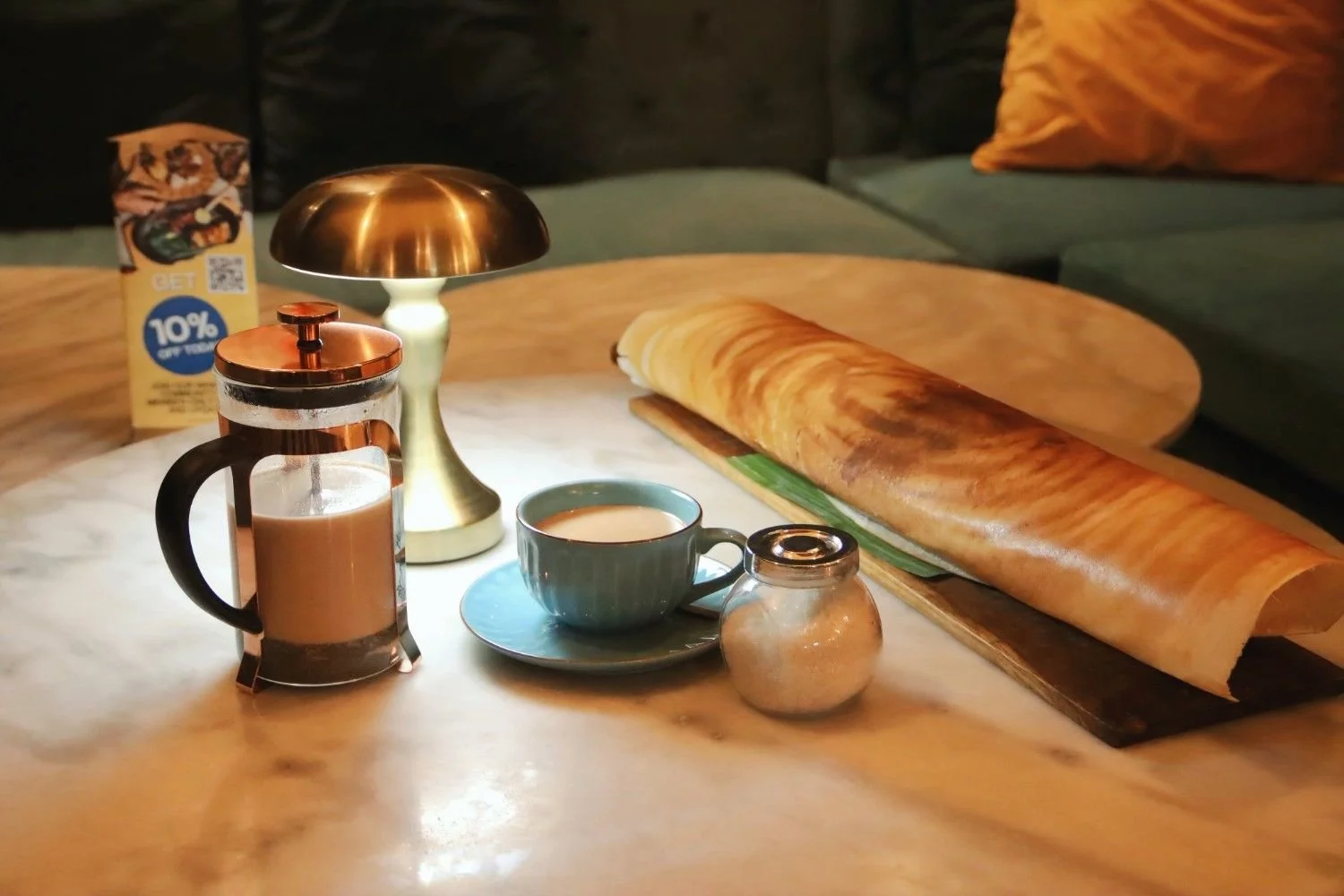
Dosa is particularly interesting because its character comes largely from the preparation of its fermented rice-and-urad-dal batter and the way it is cooked on a hot surface.
This creates a very different experience from eating a rich curry with naan.
Why the Difference Matters When Dining in Ubud
For travellers, the North-versus-South distinction can be useful when deciding what kind of meal they actually want.
If you're looking for something rich, creamy, grilled, and bread-based, North Indian dishes may be the natural place to start.
If you're curious about fermented, crisp, rice-based dishes with chutneys and other accompaniments, South Indian cuisine offers a very different direction.
And you don't have to choose only one.
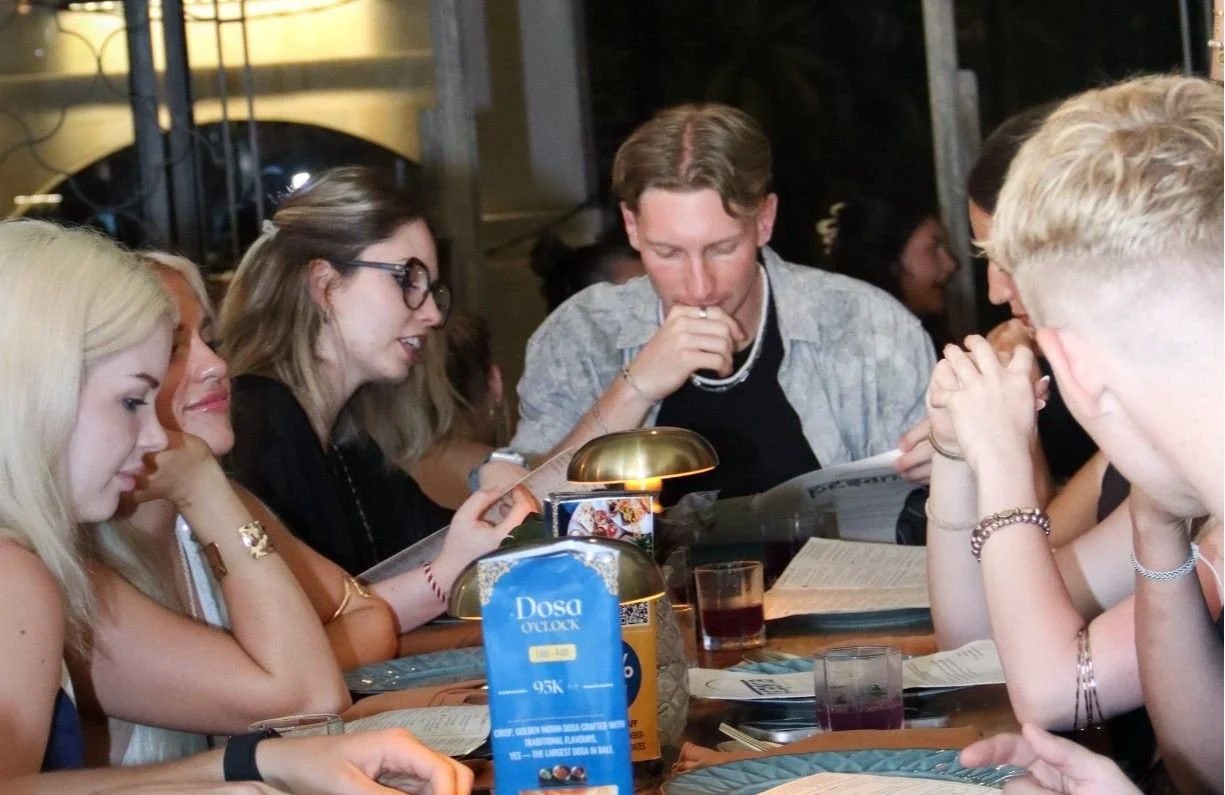
One of the enjoyable things about exploring Indian food in Ubud is discovering these different traditions side by side. A familiar curry can introduce you to one aspect of Indian cooking, while a dish like dosa can completely change your idea of what Indian food can be.
That contrast is what makes the North-versus-South comparison worth exploring in the first place.
South Indian Cuisine: Dosa, Fermentation and a Different Way of Eating
If North Indian cuisine is often built around curries, breads, and tandoor cooking, South Indian cuisine takes a different route.
Rice and lentils become more prominent, while fermentation, steaming, griddling, and fresh accompaniments play an important role in many traditional dishes. The result is a style of cooking where texture can be just as important as flavour.
For travellers discovering Indian food in Ubud, South Indian dishes can be a particularly interesting introduction because they may feel very different from the curries and naan that many diners already associate with Indian cuisine.
Dosa: Crisp, Fermented and Full of Character
Dosa is one of the most recognisable dishes from South India.
The batter is traditionally prepared from rice and urad dal, then fermented before being spread thinly across a hot cooking surface. When cooked well, the dosa develops a golden, crisp exterior while remaining delicate enough to break apart easily.
The ingredients are relatively simple, but the preparation requires patience.
Fermentation gives the batter its distinctive character, while the cooking temperature and consistency determine how thin and crisp the dosa becomes.
For first-time diners, dosa can be an easy way to discover that Indian cuisine isn't always about rich sauces.
Idli: Soft Instead of Crisp
If dosa demonstrates what fermentation can do on a hot surface, idli shows another side of the same culinary tradition.
Idli is made from a fermented rice-and-lentil batter that is steamed rather than spread and cooked on a griddle. The result is soft, light, and very different in texture from a crisp dosa.
It is commonly served with sambar and chutneys, turning a relatively simple steamed dish into a meal with several contrasting flavours.
Sambar and Chutneys Bring the Meal Together
South Indian dishes are often accompanied by preparations that add another layer to the meal.
Sambar, a lentil-based dish cooked with vegetables and spices, is commonly paired with dosa and idli. Chutneys can add coconut, herbs, chilli, or other flavours depending on the preparation.
These accompaniments aren't simply side dishes. They help create contrast between the main dish and the flavours around it.
A crisp dosa with a warm, savoury sambar and a fresh chutney can therefore feel like a very different dining experience from dipping naan into a creamy North Indian curry.
North vs South: What Will You Notice on the Table?
The difference becomes easiest to understand when you stop thinking about geography and start looking at what you're actually eating.
North Indian dishes are often built around breads, tandoori cooking, and rich curry preparations.
South Indian dishes more commonly showcase rice, lentils, fermented preparations, and a variety of accompaniments.
But these are broad tendencies rather than strict rules. India has hundreds of regional culinary traditions, and there is plenty of overlap and variation.
The point isn't to decide which style is better.
It's to understand why butter chicken with naan and dosa with sambar and chutney can both be Indian food while offering completely different experiences.
Which Style Should You Try First?
If you're new to Indian cuisine, start with what sounds familiar.
Rich curries, tandoori dishes, and naan can be a comfortable introduction if you enjoy creamy sauces, grilled flavours, and freshly baked bread.
If you're more curious about something different, dosa or idli can introduce you to the role of fermentation, rice, lentils, and contrasting accompaniments in South Indian cooking.
And if you're dining with friends or family, trying dishes from both styles can be even more interesting.
After all, the best way to understand the difference between North and South Indian cuisine isn't simply to read about it.
It's to taste the difference.
Which Indian Cuisine Should You Try in Ubud?
Choosing between North and South Indian cuisine doesn't have to be complicated. The best place to start is with the flavours, textures, and dishes you already enjoy.
If you like rich sauces, grilled meats, freshly baked breads, and creamy curries, North Indian cuisine may feel immediately familiar. If you enjoy crisp textures, fermented foods, rice-based dishes, and a variety of chutneys and accompaniments, South Indian cuisine offers a very different experience.
But there is no need to choose only one.
If You Enjoy Rich Curries and Tandoori Dishes
North Indian dishes can be a natural starting point for first-time diners.
Butter Chicken, Tandoori Chicken, Chicken Tikka, paneer dishes, naan, and roti offer a combination of rich sauces, smoky grilled flavours, and aromatic spices.
These dishes also work well for sharing, making them an easy choice when exploring an Indian restaurant in Ubud with friends or family.
If You Want to Try Something Different
South Indian dishes can take you in a completely different direction.
A crisp dosa with sambar and chutney introduces flavours and textures that are quite different from a curry-and-naan meal. Idli offers another experience, with a soft texture and fermented character.
For diners who are curious about how much variety exists within Indian cuisine, trying a South Indian dish can be a good way to move beyond the dishes they already know.
Can You Try Both Styles in One Meal?
Depending on the restaurant's menu, yes.
For a group, ordering different dishes to share can be one of the easiest ways to explore Indian cuisine. One person might prefer a creamy curry and naan, while another may want dosa, while vegetarian guests can choose dishes that suit their preferences.
This makes the North-versus-South comparison less about choosing a winner and more about discovering different sides of the same culinary tradition.
Exploring Indian Cuisine at Pesona Lounge Ubud
At Pesona Lounge Ubud, guests can explore different sides of Indian cooking in one dining experience.
North Indian favourites such as curries, tandoori preparations, and Indian breads offer familiar flavours for diners discovering Indian cuisine for the first time. Dosa provides an opportunity to experience the South Indian tradition of fermented rice-and-lentil batter and crisp cooking.
The menu also includes vegetarian and non-vegetarian choices, while chilli levels can be adjusted from mild to spicy, giving groups some flexibility when preferences differ.
For travellers exploring Indian food in Ubud, this variety makes it possible to start with something familiar or use the meal as an opportunity to try something completely new.
Indian Cuisine Is More Than North vs South
North and South Indian cuisine are useful ways to begin understanding India's culinary diversity, but they are only a starting point.
Within each region are countless local dishes, ingredients, techniques, and traditions. What they share is an emphasis on making simple ingredients distinctive through spices, fermentation, grilling, steaming, cooking time, and careful preparation.
So whether you begin with a bowl of rich curry and naan or a crisp dosa with chutney, there is no single “correct” way to explore Indian cuisine.
The best approach is simple:
Start with what you know. Then try something you don't.
Frequently Asked Questions
What is the main difference between North and South Indian cuisine?
North Indian cuisine is commonly associated with breads, tandoori cooking, and rich curry preparations, while South Indian cuisine is often associated with rice, lentils, fermentation, dosa, idli, and a variety of accompaniments.
These are broad characteristics, as both regions contain many different culinary traditions.
Is North Indian food spicier than South Indian food?
Not necessarily. Spice levels vary between individual dishes and regions.
The main differences are more closely related to ingredients, cooking methods, staple foods, and flavour profiles than simply the amount of chilli used.
Is dosa North Indian or South Indian?
Dosa is traditionally associated with South Indian cuisine. It is made from a fermented rice-and-urad-dal batter and cooked thinly on a hot surface.
What should I try first: North or South Indian food?
If you enjoy rich curries, naan, and grilled dishes, North Indian food may be a comfortable starting point.
If you enjoy crisp textures, fermented foods, rice-based dishes, and tangy accompaniments, South Indian dishes such as dosa may be more interesting.
Can I order North and South Indian dishes together?
It depends on the restaurant's menu, but where both styles are available, ordering different dishes to share can be a fun way to experience the contrast between them.
Where can I try North and South Indian food in Ubud?
Several Indian restaurants in Ubud offer dishes representing different Indian culinary traditions. Pesona Lounge Ubud offers both North and South Indian-style dishes, allowing diners to explore different flavours and techniques during the same visit.