Honoring Nature in Bali: Gratitude, Offerings, and the Spirit of Nyepi
In Bali, nature is not simply part of the landscape. It is closely connected to everyday life, community, and spiritual practice.
This relationship can be seen in small details throughout the island: flowers carefully arranged in offerings, incense burning outside homes and temples, rituals taking place alongside daily routines, and ceremonies that bring communities together throughout the year.
For visitors, these practices can sometimes appear simple or familiar after seeing them repeatedly. Yet behind them is a deeper understanding of gratitude, balance, and the relationship between people, nature, and the spiritual world.
Rather than separating spirituality from everyday life, Balinese Hindu traditions often allow the two to exist alongside one another. A morning ritual, an offering placed outside a home, or a moment of prayer can become part of an ordinary day.
One of the most visible expressions of this relationship is the practice of making daily offerings.
The Meaning of Daily Offerings in Balinese Hindu Tradition
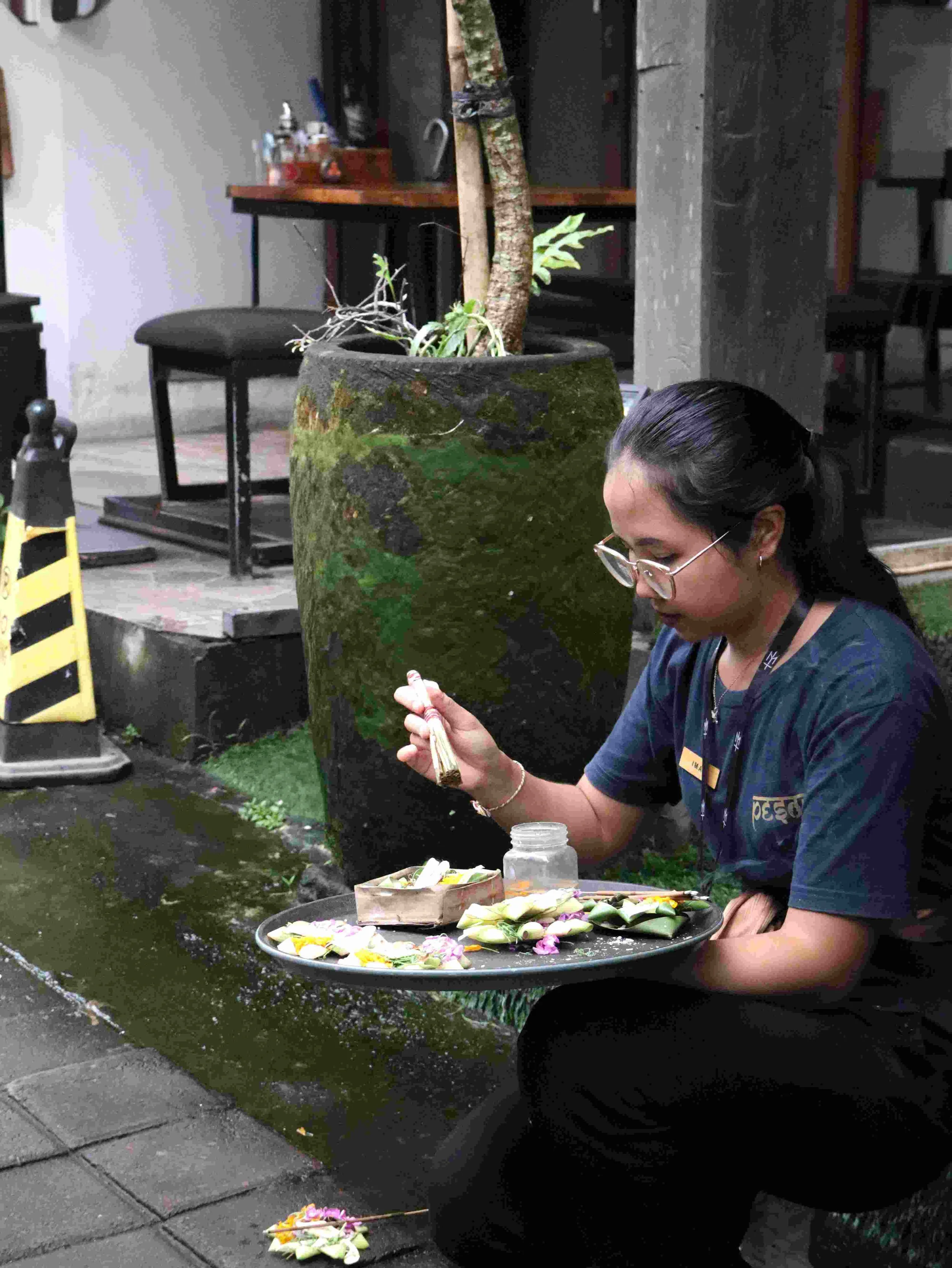
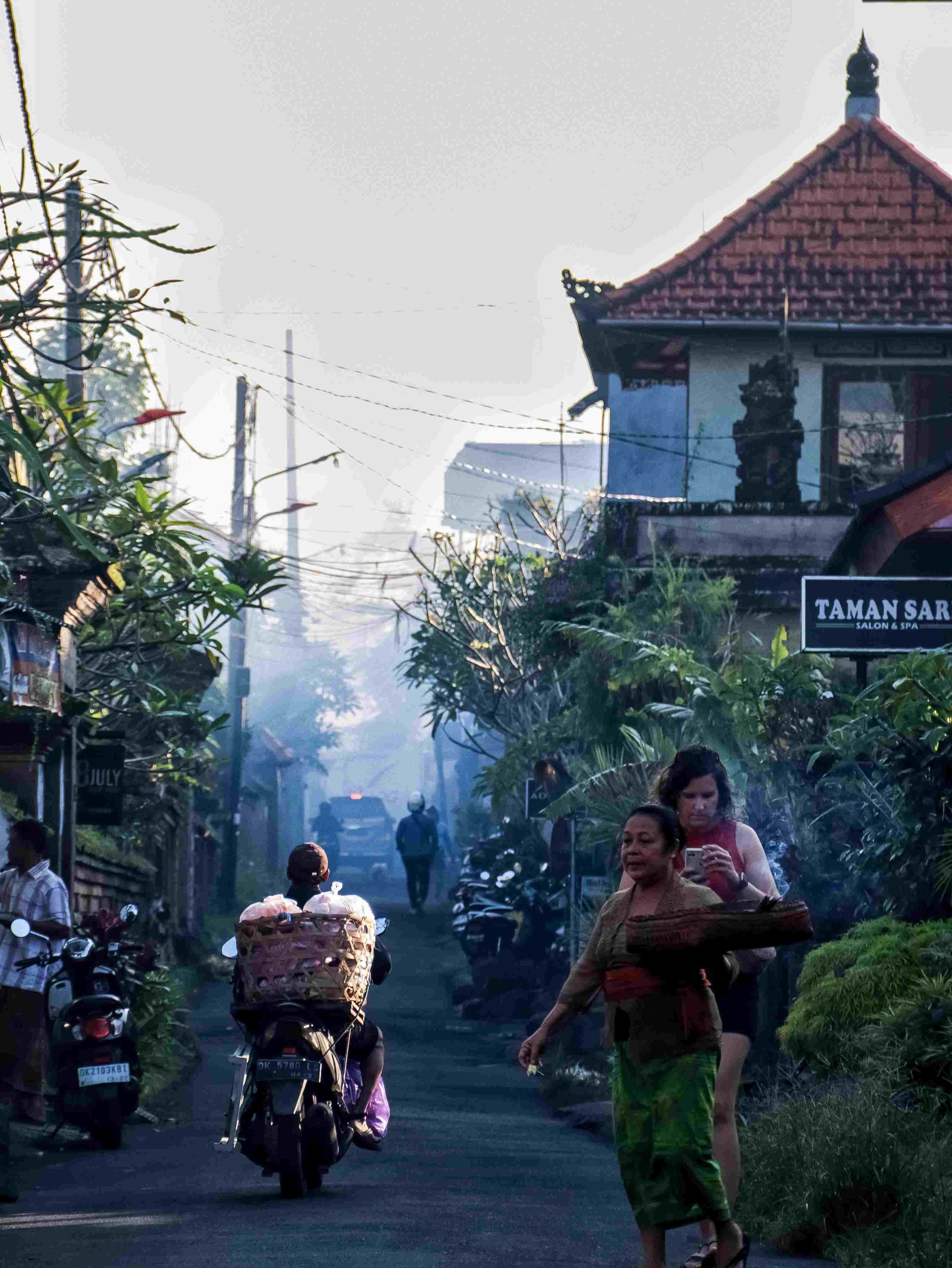
Walk through a Balinese neighbourhood in the morning and you may notice small offerings placed outside homes, temples, shops, and other spaces.
These offerings can contain flowers, incense, and small portions of food, carefully arranged in simple woven containers. One common form is canang sari, a small daily offering that can be seen throughout Bali.
For visitors unfamiliar with Balinese Hindu practices, it may be easy to see these offerings simply as beautiful arrangements. Their significance, however, goes beyond their appearance.
They are part of daily religious practice and can express devotion, gratitude, and an intention to maintain harmony.
Gratitude in Everyday Life
The practice of making offerings brings spirituality into the rhythm of everyday life.
Rather than being reserved only for major ceremonies, daily offerings can accompany ordinary activities. They may be prepared in the morning before people begin work, open their businesses, or continue with the rest of the day.
Flowers, incense, and other elements are arranged with care, creating a small moment of attention within an otherwise busy routine.
For visitors to Bali, this offers an interesting perspective on how gratitude can be expressed through repeated, everyday actions.
The gesture may be small, but its presence is significant.
Living in Harmony with Nature
The relationship between people and nature is also an important part of Balinese philosophy.
One concept often associated with this understanding is Tri Hita Karana, which describes harmony between humans and the divine, between people, and between humans and their natural environment.
This perspective means that appreciation for nature is not limited to enjoying Bali's rice terraces, forests, rivers, beaches, and mountains.
It also involves recognising the role that the natural world plays in sustaining everyday life.
Food comes from the land. Water supports communities and agriculture. Plants provide materials, nourishment, and offerings. The environment is therefore connected to both practical life and spiritual understanding.
Gratitude Beyond the Landscape
This is one reason Bali can feel different from a destination where nature is simply something to look at.
The relationship is expressed through action.
People cultivate the land, care for sacred spaces, prepare offerings, participate in ceremonies, and maintain traditions that connect daily life with the environment around them.
For travellers, noticing these details can add another layer to experiencing Bali. The island's culture is not found only inside temples or during large ceremonies. It can also be observed in the small rituals that happen every day.
And this relationship between daily life, nature, gratitude, and spirituality becomes particularly meaningful during one of Bali's most distinctive days: Nyepi.
The Spiritual Reflection of Nyepi in Bali
The connection between people, nature, and spirituality becomes especially visible during Nyepi, the Balinese Hindu Day of Silence and the beginning of the Saka New Year.
Unlike New Year celebrations in many parts of the world, Nyepi is not marked by parties, fireworks, or crowded streets. Instead, Bali enters a 24-hour period of silence, stillness, and reflection.
For Balinese Hindus, this pause creates an opportunity to turn inward, reflect on the year that has passed, and seek greater balance for the year ahead.
A Day of Silence and Reflection
The observance of Nyepi is guided by Catur Brata Penyepian, four principles traditionally followed during the day.
These include Amati Geni, refraining from fire and light; Amati Karya, refraining from work; Amati Lelungan, refraining from travel; and Amati Lelangunan, refraining from entertainment and recreation.
The effect can be remarkable.
Roads become quiet, businesses close, and ordinary activity across the island comes to a temporary halt. Even Bali's airport closes during Nyepi, making the day one of the most distinctive cultural observances in the world.
But the silence is not simply about making the island quiet.
It creates space for introspection, spiritual reflection, and renewal.
What Happens Before Nyepi?
The stillness of Nyepi follows several important ceremonies and communal activities.
One of them is Melasti, a purification ceremony traditionally held before Nyepi. Communities may bring sacred objects from temples to the sea, lakes, or other sources of water as part of the purification process.
The day before Nyepi is also associated with Pengrupukan, when communities hold processions featuring the famous Ogoh-ogoh figures.
The contrast is striking.
Before Nyepi, Bali can become vibrant with colour, music, processions, and community activity. Then, as Nyepi begins, that energy gives way to almost complete stillness.
Why Does Nyepi Begin with Silence?
The transition from activity to silence is central to the meaning of Nyepi.
After the ceremonies and preparations, the island enters a period where ordinary movement, work, light, and entertainment are intentionally reduced.
For Balinese Hindus, this provides time to reflect on personal behaviour, spiritual life, and the year ahead.
The pause also creates a temporary break from the constant activity of everyday life. Instead of moving outward, people are encouraged to turn their attention inward.
For visitors, this can offer a different perspective on Bali.
The island is often experienced through its beaches, temples, restaurants, ceremonies, landscapes, and lively streets. During Nyepi, however, much of that disappears for a day.
What remains is the importance of silence itself.
Nyepi and the Idea of Renewal
Nyepi marks the beginning of the Saka New Year, making renewal an important part of its significance.
The day provides an opportunity to leave behind the previous year's distractions and reflect before beginning a new cycle.
This connects closely with the broader ideas discussed earlier in this article: balance, gratitude, restraint, and harmony.
The daily offerings seen throughout Bali express gratitude through small, repeated actions. Nyepi takes that idea further by creating an entire day dedicated to stopping, reflecting, and reconnecting.
The island does not simply become quiet.
The silence becomes part of the spiritual practice.
Experiencing the Spirit of Nyepi in Ubud
The meaning of Nyepi extends beyond the 24 hours of silence. It offers a chance to slow down, reflect, and consider the relationship between everyday life, community, nature, and spirituality.
In Ubud, these ideas can feel especially close to daily life. Temples, rice fields, traditional ceremonies, local communities, and modern hospitality exist alongside one another, creating a cultural landscape where tradition remains part of the rhythm of everyday life.
For travellers, being in Bali around Nyepi is therefore not simply about witnessing an unusually quiet island. It can also be an opportunity to understand why balance, gratitude, and reflection remain important within Balinese Hindu life.
From Silence to Appreciation
Nyepi creates a temporary pause from many of the activities that normally fill the day.
Bali is usually associated with movement and activity: people travelling between places, markets opening, restaurants welcoming guests, ceremonies taking place, and streets filled with everyday life. During Nyepi, much of this comes to a stop.
That contrast can make ordinary things feel different.
A quiet morning. Time with family. A simple meal. The opportunity to rest without constantly moving from one activity to another.
In this sense, Nyepi offers a reminder that experiencing Bali does not always mean seeing or doing more. Sometimes, understanding a place also means taking a moment to slow down and observe.
Food, Community, and Gratitude
Food has its own place within the rhythm of community life.
People gather around meals with family and friends, share dishes during celebrations, and make time for conversation around the table. These moments may seem ordinary, but they create opportunities to appreciate the people and experiences that make everyday life meaningful.
This connects naturally with the broader theme of gratitude.
A meal does not need to be part of a religious ceremony to become a moment of appreciation. Sitting together, enjoying food prepared with care, and spending time with people around you can be a simple way of recognising the abundance of everyday life.
Discovering Ubud Through Food
For travellers exploring Ubud, food can offer another way to experience the character of the area.
After visiting temples, walking through rice terraces, or exploring the streets around central Ubud, sitting down for a meal provides an opportunity to pause and enjoy the surroundings.
At Pesona Lounge Ubud, guests can experience Indian cuisine in a relaxed setting in the heart of Ubud. The restaurant brings together Indian flavours, a welcoming atmosphere, and a comfortable space for friends and families to share a meal.
For travellers looking for an Indian restaurant in Ubud, dining can become more than simply another stop on an itinerary. It can be part of the experience of slowing down, discovering different flavours, and spending meaningful time together.
A Place to Pause and Gather
The atmosphere of a dining space can shape how a meal feels.
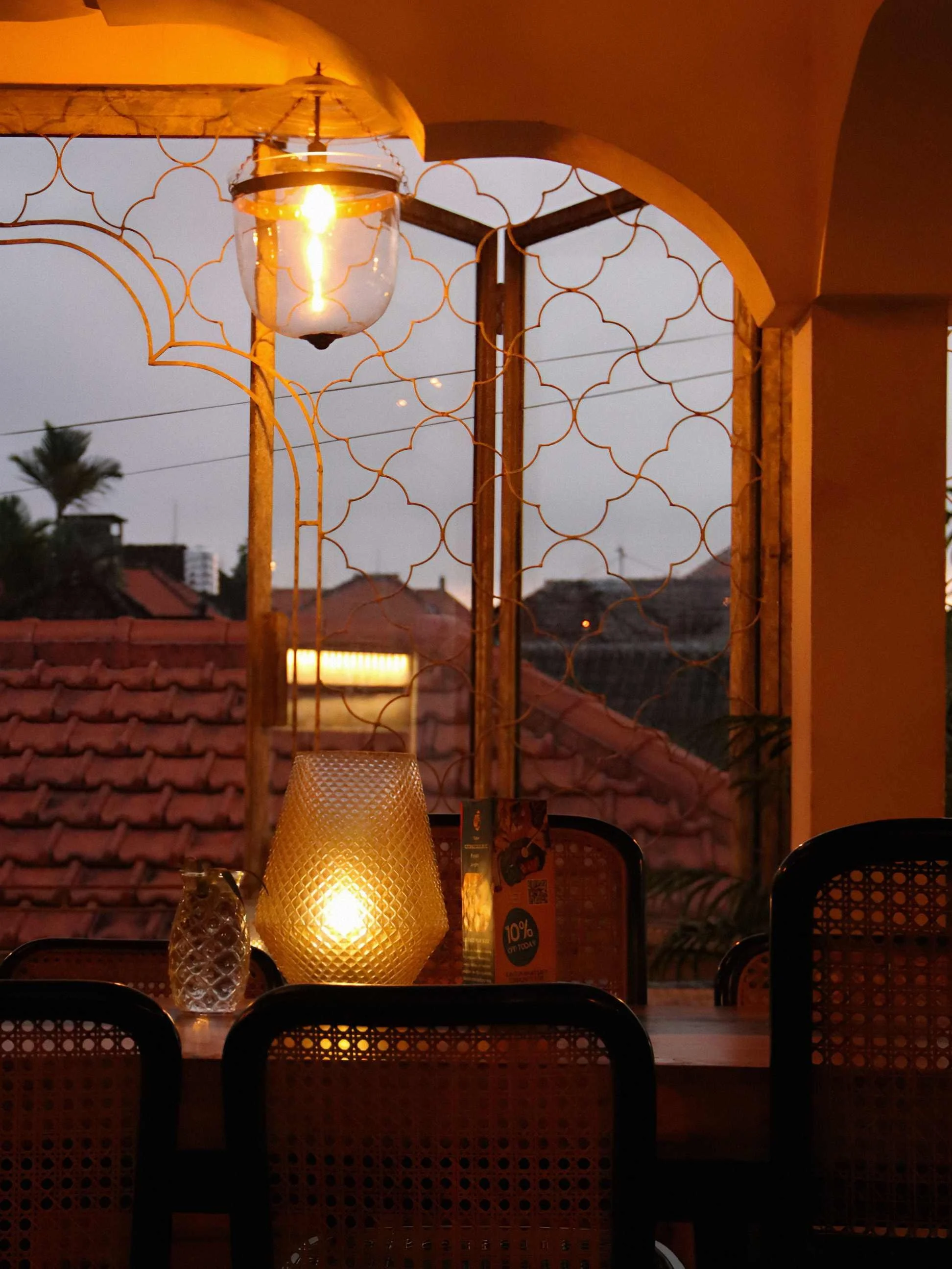
A comfortable setting gives guests time to talk, share dishes, and enjoy the evening without feeling rushed. In a destination as active as Ubud, these quieter moments can become just as memorable as the places visited during the day.
This is where food and hospitality can complement the wider experience of travelling through Bali.
What Nyepi Can Remind Us
Nyepi offers a perspective that can be easy to overlook in a destination known for constant activity.
It reminds us that celebration does not always have to mean noise and movement. Sometimes it can be found in ceremony and community. Sometimes it can be found in silence.
The offerings placed throughout Bali, the ceremonies that take place before Nyepi, the temporary stillness of the island, and the return to everyday life afterward all form part of a broader cultural experience centred on balance, gratitude, and reflection.
For visitors, taking time to understand these traditions can make a journey through Bali more meaningful.
And perhaps that is one of the simplest lessons of Nyepi:
Not every meaningful moment needs to be filled with activity.
Sometimes, simply pausing is enough.
Frequently Asked Questions
What is Nyepi in Bali?
Nyepi is the Balinese Hindu Day of Silence and marks the beginning of the Saka New Year. It is observed through a 24-hour period dedicated to silence, stillness, and reflection.
Why is Bali quiet during Nyepi?
During Nyepi, Balinese Hindus observe Catur Brata Penyepian, which includes restrictions on fire and light, work, travel, and entertainment. Public activity across the island is significantly reduced during the observance.
Can tourists travel during Nyepi?
Visitors staying in Bali are generally expected to remain at their accommodation during Nyepi. Travel on public roads is restricted, and Bali's airport also closes during the observance. Travellers visiting during this period should check with their accommodation in advance for specific arrangements.
What happens before Nyepi?
Several ceremonies take place before Nyepi, including Melasti, a purification ceremony, and Pengrupukan, which is associated with Ogoh-ogoh processions held in many Balinese communities.
What is the connection between Nyepi and nature?
Nyepi creates a temporary pause in everyday activity across Bali. This stillness connects with broader ideas of balance, reflection, and harmony between people and their environment within Balinese Hindu philosophy.
Where can I enjoy Indian food in Ubud?
Ubud has several restaurants offering Indian cuisine. Pesona Lounge Ubud provides Indian dishes in a relaxed setting in central Ubud, making it an option for travellers looking to enjoy a meal while exploring the cultural heart of Bali.