Is Ubud Worth Visiting? An Honest Guide for First-Time Travellers
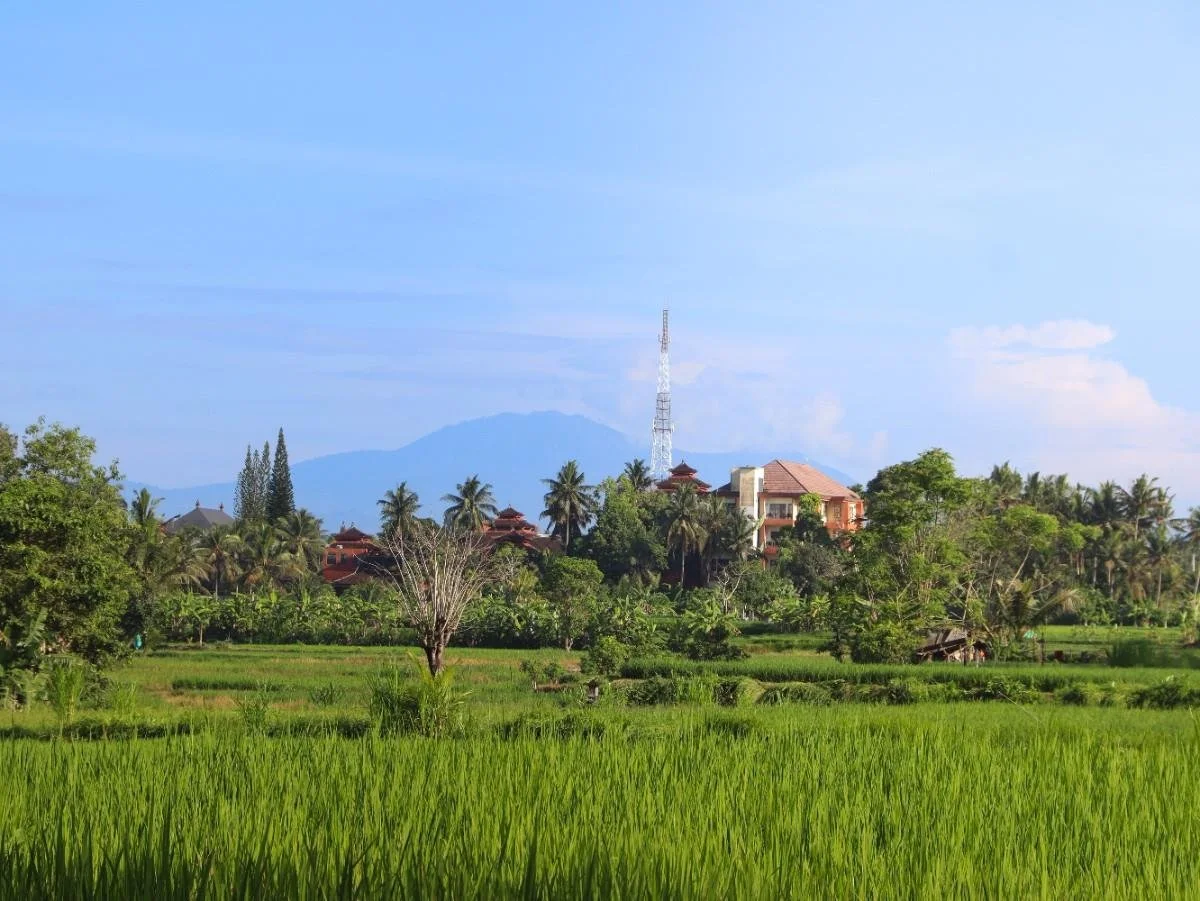
Is Ubud Worth Visiting?
Yes, Ubud is worth visiting but it is not for everyone.
Ubud is best suited to travellers who are interested in Balinese culture, art, green landscapes, wellness, food, and a slower style of travel. However, it may disappoint visitors who imagine it as a completely quiet village surrounded by rice fields, free from traffic and easy to explore entirely on foot.
Modern Ubud has two distinct sides.
On one hand, you can still find family temples, religious ceremonies, art galleries, rice-field paths, river valleys, and villages where traditional Balinese life remains visible. On the other hand, central Ubud has developed into a busy tourism hub filled with restaurants, shops, spas, hotels, vehicles, and commercial activity.
The better question is not simply, “Is Ubud beautiful?”
It is:
Does Ubud offer the kind of experience you are looking for?
This guide provides a realistic answer.
What Makes Ubud Different from Other Parts of Bali?
Ubud does not have a beach. Its main appeal comes from culture, art, spiritual traditions, river valleys, rice fields, and the surrounding villages of Gianyar.
The area has long been recognised as one of Bali’s main centres for art and culture. Visitors can find palaces, temples, museums, studios, galleries, and traditional dance performances throughout Ubud.
However, the term “Ubud” is often used to describe a much larger area than the town centre itself. Staying near Jalan Monkey Forest offers a very different experience from staying in Sayan, Penestanan, Nyuh Kuning, or Tegallalang.
This is one of the most common mistakes first-time visitors make: assuming that every part of Ubud has the same atmosphere.

Reasons Ubud Is Worth Visiting
1. Balinese Culture Is More Accessible Here
In Ubud, Balinese culture is not limited to scheduled performances for tourists. Temples, offerings, religious processions, gamelan music, and community activities are part of everyday life.
Within a single day, visitors may explore a museum, observe traditional temple architecture, watch a dance performance, and walk past a neighbourhood preparing for a local ceremony.
This makes Ubud especially rewarding for travellers who want to understand Bali beyond its beaches and nightlife.
However, visitors should understand the difference between observing local culture and treating it as a backdrop for photographs. Temples and sacred spaces remain active places of worship.
Dressing respectfully, following local instructions, and avoiding disruption during ceremonies are essential parts of responsible travel.
2. Ubud Rewards Slow Travel
Ubud is not a destination that needs to be “completed” by visiting as many attractions as possible in one day.
Some of the best experiences come from a less crowded schedule: an early morning walk, one museum visit, a long lunch, an afternoon workshop, time to rest, and a cultural performance in the evening.
Travellers who visit Ubud only as a day trip from southern Bali often experience the town at its busiest. They arrive at the same time as tour groups, move quickly between popular attractions, and leave before the atmosphere changes in the evening.
Staying for at least two or three nights allows you to experience Ubud early in the morning and after dark, when the town feels different from the busiest daytime hours.
3. The Best Experiences Are Not Limited to Tourist Attractions
Ubud’s strength does not come from one major landmark. Its value comes from the combination of many smaller experiences.
Visitors can choose from:
Balinese cooking classes;
painting, jewellery-making, and craft workshops;
yoga and meditation;
spas and body treatments;
traditional dance performances;
museums and art galleries;
rice-field walks;
temple visits;
food experiences;
excursions to nearby villages.
This means Ubud can still feel rewarding even if you are not interested in visiting every famous photo location.
4. Ubud Has One of Bali’s Most Diverse Dining Scenes
Ubud is well known for vegetarian restaurants and wellness cafés, but its food scene is much broader.
Central Ubud and the surrounding neighbourhoods offer Balinese warungs, Indonesian restaurants, Indian food, Japanese cuisine, Mediterranean dishes, Italian restaurants, and modern international concepts.
This variety makes Ubud suitable for a longer stay because travellers do not need to eat the same type of food every day.
However, it is worth looking beyond restaurants that are currently popular on social media. The busiest venue does not always provide the most memorable dining experience.
Smaller restaurants on side streets or slightly outside the centre may offer a quieter atmosphere, more personal service, and a better sense of place.
5. Ubud Is a Useful Base for Exploring Central Bali
Staying in Ubud provides relatively convenient access to many parts of Gianyar and central Bali.
However, the phrase “near Ubud” is often used very loosely in travel content.
A waterfall, temple, or rice terrace described as an Ubud attraction may actually be located well outside the town centre. A journey that looks short on a map may take much longer because of narrow roads, ceremonies, rain, roadworks, or traffic.
Ubud works best as a base when destinations are grouped by direction rather than placed into one unrealistic itinerary.
The Downsides of Visiting Ubud
1. Central Ubud Is Not Always Peaceful
Promotional photographs often show Ubud as a quiet landscape of jungle, temples, and rice fields with no traffic in sight.
That version of Ubud exists, but it does not represent the entire town centre.
Jalan Raya Ubud, Jalan Monkey Forest, and Jalan Hanoman can become extremely busy. In some sections, pavements are narrow, traffic moves close to pedestrians, and vehicle noise is part of the daily environment.
Visitors looking for complete tranquillity should not choose accommodation based only on the word “Ubud” in the address. The exact location and surrounding neighbourhood matter far more.
2. Walking Is Not Always as Easy as It Looks
Central Ubud is relatively walkable, especially around Ubud Palace, the market, Jalan Goutama, Jalan Hanoman, and Jalan Monkey Forest.
However, “walkable” in Ubud does not always mean comfortable.
Some streets have narrow or uneven pavements, parked motorbikes, construction, open drainage, or heavy traffic. In addition, two properties that appear close together on a map may be separated by a river valley, steep steps, or a longer road route.
For travellers who do not ride a scooter, accommodation location is often more important than extra hotel facilities.
3. Popular Attractions Can Feel Commercial
Several famous places around Ubud have developed into highly commercial tourism areas with entrance fees, souvenir stalls, photo platforms, swings, and large numbers of visitors.
This does not automatically mean they are not worth visiting. It simply means expectations should be realistic.
A famous rice terrace seen repeatedly on social media may not feel like a quiet rural landscape once you arrive.
Travellers looking for a more natural experience should balance major attractions with museums, village walks, quieter trails, local workshops, or less-photographed areas.
4. Ubud Is Not Bali’s Main Nightlife Destination
Ubud has bars, live music, lounges, restaurants, and evening performances.
However, its nightlife is generally more relaxed than Seminyak or Canggu.
Ubud is better suited to long dinners, cocktails, live music, cultural performances, and quieter evenings. It is less suitable for travellers whose main priority is large beach clubs or late-night parties.
5. Rain Can Change Plans Quickly
Because Ubud is located inland and surrounded by green landscapes, it can feel more humid and may receive different rainfall patterns from Bali’s coastal areas.
Rain does not necessarily ruin a visit. Ubud offers many indoor activities, including museums, cooking classes, spas, art workshops, cafés, galleries, and cultural venues.
However, itineraries that depend entirely on outdoor attractions are more vulnerable to disruption.
Who Is Ubud Best For?
Ubud is likely to be worth visiting if you:
are interested in Balinese culture and art;
enjoy a slower pace of travel;
want to try yoga, meditation, spa treatments, or wellness activities;
enjoy restaurants, cafés, and local food;
are willing to start early to avoid crowds;
want a green inland destination rather than a beach area;
value experiences more than nightlife.
Ubud may not be the best choice if you:
want to spend most of your holiday at the beach;
plan to party almost every night;
strongly dislike humidity and rain;
expect to explore everything comfortably on foot;
are highly sensitive to traffic and road noise;
imagine Ubud as a completely quiet rural village;
have very limited time and are mainly interested in southern Bali.
How Many Days Should You Spend in Ubud?
One Day
One day is enough for only a brief introduction.
You may have time to visit central Ubud, see one cultural attraction, have lunch, and stop at one additional location.
The main disadvantage is that day-trippers usually experience Ubud during its busiest hours. They also miss the quieter mornings and evenings.
Best for: travellers with a very limited schedule.
Two Nights
Two nights provide enough time to explore the centre, attend an evening performance, visit one area outside town, and enjoy the destination without rushing constantly.
Best for: first-time visitors who also plan to stay in other parts of Bali.
Three to Four Nights
For most travellers, this is the most balanced length of stay.
It allows time for culture, nature, food, rest, and one or two excursions. It also provides some flexibility if the weather changes.
Best for: couples, solo travellers, families, and first-time visitors.
Five Nights or More
A longer stay works well for yoga retreats, remote work, wellness travel, creative workshops, or slow exploration.
However, spending five nights in the busiest part of central Ubud may feel overwhelming. Consider dividing the stay between the centre and a quieter outer neighbourhood.
Which Area of Ubud Should You Stay In?
Central Ubud
Choose central Ubud if you want to walk to restaurants, shops, the market, Ubud Palace, and evening performances.
Advantages: Convenient and easy for first-time visitors.
Disadvantages: Busier, noisier, and more commercial.
Jalan Bisma
Jalan Bisma is close to the centre, but some parts feel calmer than the main roads.
It is a good option for travellers looking for a balance between convenience and atmosphere.
Nyuh Kuning
Located south of the Monkey Forest, Nyuh Kuning generally feels more residential and relaxed than the busiest central streets.
Best for: couples, families, and travellers who want to remain reasonably close to town.
Penestanan
Penestanan is known for villas, cafés, studios, rice-field paths, and small lanes.
Some parts are ideal for longer stays, but vehicle access, hills, steps, and walking distances should be checked carefully before booking.
Sayan
Sayan is associated with river valleys, luxury resorts, private villas, and a quieter atmosphere.
Best for: honeymoons, luxury stays, and travellers seeking privacy.
Disadvantages: Less practical for frequent walks into central Ubud.
Tegallalang and Northern Ubud
The northern areas offer greener surroundings and a more rural atmosphere, but travelling into the centre may take longer than expected.
Best for: travellers who see the hotel or villa as an important part of the experience.
Common Mistakes First-Time Visitors Make
Planning Too Many Stops in One Day
Distances on a map do not always reflect actual travel times.
Two or three major activities are usually more realistic than six attractions spread across different areas.
Visiting Every Attraction at Midday
Rice terraces, walking trails, markets, and popular temples are often more enjoyable early in the morning.
The temperature is cooler, the light is softer, and visitor numbers are usually lower.
Choosing a Hotel Based Only on Photographs
Beautiful room photos do not reveal traffic noise, difficult road access, steep paths, nearby construction, or the true walking distance to the centre.
Always check the map, recent reviews, and comments specifically mentioning location and access.
Treating Ceremonies as Tourist Shows
Balinese ceremonies are not performances arranged for visitors.
Avoid entering restricted areas, blocking processions, using intrusive photography, or standing too close to worshippers without permission.
Visiting Only Viral Locations
Ubud has museums, local art communities, village roads, workshops, and restaurants that rarely appear in trending social media content.
Leaving some free time in your itinerary often leads to a more personal experience.
How to Experience Ubud Without Getting Overwhelmed by Crowds
Start the day early. Visit outdoor locations before long breakfast stops and before most day-trip groups arrive.
Plan activities by area. Avoid combining northern, eastern, and central Ubud in one day simply because the locations appear close on a map.
Stay overnight rather than visiting only as a day trip. This allows you to experience central Ubud before the busiest hours and after many day visitors have left.
Do not try to visit every famous landmark. Choose places that genuinely match your interests.
Spend money with local businesses, use knowledgeable local guides, respect sacred areas, and support experiences that are connected to the community.
The quality of tourism in Ubud depends partly on how visitors behave, where they spend money, and what kinds of businesses they choose to support.
So, Is Ubud Really Worth Visiting?
Ubud is worth visiting when you arrive with realistic expectations.
Do not expect the entire area to be a silent village surrounded by rice fields. At the same time, do not judge Ubud only by the traffic on its busiest roads or the crowds at one famous attraction.
The best version of Ubud is found in the combination of both sides: a lively town centre, traditional neighbourhoods, art spaces, surrounding nature, diverse food, and opportunities to slow down.
For most first-time visitors, three nights is enough to understand Ubud’s character without feeling rushed.
Choose your accommodation based on your travel style, begin outdoor activities early, and leave room for experiences that are not planned down to the minute.
Ubud is not a perfect destination. However, for travellers who value culture, creativity, food, nature, and a more reflective pace of travel, it remains one of the most meaningful places to visit in Bali.
Frequently Asked Questions
Is Ubud suitable for a first trip to Bali?
Yes. Ubud combines well with a beach destination and allows first-time visitors to experience two very different sides of Bali.
Staying for two to four nights is usually better than visiting only on a day trip.
Does Ubud have a beach?
No. Ubud is located inland in central Bali.
For a beach experience, combine Ubud with Sanur, Seminyak, Uluwatu, Nusa Dua, or another coastal destination.
Can you explore Ubud without riding a scooter?
Yes, especially if you stay in a central location.
However, attractions outside the town centre usually require a driver, taxi, shuttle service, or another form of transport.
Is Ubud safe for solo travellers?
Ubud is generally popular with solo travellers.
Visitors should still use normal precautions: protect personal belongings, use reliable transportation, avoid isolated roads late at night, and check walking conditions before setting out alone.
Are two nights in Ubud enough?
Two nights are enough for a short introduction, but three nights provide a more balanced experience.
With three nights, you can explore central Ubud, take one trip outside town, enjoy a cultural activity, and avoid an overly rushed schedule.
What is the best time of day to explore Ubud?
Early morning is usually the most comfortable time for walking and outdoor attractions.
The best season depends on your tolerance for rain, heat, crowds, and accommodation prices.