Whether you've just wandered through the Ubud Art Market, spent the morning at the Sacred Monkey Forest, or explored the town's many galleries and cafés, finding somewhere to eat is often the next part of the day. For Muslim travellers, however, choosing a restaurant may involve more than reading reviews or browsing menus. Understanding a restaurant's halal practices can be just as important as the cuisine itself.
As one of Bali's most visited destinations, Ubud offers a remarkably diverse dining scene. Alongside traditional Balinese warungs, you'll find Indonesian, Middle Eastern, Indian, Mediterranean, and international restaurants serving visitors from around the world. Some restaurants are officially halal-certified, while others describe themselves as halal-friendly by using halal-certified meat, avoiding pork, or offering extensive vegetarian menus.
These terms are often used interchangeably, but they don't always mean the same thing. A restaurant may source halal-certified meat without holding formal halal certification. Another may not serve pork but still prepare dishes containing alcohol or operate a shared kitchen. Rather than making assumptions, it's worth understanding what each restaurant offers so you can choose the option that best suits your own dietary preferences and level of religious observance.
In this guide, you'll learn the difference between halal-certified and halal-friendly restaurants, discover practical questions to ask before dining, and explore several restaurants in Ubud that openly communicate their dining practices.
Is Halal Food Easy to Find in Ubud?
Yes. Finding halal-friendly food in Ubud is generally straightforward, especially around Central Ubud, where many restaurants cater to international visitors with a wide range of dietary preferences. Areas such as Jalan Raya Ubud, Jalan Hanoman, Jalan Dewi Sita, Jalan Goutama, and the streets surrounding Ubud Market offer a mix of Indonesian, Middle Eastern, Indian, and international dining options within walking distance of one another.
Over the years, Ubud's culinary landscape has become increasingly diverse. Today, Muslim travellers can choose from Muslim-owned eateries, halal-friendly restaurants, vegetarian cafés, and international restaurants that openly explain their menu ingredients and preparation methods. However, the level of halal assurance differs from one restaurant to another.
Some restaurants hold official halal certification, while others choose to be transparent about practices such as using halal-certified meat suppliers, not serving pork, or avoiding alcohol in food preparation. Because restaurant policies, suppliers, and certification status may change over time, it's always advisable to confirm the latest information directly with the restaurant before your visit.
Halal-Certified vs Halal-Friendly: What's the Difference?
Although these terms are often used together, they describe two different approaches to accommodating Muslim diners.
Halal-Certified
A halal-certified restaurant has completed an official certification process in accordance with Indonesia's halal assurance system. This process assesses various aspects of the restaurant's operations, including ingredient sourcing, meat suppliers, food handling procedures, storage, and overall compliance with halal standards.
For travellers who prefer to dine only at certified establishments, halal certification offers the highest level of assurance.
Halal-Friendly
A halal-friendly restaurant may not hold official halal certification but has adopted practices intended to accommodate Muslim guests.
These practices may include:
Using halal-certified chicken, beef, or lamb.
Not serving pork.
Not using alcohol in food preparation.
Offering a wide selection of vegetarian or vegan dishes.
Providing clear information about ingredients and cooking methods.
Some halal-friendly restaurants may still serve alcoholic beverages separately through a dedicated bar, while others choose not to serve alcohol at all. Because every restaurant operates differently, asking questions remains the most reliable way to determine whether a restaurant meets your personal requirements.
Does Pork-Free Mean Halal?
Not necessarily.
A restaurant that doesn't serve pork isn't automatically halal-certified. Likewise, a restaurant may use halal-certified meat while choosing not to apply for formal halal certification.
If halal assurance is important to you, consider asking a few simple questions before ordering, such as:
Is the meat sourced from halal-certified suppliers?
Is alcohol used in any food or sauces?
Does the restaurant serve pork?
Are ingredients prepared using shared cooking equipment?
Open and transparent communication allows travellers to make informed decisions based on their own beliefs and dietary preferences.
Before exploring our restaurant recommendations, it's worth remembering that there isn't a single definition of the "best" halal-friendly restaurant. Some travellers prioritise official halal certification, while others are comfortable dining at restaurants that openly communicate their ingredients, kitchen practices, and use of halal-certified meat.
The restaurants featured in this guide have been selected based on publicly available information, transparency regarding halal practices, menu variety, location, and their popularity among travellers visiting Ubud. As restaurant policies and certification status may change over time, we recommend confirming the latest information directly with each restaurant before your visit.
Editor's Note: This guide is published by Pesona Lounge Ubud. While we've included our own restaurant, we've also featured other dining options to help Muslim travellers make informed choices based on their personal preferences and dietary requirements.
Questions to Ask Before Choosing a Halal-Friendly Restaurant
When a restaurant doesn't display an official halal certificate, asking a few simple questions can help you make an informed decision. Most restaurants are happy to explain their ingredients, preparation methods, and sourcing practices. A brief conversation often provides more clarity than relying solely on online reviews or map listings.
Here are a few questions worth asking before placing your order.
Is the Meat Sourced from Halal-Certified Suppliers?
If you plan to order chicken, beef, or lamb, ask whether the restaurant sources its meat from halal-certified suppliers. Many halal-friendly restaurants are transparent about where their meat comes from, while others can provide this information upon request.
Does the Restaurant Serve Pork?
Knowing whether pork is served at the restaurant can help you better understand its overall dining practices. While some Muslim travellers are comfortable dining at restaurants that simply don't serve pork, others may wish to ask additional questions about food preparation and kitchen procedures before making their decision.
Is Alcohol Used in Food Preparation?
Some restaurants serve alcoholic beverages but never use alcohol in their cooking. Others may include wine, beer, or spirits in sauces, marinades, or desserts. If avoiding alcohol in food is important to you, it's worth asking before you order.
Are Vegetarian or Vegan Options Available?
Many Indian, Middle Eastern, and vegetarian restaurants in Ubud offer a wide variety of meat-free dishes. While vegetarian meals may reduce concerns about meat sourcing, it's still advisable to ask about ingredients and cooking methods if halal assurance is important to you.
Can the Staff Explain the Ingredients?
Restaurants that value transparency are usually happy to explain where their ingredients come from, how dishes are prepared, and which menu items may be suitable for different dietary preferences. Clear and confident communication is often a good indicator of thoughtful hospitality.
Best Halal-Friendly Restaurants in Ubud
No single restaurant will suit every traveller. Some visitors prefer officially halal-certified establishments, while others are comfortable dining at restaurants that openly communicate their ingredients, use halal-certified meat, and follow halal-friendly practices.
The restaurants below have been selected based on publicly available information, transparency regarding halal practices, menu variety, location, and their popularity among travellers visiting Ubud. As restaurant policies and certification status may change, we recommend confirming the latest information directly before your visit.
1. Arabian Knight Ubud
Arabian Knight is one of Ubud's best-known Middle Eastern restaurants and is frequently recommended by Muslim travellers. The restaurant publicly states that it does not serve pork, lard, alcohol, or wine, making it one of the clearest choices for visitors seeking a dining experience that closely aligns with halal dining practices.
The menu features classic Middle Eastern favourites, including grilled meats, kebabs, rice platters, hummus, and freshly baked breads. Its relaxed atmosphere makes it suitable for both families and small groups exploring Central Ubud.
Best for: Middle Eastern cuisine, family dining, and travellers looking for clearly communicated halal practices.
2. Halal Ubud Burger
For travellers looking for a quick and casual meal, Halal Ubud Burger has become a popular stop in Central Ubud. Known for its burgers, fries, and comfort food, the restaurant is often included in halal dining recommendations shared by visitors.
As with any restaurant, it's advisable to verify the latest information regarding certification, ingredient sourcing, and food preparation directly before ordering.
Best for: Casual dining, burgers, takeaway meals, and affordable lunches.
3. Bale Udang Mang Engking Ubud
Surrounded by tropical gardens and traditional Balinese architecture, Bale Udang Mang Engking offers a relaxed dining experience that's particularly popular with families and larger groups. The menu focuses on Indonesian and Sundanese cuisine, with seafood, chicken, vegetables, and traditional local specialities.
The restaurant is frequently mentioned in Muslim-friendly travel recommendations. However, travellers with strict halal requirements should confirm the latest information regarding kitchen practices and ingredient sourcing before dining.
Best for: Indonesian cuisine, family gatherings, and spacious outdoor dining.
4. Nasi Ayam Kedewatan Ibu Mangku
One of Ubud's most iconic local eateries, Nasi Ayam Kedewatan Ibu Mangku has been serving its signature Balinese-style chicken rice for decades. The restaurant attracts both domestic and international visitors looking to experience one of Ubud's most famous local dishes.
Because halal preferences vary between travellers, it's always recommended to confirm the latest information directly with the restaurant if official halal assurance is important to you.
Best for: Authentic Balinese cuisine and a traditional local dining experience.
5. Pesona Lounge Ubud
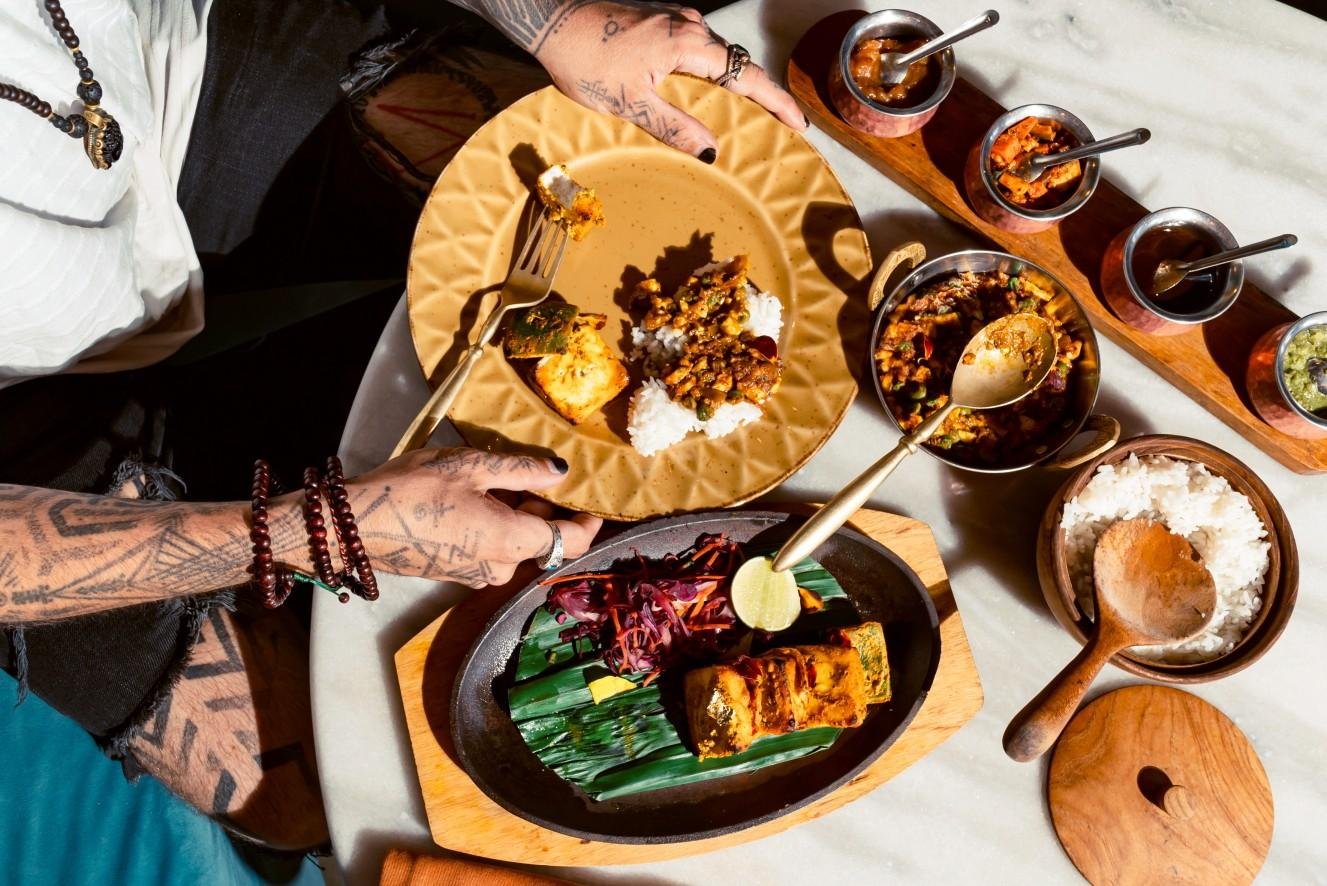
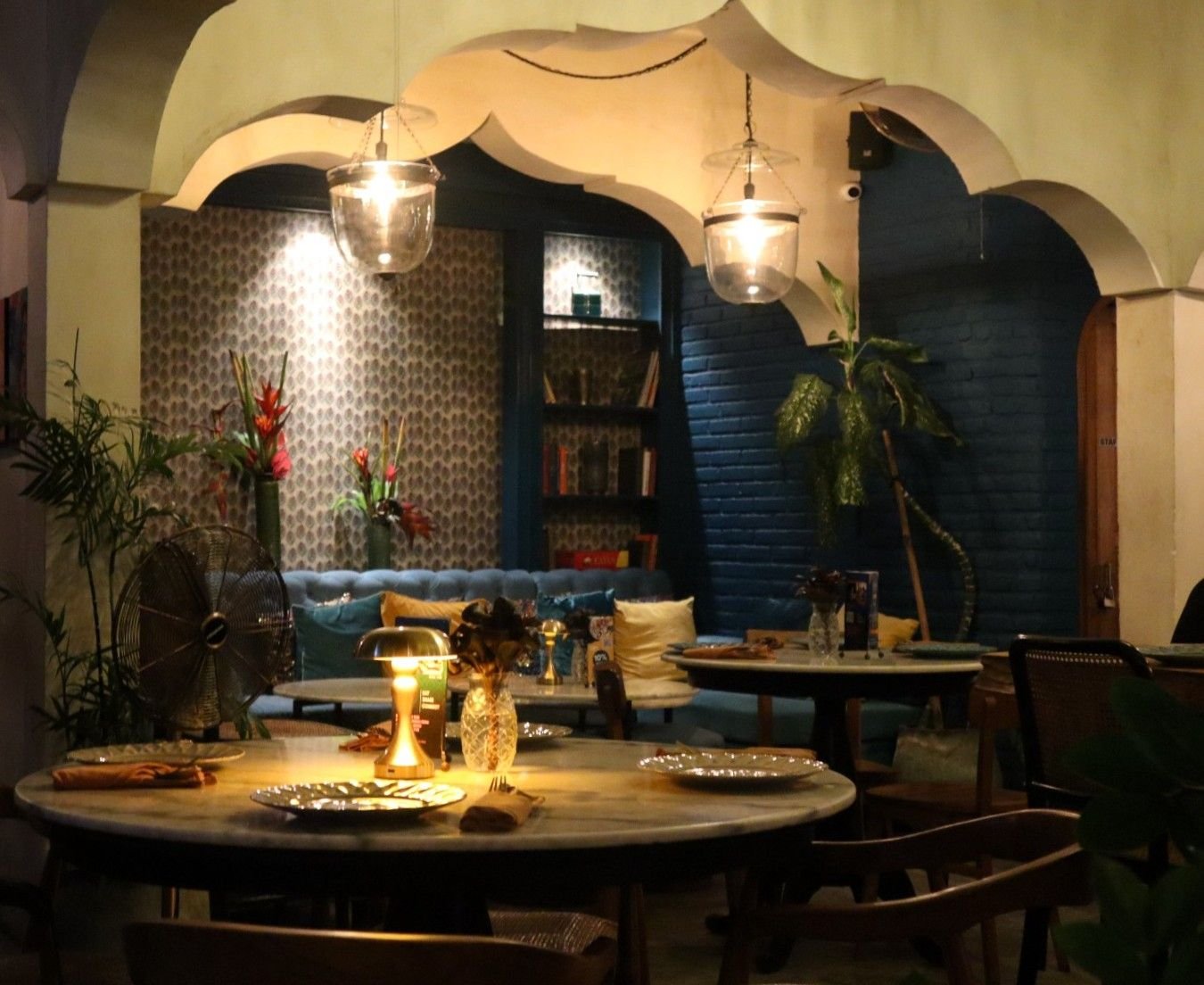
Located on Jalan Goutama Selatan in the heart of Central Ubud, Pesona Lounge specialises in authentic North Indian cuisine served in a relaxed lounge setting. The menu includes classic curries, tandoori dishes, biryanis, freshly baked naan, and a wide variety of vegetarian and vegan options.
Based on its current dining practices, Pesona Lounge can be described as a halal-friendly restaurant. The restaurant does not serve pork, does not use alcohol in food preparation, and sources its chicken, beef, and lamb from halal-certified suppliers. Guests can also choose from a diverse selection of vegetarian dishes, including dal, paneer curries, vegetable curries, biryani, rice, and freshly baked Indian breads.
Pesona Lounge is not currently halal-certified. Alcoholic beverages, including handcrafted cocktails, are available through the restaurant's separate bar. This information is shared transparently so that every guest can decide whether the restaurant aligns with their own dietary preferences and level of halal assurance.
Best for: Authentic North Indian cuisine, vegetarian-friendly dining, and halal-friendly meals in Central Ubud.
Are Vegetarian Restaurants Automatically Halal?
Not necessarily.
Although vegetarian dishes don't contain meat, they are not automatically considered halal. Some restaurants may use cooking wine, alcohol-based flavourings, cheeses made with animal-derived rennet, or shared kitchen equipment during food preparation. Others may also serve alcoholic beverages alongside their food.
For many Muslim travellers, vegetarian dining can reduce uncertainty around meat sourcing. However, if halal assurance is important to you, it's still worth asking about ingredients and cooking methods before ordering.
Ultimately, the most reliable approach is to choose restaurants that communicate openly about their ingredients, suppliers, and food preparation practices. Transparency allows every traveller to make informed dining decisions based on their own beliefs, preferences, and level of religious observance.
Practical Tips for Finding Halal-Friendly Food in Ubud
Finding halal-friendly food in Ubud doesn't have to be complicated. With a little preparation and the right information, you can enjoy the town's diverse culinary scene while choosing restaurants that align with your personal dietary preferences and level of halal assurance.
Look Beyond the Word "Halal"
Terms such as halal-certified, halal-friendly, Muslim-friendly, and pork-free are sometimes used interchangeably, but they don't always represent the same standards. Reading a restaurant's description, checking its website, or asking a few simple questions can provide a clearer understanding than relying on labels alone.
Contact the Restaurant Before Your Visit
If halal assurance is an important consideration, don't hesitate to contact the restaurant before you arrive. A quick message or phone call can help clarify information about meat sourcing, food preparation, alcohol usage, and available menu options, allowing you to plan your visit with greater confidence.
Verify Certification if Necessary
Travellers who prefer to dine only at officially halal-certified restaurants should verify the restaurant's certification directly. Since certification status may change over time, checking the latest information before your visit is always recommended.
Ask About Individual Dishes
Not every dish on a menu is prepared in the same way. If you're unsure about a particular item, ask whether it contains alcohol, how it's prepared, or whether the ingredients meet your dietary requirements. Most restaurants appreciate guests who communicate their dietary needs respectfully.
Choose Restaurants That Value Transparency
Restaurants that openly explain their ingredients, suppliers, and cooking practices make it easier for guests to make informed decisions. Clear communication not only builds trust but also reflects a commitment to good hospitality.
What Can Muslim Travellers Order at an Indian Restaurant?
Indian cuisine is often a great option for Muslim travellers because it offers a wide variety of dishes, including halal-friendly meat dishes, vegetarian favourites, and plant-based meals. At restaurants that clearly communicate their sourcing and cooking practices, guests can choose from a diverse selection of flavours with greater confidence.
Dal
Made from slow-cooked lentils and aromatic spices, dal is one of India's most comforting and widely enjoyed dishes. Naturally meat-free, it's a popular choice for vegetarians and anyone looking for a wholesome meal.
Paneer Dishes
Paneer is a fresh Indian cheese commonly featured in rich tomato-based or spinach curries. Dishes such as Paneer Butter Masala and Palak Paneer are favourites among guests seeking satisfying vegetarian options.
Vegetable Curries
Indian cuisine offers a wide variety of vegetable curries prepared with ingredients such as potatoes, spinach, chickpeas, mushrooms, cauliflower, and seasonal vegetables. Served with rice or freshly baked bread, they provide a flavourful and filling meal.
Biryani
Biryani is a fragrant rice dish cooked with herbs, spices, and carefully layered ingredients. Vegetable biryani is a popular vegetarian choice, while chicken, beef, or lamb biryani may be suitable for Muslim travellers when prepared using halal-certified meat.
Naan, Chapati, and Basmati Rice
Freshly baked naan, soft chapati, and fragrant basmati rice are staples of Indian cuisine. They pair perfectly with curries, grilled dishes, and lentils, making them ideal accompaniments to almost any meal.
Final Thoughts
Ubud's diverse culinary scene offers Muslim travellers more dining choices than ever before. Whether you prefer officially halal-certified restaurants or are comfortable dining at halal-friendly establishments, taking a few moments to understand a restaurant's dining practices can help you make confident and informed decisions throughout your trip.
Rather than relying solely on labels, consider asking about ingredients, meat sourcing, and food preparation whenever halal assurance is important to you. Restaurants that communicate openly about these practices allow guests to choose the option that best matches their own beliefs, preferences, and level of religious observance.
Ultimately, the best dining experience is one where you feel both comfortable and well informed. With a little preparation, enjoying halal-friendly food in Ubud can become a memorable part of your visit to Bali.
Additional Information About Pesona Lounge Ubud
As mentioned in this guide, Pesona Lounge Ubud is not currently halal-certified. However, the restaurant does not serve pork, does not use alcohol in its food preparation, and sources its chicken, beef, and lamb from halal-certified suppliers.
If you're considering dining at Pesona Lounge and would like further information about ingredients, menu items, or halal-friendly dining practices, you're welcome to contact the restaurant directly before your visit. This allows you to make an informed decision based on your own dietary preferences and level of halal assurance.
Frequently Asked Questions
Is halal food easy to find in Ubud?
Yes. Ubud offers a growing number of halal-certified and halal-friendly restaurants serving Indonesian, Middle Eastern, Indian, and international cuisine. As restaurant policies may change over time, it's always advisable to confirm the latest information directly before visiting.
What is the difference between halal-certified and halal-friendly?
A halal-certified restaurant has completed an official halal certification process. A halal-friendly restaurant may not hold formal certification but follows practices such as using halal-certified meat, not serving pork, or avoiding alcohol in food preparation.
Does pork-free mean halal?
No. A restaurant that does not serve pork may still use alcohol in cooking, source meat from non-halal suppliers, or operate without official halal certification. It's always best to ask about the restaurant's practices if halal assurance is important to you.
Is Pesona Lounge Ubud halal-certified?
No. Pesona Lounge Ubud is not currently halal-certified. However, the restaurant does not serve pork, does not use alcohol in its food preparation, and sources its chicken, beef, and lamb from halal-certified suppliers. Alcoholic beverages are served separately through the restaurant's bar.
Does Pesona Lounge Ubud serve pork?
No. Pesona Lounge Ubud does not serve pork. Based on its current dining practices, it is best described as a halal-friendly restaurant rather than a halal-certified restaurant.
Are vegetarian dishes automatically halal?
Not always. Although vegetarian dishes don't contain meat, they may still include alcohol-based ingredients, animal-derived products, or be prepared using shared kitchen equipment. If halal assurance is important to you, it's always worth asking the restaurant about its ingredients and preparation methods before ordering.