What Is Tadka? The Indian Cooking Technique That Changes the Flavor of a Dish
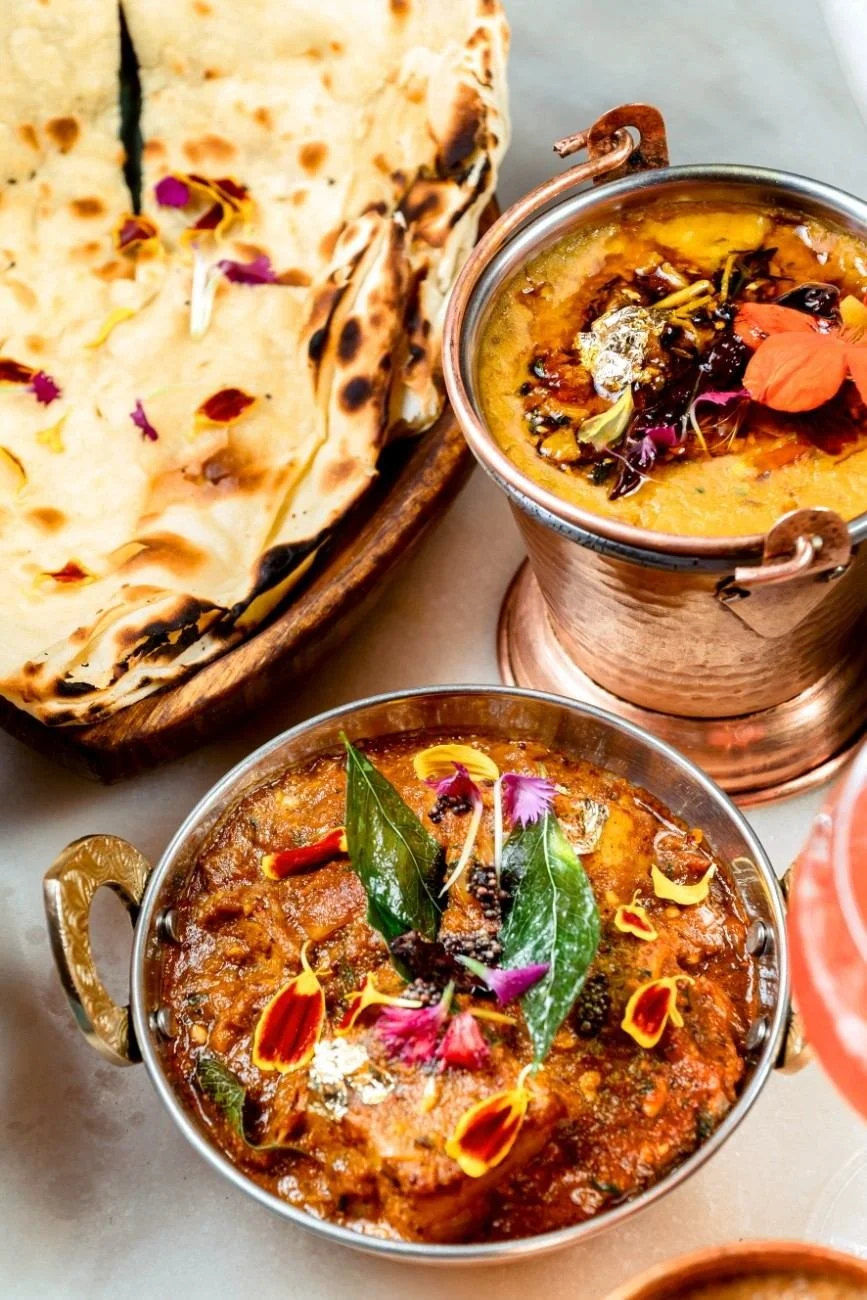
You may have tasted tadka many times without knowing its name.
That final aroma of toasted cumin, warm spices, chilli or garlic that reaches the table before the first bite often comes from one of Indian cooking's simplest techniques: tadka.
Tadka is not a spice blend, a curry or a particular dish. It is a cooking method in which spices and aromatics are briefly heated in oil or ghee to release their aroma and flavour.
Sometimes it happens at the beginning of cooking.
Sometimes it is poured over a finished dish seconds before serving.
And despite using only a small amount of fat and spices, it can noticeably change the character of the entire dish.
What Does Tadka Mean?
Tadka refers to the process of tempering spices in hot fat.
Depending on the dish and regional cooking style, the ingredients might include cumin seeds, mustard seeds, dried chilli, curry leaves, garlic, asafoetida or other spices.
The ingredients are heated briefly rather than slowly cooked for a long time.
The goal is to release their aroma and flavour into the oil or ghee without burning them.
That flavoured fat then becomes part of the dish.
You may also encounter words such as tempering, tarka, chaunk or baghaar when learning about Indian cooking. The terminology varies between regions and languages, but all describe closely related ways of blooming spices and aromatics in fat.
If many of these terms are new to you, our practical guide to Indian food in Ubud gives a broader introduction to curries, tandoori dishes, breads, lentils and different styles of Indian cooking.
Why Heat Spices in Oil?
Spices do not taste exactly the same in every form.
A cumin seed added directly to a finished dish behaves differently from one briefly toasted in hot oil.
Heat helps release aromatic compounds from the spices, while the fat carries those flavours into the rest of the food.
This is one reason you may smell an Indian dish before you properly taste it.
Tadka can also introduce texture.
Whole cumin or mustard seeds create small bursts of flavour, while fried garlic or dried chilli can add contrast to softer foods such as lentils.
The technique is therefore not simply about making a dish stronger.
It is about building another layer of flavour.
Tadka Does Not Automatically Mean Spicy
This is one of the most useful things to understand.
Tadka can include chilli, but chilli is not required.
Cumin, mustard seeds, garlic, curry leaves and other aromatics can create an intense fragrance without making a dish particularly hot.
That distinction matters because spiced and spicy are not the same thing in Indian cooking.
A dish can contain several spices while remaining mild.
Another dish with fewer ingredients can be extremely hot if chilli is a major component.
If chilli heat is something you worry about when ordering, our guide to how spicy Indian food really is explains why the number of spices in a dish does not necessarily tell you how hot it will taste.
Is Tadka Always Added at the End?
No.
Tadka can appear at different stages of cooking.
In some preparations, spices are tempered first. Other ingredients are then added to the same flavoured oil, allowing the tadka to become part of the foundation of the dish.
In other preparations, the tadka is made separately and poured over the food near the end.
That second method is particularly noticeable because the hot oil and freshly toasted aromatics reach the table while they are still highly fragrant.
A relatively gentle bowl of lentils can suddenly develop a completely different aroma within seconds.
Why Timing Matters
Tadka sounds simple, but timing makes a major difference.
Whole spices need enough heat to release their aroma, but leaving them in very hot oil for too long can turn them bitter.
Different ingredients also react at different speeds.
Whole seeds can tolerate heat differently from ground spices.
Garlic changes rapidly as it cooks.
Dried chilli can move from fragrant to burnt surprisingly quickly.
That means good tadka relies less on blindly following a fixed number of seconds and more on understanding heat, aroma and how the ingredients are behaving in the pan.
There is a relatively small window between toasted and burnt.
Experience helps a cook recognise it.
What Ingredients Can Be Used in Tadka?
There is no single tadka recipe.
The ingredients depend on the dish, region and flavour the cook wants to create.
Cumin seeds bring a warm, earthy aroma.
Mustard seeds develop a distinctive toasted character.
Dried chilli can contribute both heat and roasted chilli flavour.
Garlic adds deeper savoury notes.
Curry leaves bring their own highly recognisable aroma and are particularly common in certain regional preparations.
Asafoetida may also be used in selected dishes, where its strong raw aroma changes significantly once heated.
Fresh chilli, ginger and other aromatics can appear as well.
The important point is that tadka describes the technique, not one fixed combination of ingredients.
Why Is Tadka So Closely Associated With Dal?
Dal is one of the easiest foods for understanding what tadka contributes.
Cooked lentils naturally have a soft texture and a relatively gentle base.
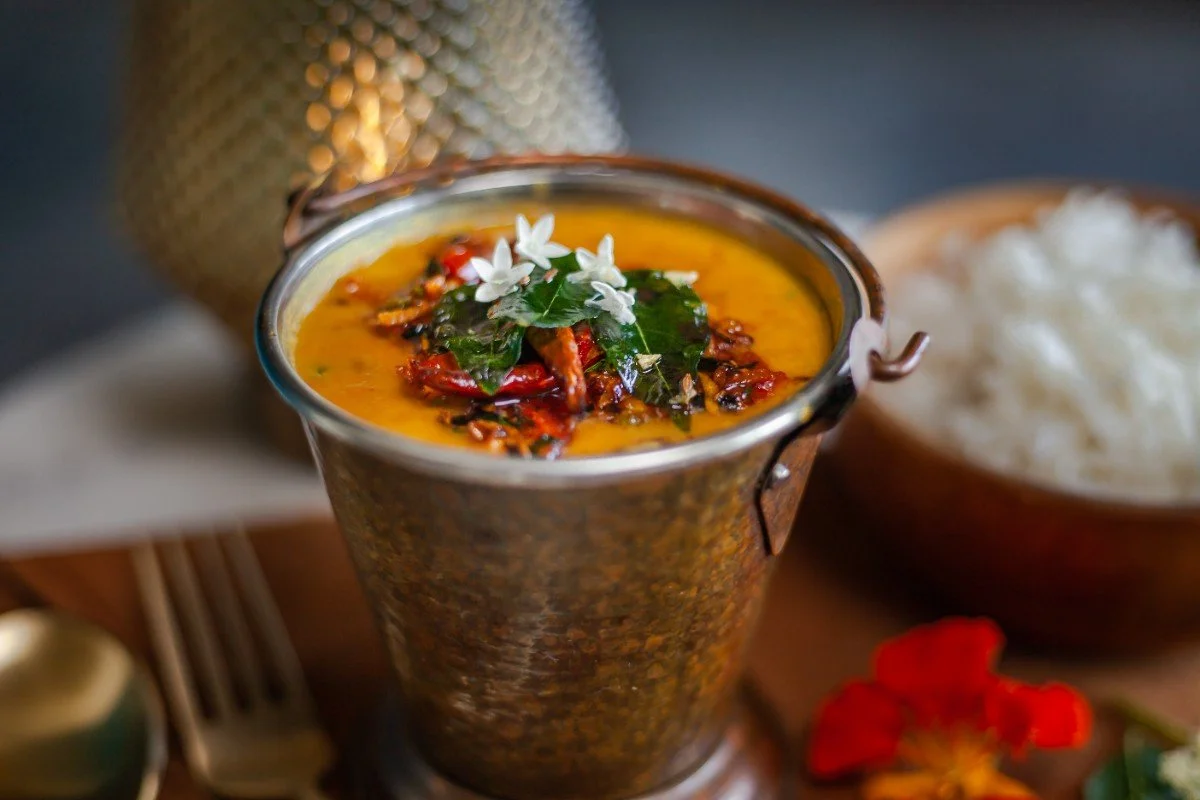
A freshly prepared tadka can introduce toasted spices, garlic, aroma, heat and textural contrast.
At Pesona Lounge Ubud, for example, Mung Dal Tadka combines silky lentils with garlic, cumin and dried chilli.
The lentils provide the body of the dish.
The tempering provides another aromatic layer.
This is also why the tadka sitting on top should not simply be viewed as garnish.
It is part of how the dish tastes.
You can see Mung Dal Tadka alongside our other curries, tandoori dishes, breads and vegetarian options on the Pesona Lounge Ubud menu.
Does Every Indian Dish Use Tadka?
No.
Indian cuisine is far too diverse for one technique to define everything.
Some dishes rely heavily on marinades.
Others develop flavour through long cooking.
Some are grilled over intense heat.
Others depend on fermentation, frying, roasting or sauces built gradually in the pan.
Tandoori cooking, for example, creates much of its character through marination and high-temperature cooking rather than through a finishing tadka.
Different regions of India also use spices, fats and cooking methods in different ways.
Tadka is an important technique, but it is only one part of a much larger culinary vocabulary.
What Should Good Tadka Smell Like?
A well-made tadka should smell fragrant and freshly toasted rather than burnt.
Depending on the ingredients, you might notice cumin, garlic, mustard, chilli or other aromatics.
The aroma can feel especially pronounced because many of those ingredients have only just been exposed to hot oil.
Burnt spices create a very different result.
Once spices are taken too far, bitterness can dominate quickly.
This is why temperature control matters even in a technique that may take only a short amount of time.
Why Understanding Cooking Techniques Makes Indian Food Easier to Order
Indian menus can initially seem complicated because diners encounter many unfamiliar names at once.
Understanding cooking techniques makes the menu easier to read.
Tadka tells you something about how aroma and spice are developed.
Tandoori tells you something about how an ingredient is cooked.
A curry gives you another kind of preparation entirely.
Naan changes how you experience the sauce because bread adds another texture and becomes part of the bite.
If you are curious about that side of the meal, our guide to eating naan with Indian curry explains how different breads and curries work together.
Once these techniques begin to make sense, ordering Indian food becomes less about memorising dish names and more about understanding what kind of experience you enjoy.
Tasting Indian Food Beyond Chilli Heat
Questions about Indian food often begin with one thing:
“Is it spicy?”
But chilli heat is only one part of the experience.
Indian cooking can also be smoky, creamy, tangy, earthy, savoury or intensely aromatic.
Tadka is a good example.
A small amount of cumin, garlic or another aromatic ingredient cooked at the right temperature can influence an entire dish without turning it into something aggressively hot.
So the next time a bowl of dal reaches the table, notice the aroma before taking the first bite.
What you smell may reveal just as much about the cooking as the chilli level does.
Frequently Asked Questions
What is tadka in Indian food?
Tadka is a cooking technique where spices and aromatics are briefly heated in oil or ghee to release their flavour and aroma. It can be used at the beginning of cooking or added to a dish near the end.
Is tadka a spice?
No. Tadka is a cooking method rather than a specific spice or spice blend.
Is tadka spicy?
Not necessarily. It can contain chilli, but tadka can also use ingredients such as cumin, garlic, mustard seeds or curry leaves without creating strong chilli heat.
What is the difference between tadka and curry?
Tadka describes a method of tempering spices in hot fat. Curry refers more broadly to a type of dish or preparation. They are not interchangeable terms.
Why is tadka added to dal?
Tadka can add toasted spice aromas, savoury flavour and texture to cooked lentils, creating contrast with the softer base of the dal.
Is tadka always made with ghee?
No. Ghee can be used, but different dishes may use other cooking oils depending on the recipe, region and desired flavour.
Final Thoughts
Some of the most important techniques in Indian cooking are surprisingly small.
Tadka might involve only a little oil and a handful of spices, but its effect can reach the entire dish.
It demonstrates something fundamental about Indian cooking:
Flavour does not simply come from adding more spices.
It comes from knowing which spices to use, when to add them, how much heat they need and when to stop cooking them.
Understanding that difference gives you a much better introduction to Indian food than judging every dish by how spicy it is.