Food in Ubud: A Local Guide to the Best Places to Eat
For many visitors, Ubud begins with a list of attractions.
The Monkey Forest.
Tegallalang Rice Terraces.
Ubud Palace.
Campuhan Ridge Walk.
Yet after a few days, another question usually takes over:
Where should we eat?
It is a simple question, but in Ubud the answer is rarely straightforward.
Unlike many destinations where dining revolves around a handful of famous restaurants, Ubud offers something more diverse. Traditional warungs sit alongside contemporary dining concepts. Family-run businesses share streets with international restaurants. Plant-based cafés operate a short walk from venues specialising in Indian cuisine, Indonesian classics, or handcrafted cocktails.
The result is one of Bali's most varied dining destinations.
Understanding where to eat in Ubud is also one of the best ways to understand the town itself.
Why Ubud Became a Food Destination
Twenty years ago, most people did not travel to Ubud primarily for food.
They came for art, culture, spirituality, and traditional Balinese life.
Dining was part of the experience, but rarely the main attraction.
As Ubud evolved, so did its restaurants.
The arrival of long-stay visitors, wellness travellers, digital nomads, artists, and international entrepreneurs created demand for greater culinary diversity. Restaurants began serving cuisines from around the world while local businesses continued preserving traditional food culture.
Today, Ubud is one of the few places in Bali where visitors can enjoy Balinese food for lunch, Indian cuisine for dinner, specialty coffee in the afternoon, and cocktails later in the evening without travelling far.
Food became part of Ubud's identity because the town attracted people curious enough to explore it.
The Best Areas for Dining in Ubud
Goutama Street
Goutama Street has quietly become one of Ubud's most interesting dining corridors.
Unlike larger commercial roads, it remains highly walkable. Visitors can move between cafés, restaurants, and cocktail venues without needing transportation.
Many returning visitors spend more time here than they originally planned.
A coffee stop often becomes lunch.
Lunch becomes dinner.
Dinner becomes an evening spent exploring nearby venues.
The street reflects modern Ubud at its best: international, creative, social, and surprisingly relaxed.
Jalan Hanoman
Jalan Hanoman remains one of Ubud's busiest dining areas.
Restaurants, boutiques, cafés, and accommodation line both sides of the road, creating a steady flow of visitors throughout the day.
The variety makes it particularly appealing for first-time visitors who want multiple dining options within walking distance.
Monkey Forest Road
As one of Ubud's best-known streets, Monkey Forest Road combines convenience with variety.
Many visitors dine here after visiting nearby attractions, making it one of the most active restaurant areas in town.
Around Ubud Palace
The streets surrounding Ubud Palace and Ubud Market offer easy access to restaurants before or after exploring central Ubud.
This area often attracts visitors looking for a convenient dinner location without travelling far from major attractions.
What People Actually Eat in Ubud Today
One of the biggest misconceptions about dining in Ubud is that it revolves entirely around Balinese food.
In reality, the dining scene is remarkably diverse.
Traditional dishes such as babi guling, ayam betutu, nasi campur, and sate remain important parts of local food culture.
At the same time, Ubud has become known for international dining.
Indian cuisine has developed a strong following among visitors seeking rich curries, tandoori dishes, and vegetarian options. Japanese restaurants continue growing in popularity. Mediterranean concepts have expanded across town. Plant-based dining remains one of Ubud's strongest culinary trends.
Coffee culture has also become increasingly important.
Many visitors begin their mornings in cafés before exploring the town, creating a dining rhythm that often extends from breakfast through late-evening cocktails.
Rather than focusing on a single cuisine, Ubud has become a destination where different food cultures coexist.
Dining in Ubud Moves at a Different Pace
One of the most noticeable differences between Ubud and other destinations is how people spend time in restaurants.
Meals are rarely rushed.
Visitors often stay longer than expected.
Coffee becomes a two-hour conversation.
Lunch stretches into the afternoon.
Dinner becomes the highlight of the evening.
Part of this reflects the type of traveller Ubud attracts.
Many visitors come here specifically to slow down.
Restaurants naturally adapt to that mindset.
The result is a dining culture that values atmosphere and connection as much as efficiency.
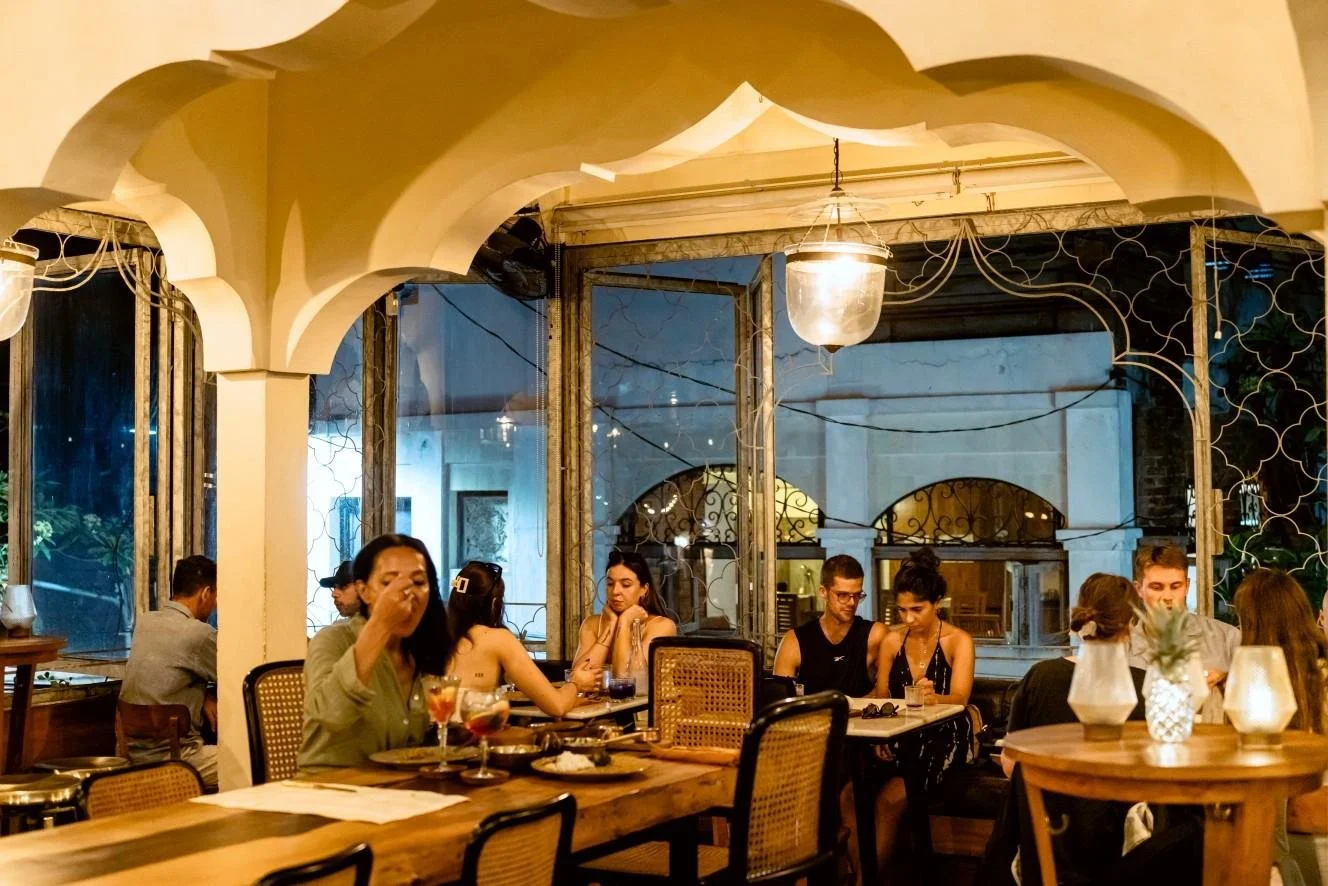
More Than Restaurants
Dining in Ubud is ultimately about more than food.
It is about people.
A conversation with another traveller.
A recommendation from a restaurant owner.
A family gathering after a temple ceremony.
Friends meeting after work.
These interactions happen every day across the town.
They help explain why so many visitors return to Ubud year after year.
The restaurants matter.
The food matters.
But what many people remember most is how those experiences made them feel.
Why Dining Is One of the Best Ways to Understand Ubud
The easiest way to understand Ubud is not necessarily through its attractions.
It may be through its dining scene.
Restaurants reveal how local traditions coexist with international influences.
They show how hospitality shapes daily life.
They reflect the creativity, diversity, and community that continue to define the town.
For visitors looking beyond the usual attractions, dining offers a different perspective on Ubud.
One that begins with food but rarely ends there.
Frequently Asked Questions About Dining in Ubud
What is Ubud known for when it comes to food?
Ubud is known for its diverse dining scene, which combines traditional Balinese cuisine, Indonesian food, international restaurants, vegetarian cafés, specialty coffee, and contemporary hospitality concepts.
Where are the best areas for dining in Ubud?
Popular dining areas include Gautama Street, Jalan Hanoman, Monkey Forest Road, and the streets surrounding Ubud Palace and Ubud Market.
Is Ubud good for vegetarian and vegan food?
Yes. Ubud is widely recognised as one of Bali's leading destinations for vegetarian and vegan dining, with numerous cafés and restaurants offering plant-based menus.
Is dining in Ubud expensive?
Dining in Ubud ranges from affordable local warungs to premium restaurant experiences. Visitors can find options suitable for a wide variety of budgets.
What makes dining in Ubud different from Seminyak or Canggu?
While Seminyak is known for upscale dining and Canggu for trend-driven cafés, Ubud combines food, culture, community, and hospitality in a way that feels more connected to daily life.
Is Ubud a good destination for international cuisine?
Absolutely. Visitors can find Indian, Japanese, Mediterranean, Indonesian, Balinese, and many other cuisines throughout the town.