A Walking Guide to Goutama Street: Ubud’s Quiet Food Hub
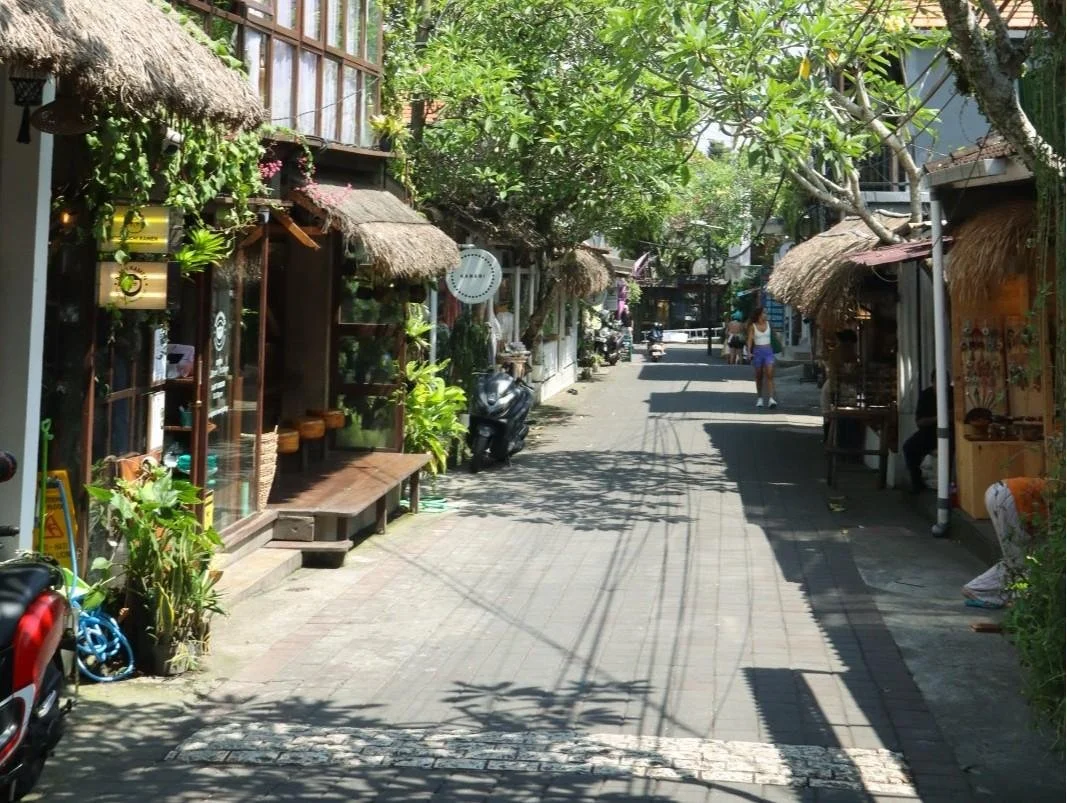
Goutama Street offers a quieter way to experience central Ubud, away from some of the town's busier thoroughfares. Lined with restaurants, cafés, and independent businesses, the street is easy to explore on foot and works naturally as part of a day spent discovering Ubud's food, culture, and evening dining scene. For travellers who want to experience more than the town's major attractions, Goutama Street provides a chance to slow down, wander, and discover another side of Ubud through its food, hospitality, and everyday atmosphere.
Discovering Goutama Street
Visitors exploring Ubud for the first time often begin with its most recognisable streets and attractions.
Jalan Monkey Forest connects the town centre with one of Ubud's best-known attractions. Jalan Hanoman brings together cafés, shops, accommodation, and restaurants, while the streets around Ubud Palace and the Ubud Art Market remain active throughout the day.
Goutama Street has a different character.
There is no single major landmark that defines the street. Instead, its appeal comes from the collection of restaurants, cafés, and independent businesses found along a relatively compact area.
Visitors can stop for a meal, take a break with a drink, browse nearby businesses, or simply walk through the area as part of a wider exploration of central Ubud.
It is the kind of street that becomes more interesting when you are not in a hurry.
A Street Best Explored on Foot
Goutama Street is particularly suited to walking.
The area is compact enough for visitors to move between different restaurants and cafés without arranging transportation for every stop. This makes it easy to leave some flexibility in your itinerary rather than planning every part of the day in advance.
A morning walk can lead to coffee.
An afternoon of sightseeing can lead to lunch.
And after sunset, the same area can become a convenient place to look for dinner.
This flexibility is especially useful for travellers staying in central Ubud. Rather than spending the evening travelling between different parts of town, you can explore the area first and decide where to stop once you arrive.
For visitors who enjoy discovering places spontaneously, walking is part of the experience.
More Than a Restaurant Street
Food is one of the main reasons visitors explore Goutama Street, but it is not the only thing that gives the area its character.
Throughout the day, different groups move through the street for different reasons.
Travellers return from sightseeing. Friends meet for coffee or dinner. Couples look for somewhere to spend the evening. Restaurant teams prepare for dinner service, while people who spend more time in Ubud move through the same streets as short-term visitors.
This mixture gives the area an everyday quality.
It feels like somewhere people spend time rather than somewhere designed around a single attraction.
You are not simply visiting a landmark.
You are spending time in part of central Ubud.
Goutama Street and Ubud’s Food Scene
Ubud's food culture extends far beyond Balinese and Indonesian cuisine.
The town's international character can be seen in the variety of restaurants, cafés, bars, and hospitality businesses found throughout central Ubud. Visitors can move between local food, international cuisines, vegetarian dining, cafés, drinks, and different styles of restaurants within a relatively small area.
Goutama Street is part of this wider culinary landscape.
For food lovers, its appeal lies in the ability to explore different dining experiences without travelling far between them.
Indian cuisine is one of the options available in the area, with Pesona Lounge Ubud offering Indian dishes in a relaxed restaurant and lounge setting. For travellers specifically searching for the best Indian restaurant in Ubud, it is one of the dining options worth considering while exploring central Ubud.
What Makes Goutama Street Worth Exploring?
The appeal of Goutama Street is not necessarily its size or the presence of a famous landmark.
Its strength is its accessibility.
The area is small enough to explore without a complicated plan, but varied enough to give visitors several reasons to stop.
You can walk through during the day and return later for dinner. You can choose a restaurant based on what you feel like eating rather than travelling across town. You can also combine the street with nearby attractions and turn a simple walk into a longer afternoon or evening around central Ubud.
That sense of flexibility is one of the things that makes Goutama Street useful for travellers.
It does not require a special plan.
It can simply become part of your day in Ubud.
Goutama Street From Afternoon to Evening
The atmosphere changes as the day progresses.
During the morning, the area tends to feel more relaxed. Cafés begin serving guests, businesses prepare for the day, and visitors move through central Ubud on their way to other activities.
By late afternoon, more people begin returning from sightseeing, cultural visits, walks, and wellness activities.
Restaurants start preparing for dinner.
The pace becomes slower.
And after sunset, Goutama Street becomes more focused on dining and socialising.
Tables fill with guests. Friends meet for dinner. Couples walk between venues. Conversations continue over food and drinks.
The atmosphere is lively without needing to become a conventional nightlife destination.
For many visitors, that is the appeal: an evening built around eating, talking, walking, and spending time together.
A Different Perspective on Central Ubud
Ubud is often introduced through its temples, traditional arts, rice terraces, markets, and wellness culture.
Those experiences are an important part of visiting the town, but they are not the whole story.
The everyday rhythm of Ubud can also be found in its restaurants, cafés, small businesses, and streets where visitors and residents share the same spaces.
Goutama Street offers a small window into that side of the town.
It is a place where food becomes part of the travel experience, where a short walk can turn into dinner, and where visitors can experience central Ubud without constantly moving from one major attraction to another.
For travellers who prefer to understand a destination through its food, streets, and everyday atmosphere, Goutama Street is worth slowing down for.
Walking Goutama Street as Part of a Ubud Itinerary
One of the easiest ways to experience Goutama Street is to include it in a wider walk through central Ubud rather than treating it as a separate destination.
The area works particularly well between sightseeing stops. You can spend the morning visiting cultural attractions, explore the town centre during the afternoon, and then return to Goutama Street when restaurants begin preparing for dinner.
This approach gives you enough structure to see Ubud while still leaving room for spontaneous discoveries along the way.
From Ubud Palace to Goutama Street
Ubud Palace is a natural starting point for exploring central Ubud.
After visiting the palace and the surrounding streets, you can continue towards the Ubud Art Market. The market is a popular stop for visitors looking for handicrafts, textiles, clothing, souvenirs, and locally made products.
From the market, continue through the surrounding streets before making your way towards Goutama Street.
There is no need to follow a strict route.
Central Ubud is particularly enjoyable when you leave some time to look around, stop when something catches your attention, and adjust your plans as you go.
Adding Saraswati Temple to the Walk
Saraswati Temple is another central attraction that can easily be included in the same itinerary.
Known for its lotus pond and Balinese architectural details, the temple offers a cultural stop while exploring the centre of Ubud.
After visiting the temple, you can continue through the surrounding streets towards the dining areas.
This creates a natural transition from sightseeing to an afternoon break or an early dinner on Goutama Street.
From Sightseeing to Dinner
Late afternoon is a useful time to arrive around Goutama Street if you want to experience the change from daytime activity into the evening dining scene.
Visitors begin returning from sightseeing, restaurants prepare for dinner, and the atmosphere gradually becomes more social.
Instead of travelling across town after a day of exploring, you can continue walking through central Ubud and choose somewhere to eat when you are ready.
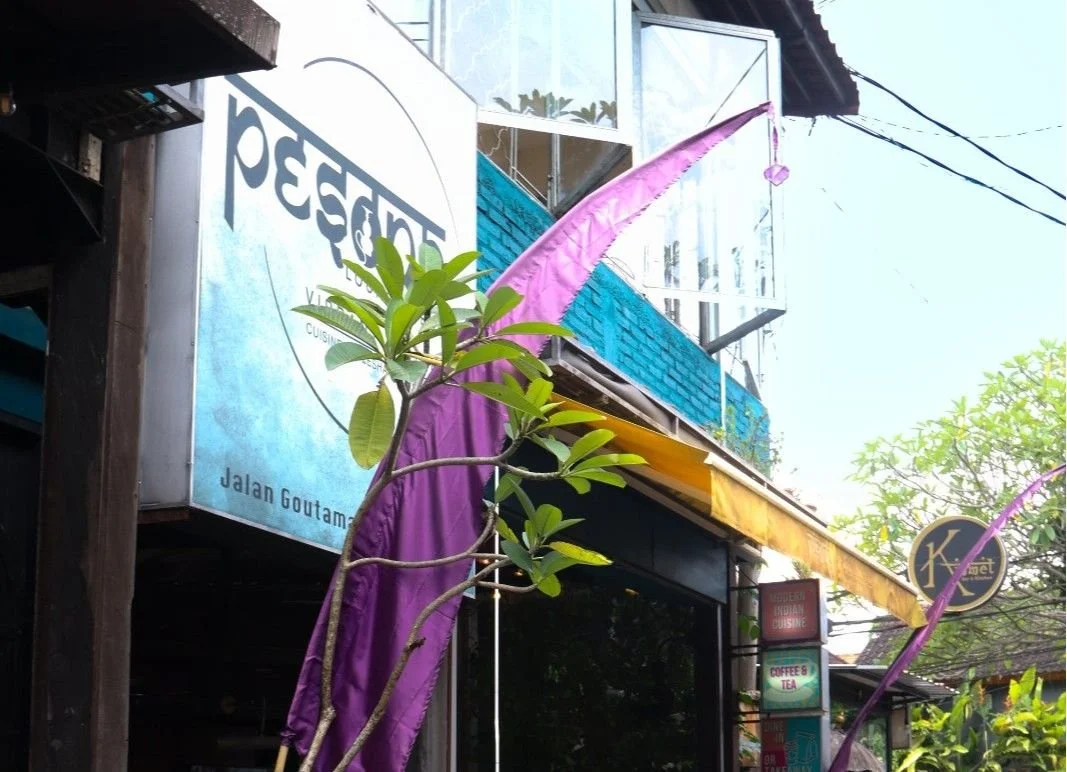
For travellers interested in Indian cuisine, Pesona Lounge Ubud offers Indian dishes in a relaxed restaurant and lounge environment on Goutama Street.
Exploring Different Cuisines
One of the advantages of exploring Goutama Street is the variety of dining experiences available around the area.
Ubud's international character means travellers do not have to limit themselves to one style of cuisine throughout their stay.
You might choose Balinese food one day, explore Indian cuisine the next, and spend another evening at a café or restaurant offering a different culinary style.
At Pesona Lounge Ubud, guests can explore Indian dishes including curries, biryani, tandoori preparations, naan, and vegetarian-friendly choices.
For groups, ordering several dishes to share can also make the experience more interesting. Different dishes bring different spices, textures, and cooking styles to the table.
An Evening for Couples
Goutama Street can work particularly well for couples looking for a relaxed evening in central Ubud.
Rather than creating a complicated itinerary, couples can spend the afternoon exploring nearby attractions before making their way towards the street for dinner.
Once there, the evening can unfold naturally.
Dinner can be followed by drinks, another walk through central Ubud, or simply more time sitting and talking.
For an anniversary, honeymoon, or date night, this slower approach can feel more enjoyable than trying to fit too many activities into one evening.
A Practical Option for Families and Groups
The central location and variety of dining options also make the area practical for families and groups.
Different members of a group may have different preferences, and having several restaurants within a walkable area gives everyone more flexibility when deciding where to eat.
Indian dining can also work well for groups because many dishes can be shared.
At Pesona Lounge Ubud, guests can combine curries, rice dishes, naan, grilled preparations, and vegetarian options to create a meal with different flavours and textures around the table.
Taking Your Time
Perhaps the biggest advantage of exploring Goutama Street is that there is no need to rush.
Ubud can become busy around its main attractions and during popular dining hours. A slower walking route gives you the opportunity to step away from the pressure of constantly moving to the next destination.
Walk.
Look around.
Choose somewhere to stop.
Have dinner.
Stay a little longer.
That simple rhythm is part of what makes exploring central Ubud on foot rewarding.
Goutama Street After Sunset
After sunset, the area takes on a different rhythm.
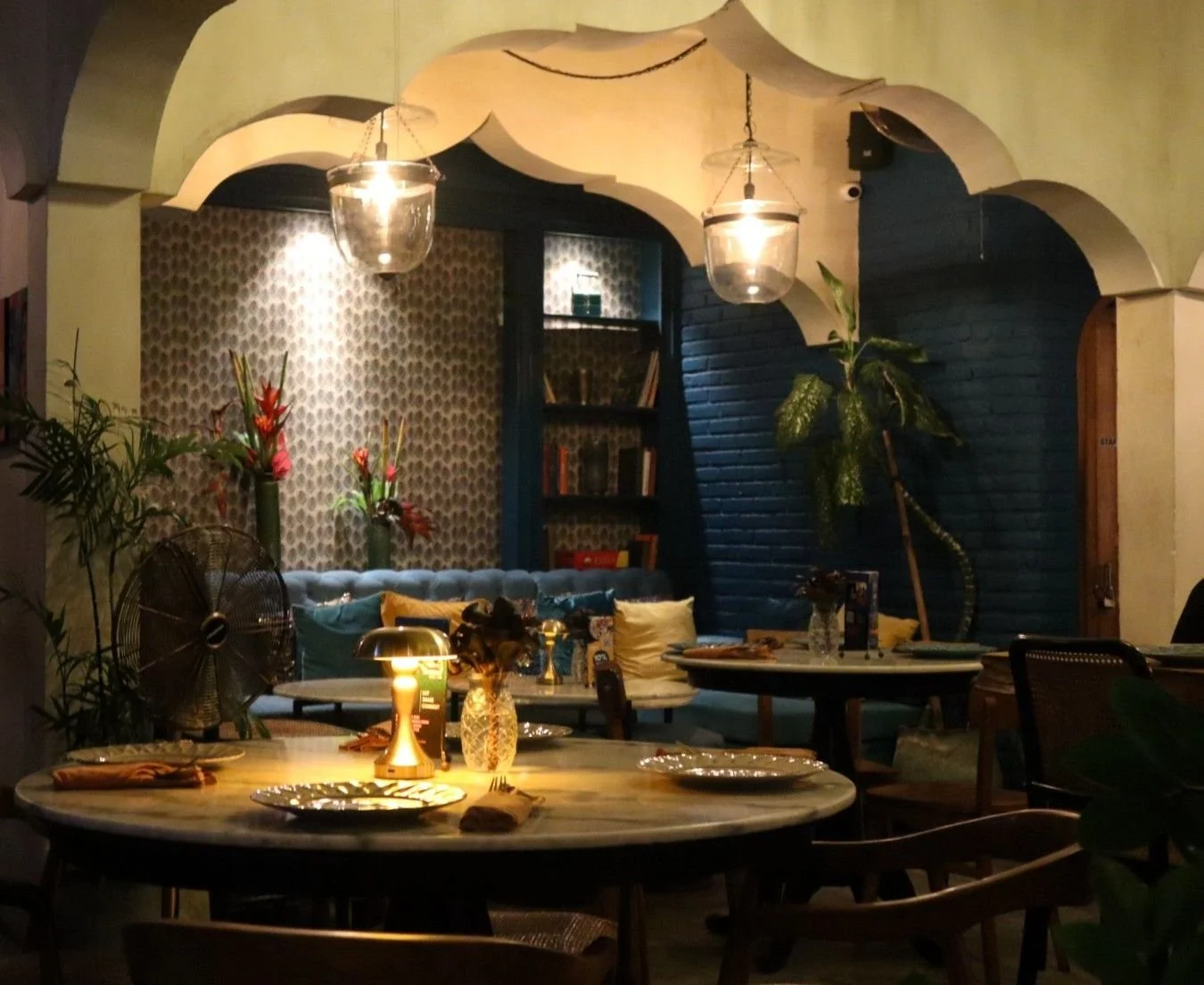
Restaurants become the main focus, tables begin filling, and people settle into longer meals and conversations.
The street remains active, but its energy is largely centred around dining and hospitality rather than a conventional nightlife scene.
For travellers who prefer an evening of food, drinks, and conversation, Goutama Street can be a comfortable place to spend several hours rather than simply passing through on the way somewhere else.
Why Goutama Street Deserves a Place on Your Ubud Itinerary
Goutama Street may not have the same recognition as Ubud's major cultural attractions, but its appeal comes from a different kind of experience.
It is a place to slow down between sightseeing stops, discover restaurants and cafés, and experience central Ubud through its food and hospitality scene.
For travellers who enjoy experiencing a destination through food, walking, and atmosphere, Goutama Street is an easy addition to a day in Ubud.
A Simple Goutama Street Walking Route
You do not need to dedicate an entire day to the area.
A relaxed itinerary could begin around Ubud Palace, continue through the Ubud Art Market, and include a stop at Saraswati Temple before gradually making your way towards Goutama Street.
Spend some time exploring the surrounding streets before choosing somewhere for dinner.
If you arrive in the late afternoon, you can experience the area while there is still daylight before staying into the evening as restaurants become busier.
This approach gives you the freedom to combine sightseeing with dining without having to plan every minute of the day.
When Is the Best Time to Visit Goutama Street?
The best time depends on what you want from the experience.
Morning
Morning is suitable for a quieter walk and for combining the area with breakfast or coffee.
Late Afternoon
Late afternoon is a good choice if you want to combine sightseeing with dinner. You can explore central Ubud while there is still daylight before watching the street gradually transition into its evening atmosphere.
Evening
Evening is ideal if your main goal is dining and experiencing the more social side of Goutama Street.
Restaurants become busier, people settle in for longer meals, and the area develops a relaxed evening rhythm.
Practical Tips for Walking Goutama Street
Wear Comfortable Shoes
Goutama Street itself is relatively compact, but you may end up walking through several surrounding streets as part of your itinerary.
Comfortable footwear is especially useful if you are combining the area with Ubud Palace, the Art Market, Saraswati Temple, or other central attractions.
Leave Some Space in Your Schedule
Avoid making your itinerary too rigid.
One of the advantages of Goutama Street is being able to decide where to stop once you arrive. Leaving some free time gives you the opportunity to discover a café, browse nearby businesses, or choose a restaurant based on the atmosphere you find.
Be Aware of Traffic
Goutama Street is a functioning street rather than a pedestrian-only walkway.
Motorbikes and other vehicles may pass through, particularly during busy periods. Stay aware of traffic while walking and give vehicles enough space to pass.
Check Restaurant Hours
Restaurant opening hours can change, particularly around holidays, ceremonies, or special events.
If you have a particular restaurant in mind, check its current opening hours before visiting. For larger groups or special occasions, making a reservation in advance can also make the evening easier to organise.
Indian Food on Goutama Street
For visitors who want to explore Indian cuisine during their time in Ubud, Pesona Lounge Ubud offers an option on Goutama Street.
The restaurant serves Indian dishes including curries, biryani, tandoori preparations, naan, and vegetarian-friendly choices in a relaxed lounge setting.
It can work as part of a walking itinerary after exploring central Ubud, or as a destination for dinner before continuing your evening.
Frequently Asked Questions
Where is Goutama Street in Ubud?
Goutama Street is located in central Ubud, within the town's dining and hospitality area. Its location makes it convenient to combine with nearby attractions such as Ubud Palace, the Ubud Art Market, and Saraswati Temple.
What is Goutama Street known for?
Goutama Street is known for its restaurants, cafés, and independent businesses. It is a convenient area for visitors who want to explore central Ubud on foot while looking for places to eat and spend time.
Is Goutama Street walkable?
Yes. The area is compact and can easily be explored on foot. It can also form part of a longer walking route through central Ubud.
What is the best time to visit Goutama Street?
Late afternoon and evening are particularly good times if you want to experience the transition from daytime sightseeing to dinner and evening activity.
Is Goutama Street good for dinner?
Yes. The area has a variety of dining options and is conveniently located in central Ubud, making it a practical choice for an evening meal.
Can I find Indian food on Goutama Street?
Yes. Pesona Lounge Ubud offers Indian cuisine on Goutama Street, including curries, biryani, tandoori dishes, naan, and vegetarian-friendly options.
Is Goutama Street suitable for couples?
Yes. Couples can combine an afternoon walk through central Ubud with dinner and drinks around Goutama Street, creating a relaxed evening without needing to travel far between activities.
Can Goutama Street be combined with other Ubud attractions?
Yes. Its central location makes it easy to include alongside Ubud Palace, the Ubud Art Market, Saraswati Temple, and other attractions around central Ubud.