Galungan in Ubud: When Daily Life Reveals the Heart of Bali
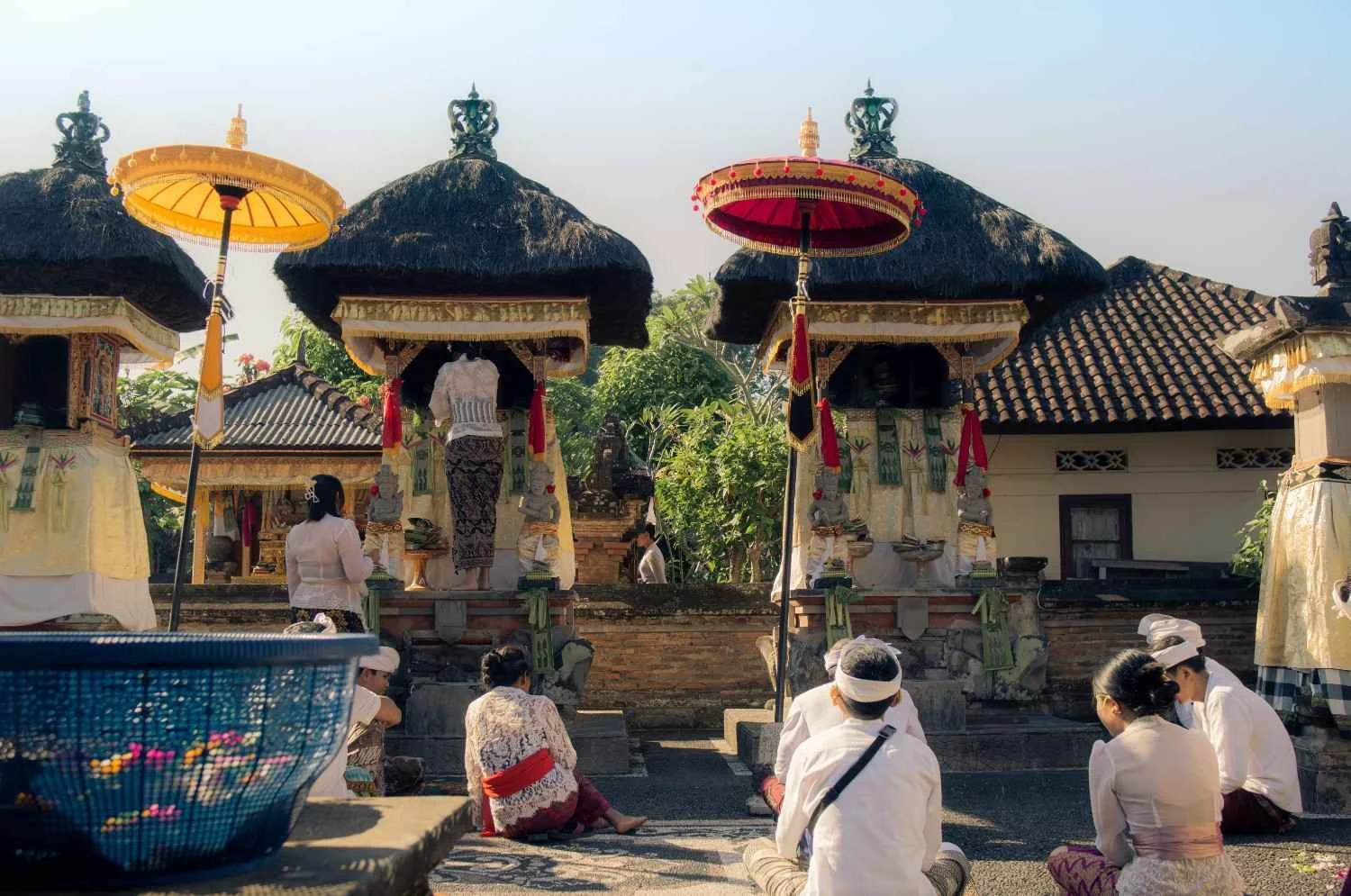
For visitors arriving in Ubud for the first time, Galungan often announces itself before anyone explains what it means.
A few days before the celebration, bamboo poles begin appearing outside homes and family compounds. Along roads in villages such as Peliatan, Mas, Pengosekan, and Tegallalang, residents work together assembling penjor while children move between preparations, ceremonies, and everyday activities.
The visual transformation is striking, but what makes Galungan meaningful is not what visitors see.
It is what happens behind the walls of family compounds.
Across Bali, families prepare offerings, organise temple visits, coordinate ceremonies, and make time for relatives returning home. In a destination where tourism often dominates the conversation, Galungan offers a reminder that community life still shapes the rhythm of the island.
For travellers spending time in Ubud, it can be one of the most revealing periods to understand how Balinese culture functions beyond performances, attractions, and curated experiences.
Understanding Galungan Beyond the Definition
Galungan commemorates the victory of dharma over adharma, a principle commonly translated as the triumph of good over evil.
While this explanation appears in almost every guide to Bali, it only scratches the surface.
For many Balinese families, Galungan is experienced less as an abstract religious concept and more as a lived responsibility.
Preparations involve entire households. Offerings are made collectively. Family members return home. Village communities coordinate ceremonies together.
The celebration follows the Pawukon calendar and occurs every 210 days, creating a cycle that remains deeply woven into Balinese life regardless of how much the island changes around it.
This is one reason Galungan continues to feel relevant in modern Bali. The celebration is maintained not by institutions or tourism campaigns but by families, banjar communities, and religious obligations that continue to shape daily life.
The Meaning Behind the Penjor
For visitors, penjor are often the most recognisable symbol of Galungan.
The tall bamboo structures arch gracefully above roads throughout the island, creating some of Bali's most photographed seasonal scenes.
Yet their significance extends far beyond aesthetics.
Traditional penjor incorporate agricultural products, woven decorations, coconut leaves, and symbolic elements that express gratitude for prosperity and harmony between humanity, nature, and the divine.
Local residents rarely discuss penjor in terms of decoration alone.
The effort involved is part of their meaning.
Families invest time sourcing materials, creating ornaments, and assembling structures together. In many villages, the process becomes a collaborative activity that strengthens relationships between generations.
For visitors driving through Ubud during Galungan, each penjor represents far more than a photo opportunity. It reflects the work, commitment, and cultural continuity taking place within the surrounding community.
Family Compounds Become the Centre of Activity
One of the easiest aspects of Balinese culture to overlook is the importance of the family compound.
Unlike many societies where family members live separately, multiple generations often remain connected through shared compounds and close community networks.
During Galungan, these spaces become especially active.
Relatives travel home. Ceremonial preparations increase. Courtyards fill with activity. Conversations shift from business and daily routines toward family obligations, temple schedules, and community responsibilities.
Visitors rarely see every part of this process, but its influence becomes visible throughout Ubud.
Traffic patterns change. People spend more time with relatives. Community activity increases. The atmosphere feels different, even if it is difficult to immediately identify why.
Early mornings often begin with families carrying offerings to household shrines. By afternoon, village roads can become busier as relatives move between temples and family compounds. In the evening, conversations continue over shared meals long after ceremonies have finished.
These rhythms may seem ordinary to local residents, yet they offer valuable insight into how culture is lived rather than simply preserved.
Food, Mebat, and the Social Side of Celebration
Food is central to Galungan, but not solely because of what is eaten.
The preparation itself often carries equal importance.
Many families participate in mebat, a communal cooking tradition that brings relatives together to prepare food for ceremonies and family gatherings.
Tasks are shared naturally. Recipes are passed between generations. Stories are exchanged alongside practical instructions.
Hours can pass before anyone actually sits down to eat.
The process reinforces family relationships while preserving culinary traditions.
Dishes such as lawar, sate lilit, and ceremonial pork preparations often appear during this period, but focusing only on ingredients misses the larger cultural significance.
The act of preparing food together remains one of the ways communities maintain continuity between generations.
This communal approach helps explain why dining culture in Bali often feels different from many destinations. Food is frequently connected to social responsibility, celebration, and community life rather than individual consumption.
How Galungan Changes Ubud's Hospitality Scene

Galungan offers an interesting perspective on how tourism and tradition coexist in Ubud.
Hotels continue welcoming guests. Restaurants remain open. Shops continue operating.
Yet the underlying rhythm shifts.
Staff may attend ceremonies before or after work. Family obligations influence schedules. Local businesses adapt around important cultural commitments.
Visitors sometimes notice that dining feels different during this period.
Families gather for longer meals. Conversations linger. The pace slows.
Restaurants become places where relatives reconnect after ceremonies and community events.
In many parts of Ubud, dining is not simply about eating during Galungan. It becomes part of the social fabric of the celebration itself. Friends meet after temple visits. Extended families spend hours catching up around shared dishes. Community members who have not seen each other for months find time to reconnect.
For travellers, this creates an opportunity to experience a side of Ubud that is often overshadowed by itineraries and attraction lists.
Visiting Ubud During Galungan: What Travellers Should Know
Travelling during Galungan can be highly rewarding, but expectations should be adjusted.
Ceremonies may affect local traffic. Some businesses may operate with reduced staffing. Certain services may take longer than usual.
Rather than viewing these changes as disruptions, visitors often gain a richer understanding of Bali by recognising them as signs of an active cultural celebration.
Respectful behaviour is equally important.
Avoid stepping on offerings. Dress appropriately when visiting temples. Be patient around ceremonies and processions.
Photography is generally welcomed, but understanding the religious significance behind what is being photographed helps create a more respectful experience.
The most rewarding experiences often come from observation rather than participation. Taking time to notice how neighbourhoods change, how families gather, and how community life unfolds can provide deeper insight than any organised tour.
Why Galungan Matters in Contemporary Bali
Bali continues to evolve rapidly.
New restaurants open every month. Visitor numbers continue to grow. International influences shape everything from architecture to dining trends.
Yet celebrations such as Galungan remain among the strongest examples of cultural continuity.
They reveal how community obligations, family relationships, and spiritual traditions continue to influence everyday life.
For visitors seeking a deeper understanding of Ubud, this perspective is often more valuable than any single attraction.
The essence of Bali is not found exclusively in temples, landscapes, or performances.
It is found in the daily interactions that continue to sustain community life.
A grandfather adjusting a penjor outside the family compound. Neighbours carrying offerings through a narrow village road. Three generations preparing food together in a courtyard. Restaurant staff discussing ceremony schedules before the evening service begins.
These moments rarely appear in guidebooks, yet they reveal far more about Bali than any attraction can.
Galungan simply makes them easier to see.
Frequently Asked Questions About Galungan in Ubud
Is Ubud open during Galungan?
Yes. Restaurants, hotels, cafés, and most tourism businesses generally remain open. However, some locally owned businesses may adjust operating hours as staff attend ceremonies and spend time with their families.
Is Galungan a good time to visit Bali?
For travellers interested in culture, Galungan can be one of the most rewarding times to visit. Penjor line roads throughout the island, ceremonies become more visible, and visitors gain a unique opportunity to observe community life.
Can tourists attend Galungan ceremonies?
Some ceremonies are accessible to visitors, while others are intended primarily for local communities. Visitors should always follow local guidance, dress respectfully, and avoid disrupting religious activities.
What should visitors avoid during Galungan?
Avoid stepping on offerings, interrupting ceremonies for photographs, entering restricted temple areas without permission, or treating religious events purely as tourist attractions.
What foods are associated with Galungan?
Traditional dishes vary between regions and households, but preparations such as lawar, sate lilit, and ceremonial pork dishes are commonly enjoyed during family gatherings and celebrations.
What is the difference between Galungan and Nyepi?
Galungan focuses on celebrating the victory of dharma and strengthening family and community connections. Nyepi, Bali's Day of Silence, centres on reflection, stillness, and island-wide restrictions on activity.