What Makes Tandoori Cooking So Special
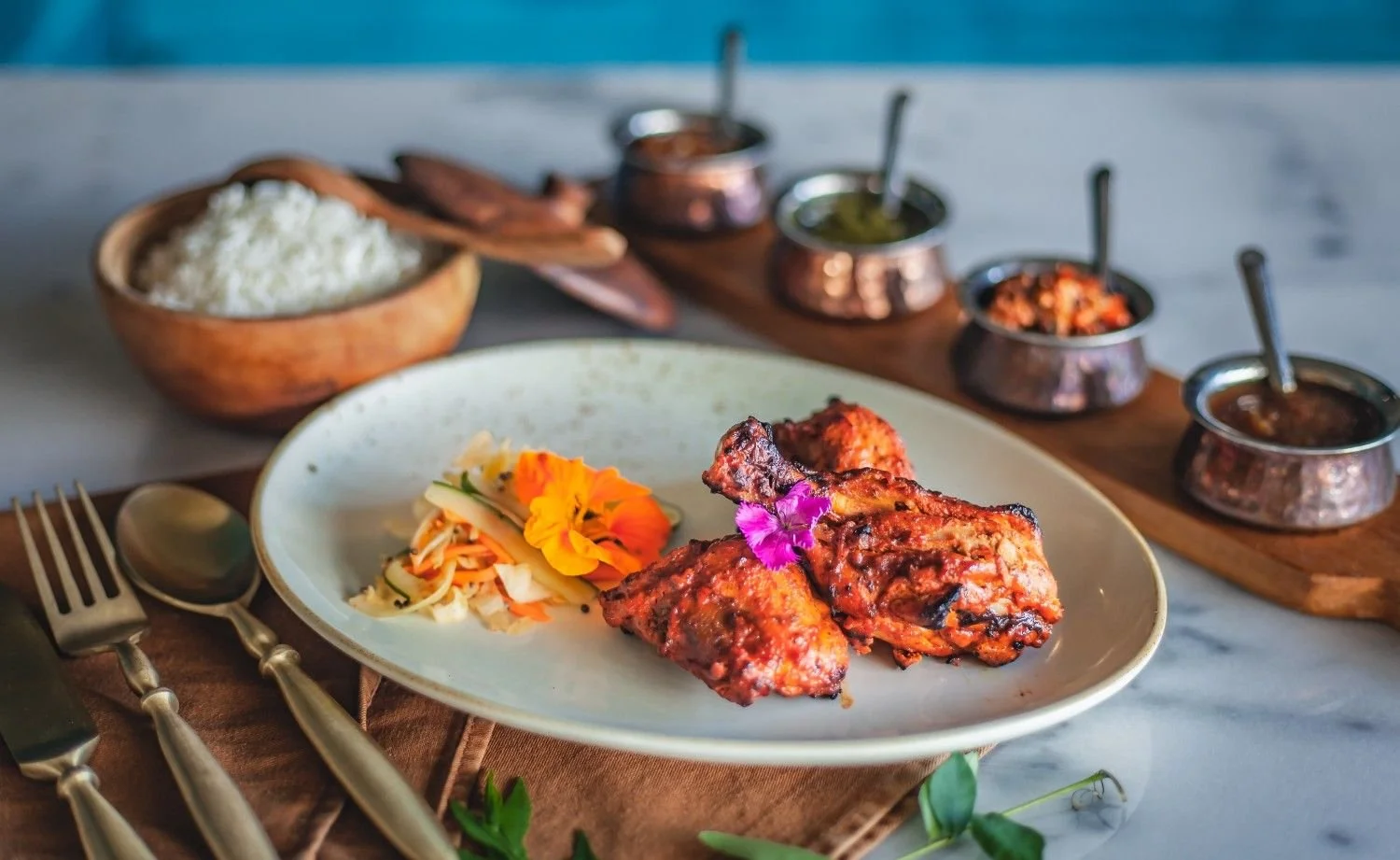
Walk into an authentic North Indian restaurant, and before your meal even arrives, you'll likely notice a distinctive aroma lingering in the air. It's warm, smoky, and filled with layers of spices that hint at something extraordinary happening in the kitchen. Moments later, freshly baked naan emerges with lightly blistered edges, followed by beautifully charred skewers of marinated chicken or vegetables. Behind these unmistakable flavours is one of India's oldest and most celebrated culinary traditions: tandoori cooking.
Although tandoori dishes are enjoyed around the world, many people are unfamiliar with what the word tandoori actually means. It's often mistaken for a spice blend or a specific recipe, when in fact it refers to a traditional cooking method that has been passed down through generations. At the heart of this technique is the tandoor, a cylindrical clay oven capable of reaching remarkably high temperatures that give food its signature smoky aroma, tender texture, and lightly charred finish.
What makes tandoori cooking so remarkable isn't simply the oven itself. It's the combination of carefully prepared marinades, intense heat, skilled craftsmanship, and centuries of culinary knowledge that transform everyday ingredients into dishes full of depth and character. Every step, from marinating the food to carefully managing the heat inside the tandoor, contributes to a flavour profile that is difficult to reproduce with conventional grilling or roasting.
Today, tandoori cooking has become one of the defining symbols of North Indian cuisine. Whether enjoyed in India or in Indian restaurants across the world, it continues to introduce diners to a cooking tradition that values simplicity, balance, and respect for quality ingredients. Rather than masking flavours with heavy sauces, the tandoor allows spices, smoke, and natural juices to work together in harmony.
In this guide, we'll explore the fascinating history of tandoori cooking, discover how a traditional tandoor works, explain why its cooking technique produces such distinctive flavours, and introduce the classic dishes that have made this ancient culinary tradition famous around the world.
The Story Behind Tandoori Cooking
A Cooking Tradition That Has Endured for Centuries
Long before stainless steel kitchens and modern ovens became standard, clay ovens were already at the centre of daily life across parts of the Indian subcontinent. Families gathered around them to bake bread, roast meats, and prepare meals that could feed several generations. Built to withstand intense heat and retain warmth for long periods, these simple yet remarkably effective ovens laid the foundation for what we now recognise as tandoori cooking.
Historians believe that clay ovens resembling today's tandoor have existed for thousands of years, with archaeological discoveries suggesting that similar cooking vessels were used in ancient settlements across the region. Over time, the technique became especially associated with North India, where it evolved into an essential part of local culinary traditions. Villages often shared communal tandoors, allowing neighbours to bake fresh bread and prepare family meals together. In many communities, the tandoor was more than just a cooking tool. It was a place where daily routines, conversations, and traditions naturally came together.
As North Indian cuisine developed, so did the possibilities of the tandoor. What began as an efficient way to bake bread gradually expanded into roasting marinated meats, seafood, vegetables, and paneer. Cooks discovered that the oven's intense heat could seal in moisture while creating beautifully caramelised surfaces, producing textures and aromas that were unlike those created by open-fire cooking or conventional roasting.
Even as modern cooking equipment became widely available, the tandoor remained an important part of professional kitchens. Many chefs continue to rely on it today because the flavours it creates are difficult to replicate. The combination of radiant heat, natural smoke, and the oven's ability to maintain consistently high temperatures gives tandoori dishes a character that technology has yet to replace.
More importantly, the tandoor represents a philosophy of cooking that values patience, preparation, and craftsmanship. A great tandoori dish doesn't begin when the food enters the oven. It starts hours earlier with carefully balanced marinades, thoughtful ingredient selection, and an understanding of how heat interacts with every element of the dish. That attention to detail is one of the reasons this centuries-old cooking method continues to be admired by chefs and food lovers around the world.
More Than Just Tandoori Chicken
One of the biggest misconceptions about Indian cuisine is that tandoori refers to a particular recipe. In reality, it describes how food is cooked, not what is being cooked.
The confusion is understandable. Tandoori Chicken has become one of India's most internationally recognised dishes, and for many people, it serves as their first introduction to North Indian cuisine. Because of its popularity, it's easy to assume that tandoori is simply the name of the dish itself. However, the same cooking technique is used to prepare a wide range of foods, each benefiting from the intense heat and smoky environment inside the clay oven.
Chicken tikka, lamb seekh kebabs, fish, prawns, paneer, mushrooms, cauliflower, and even freshly baked naan all owe their distinctive flavour to the tandoor rather than to a single spice blend. While recipes and marinades may differ, the defining characteristic is the cooking process itself. The oven's high temperatures quickly caramelise the exterior of the ingredients while preserving their natural moisture, creating the signature balance of smoky flavour, tender texture, and lightly charred edges.
Another misconception is that the vibrant red colour often associated with tandoori dishes defines the cooking style. In fact, authentic tandoori cooking has never depended on colour. Traditionally, the rich flavours come from yogurt, garlic, ginger, aromatic spices, and the natural caramelisation that occurs inside the tandoor. The colour may vary depending on the recipe, but the essence of tandoori cooking has always been rooted in technique rather than appearance.
Understanding this distinction helps explain why tandoori cooking has remained relevant for centuries. It is not tied to a single dish or ingredient, but to a timeless method that enhances everything placed inside the oven. Whether preparing succulent meats, fresh seafood, seasonal vegetables, or warm naan straight from the clay walls, the tandoor continues to demonstrate that exceptional flavour often comes from mastering a simple idea rather than relying on complexity.
What Is a Tandoor?
If tandoori cooking is the art, then the tandoor is the heart of the entire process. Every smoky aroma, beautifully charred surface, and tender bite begins with this centuries-old clay oven. While modern kitchens offer countless cooking appliances, few can recreate the distinctive combination of heat, texture, and flavour produced by a traditional tandoor.
At first glance, the oven itself appears surprisingly simple. A traditional tandoor is a deep, cylindrical clay oven that is heated using charcoal or wood until it reaches extremely high temperatures, often exceeding 400°C (750°F). Unlike conventional ovens that cook food with evenly distributed heat, the tandoor creates an intense cooking environment where radiant heat, circulating hot air, and the oven's thick clay walls work together simultaneously.
This unique design allows ingredients to cook remarkably quickly while retaining their natural moisture. Instead of slowly roasting over moderate heat, meats, seafood, vegetables, and bread are exposed to an environment that seals their surface almost instantly. The result is food that develops a lightly crisp exterior while remaining tender and juicy inside, creating the signature texture that has made tandoori cuisine famous around the world.
Beyond its cooking performance, the tandoor also represents generations of craftsmanship. Traditional clay ovens are carefully constructed to retain heat efficiently, allowing chefs to prepare multiple dishes without constantly reheating the oven. Even today, many restaurants specialising in North Indian cuisine continue to rely on this ancient design because its results remain difficult to replicate with modern equipment.
Understanding how the tandoor works reveals why this centuries-old oven continues to play such an important role in preserving one of India's most celebrated cooking traditions.
How a Traditional Tandoor Works
Unlike most ovens found in modern homes, a tandoor cooks food using several forms of heat at the same time. Once charcoal or wood has heated the oven to the desired temperature, the thick clay walls absorb enormous amounts of thermal energy. Rather than allowing that heat to escape, the clay slowly radiates it back into the cooking chamber, creating an environment where ingredients are surrounded by intense, consistent heat from every direction.
This is one of the biggest differences between a tandoor and an ordinary grill. On a typical barbecue, heat rises primarily from below, meaning food must be turned frequently to ensure even cooking. Inside a tandoor, however, radiant heat comes from the glowing charcoal, the heated clay walls, and the hot air circulating within the enclosed chamber. Together, these elements cook food evenly while reducing the risk of drying it out.
Preparation also plays a key role. Meats, seafood, and vegetables are threaded onto long metal skewers before being carefully lowered into the centre of the oven. Suspended above the charcoal rather than resting directly on it, the ingredients roast rapidly while remaining exposed to the oven's constant heat. This allows chefs to achieve the characteristic balance of smoky flavour, caramelised surfaces, and juicy interiors without relying on excessive oil or lengthy cooking times.
Fresh bread follows a completely different process. Instead of being placed on baking trays, dough is stretched by hand and firmly pressed against the hot inner walls of the clay oven. Within minutes, the dough begins to puff as steam forms inside, creating a soft interior while the outside develops beautifully blistered golden patches. This traditional baking method gives naan its unmistakable texture, with a light chewiness and subtle smokiness that pair perfectly with rich North Indian dishes.
Although the process appears straightforward, mastering a tandoor requires years of experience. Chefs must carefully monitor the oven's temperature, judge cooking times without relying on timers, and understand how different ingredients respond to the intense heat. Small adjustments can dramatically influence the final texture and flavour, making the skill of the cook just as important as the oven itself.
Why High Heat Makes Such a Difference
One of the defining characteristics of tandoori cooking is the exceptionally high temperature inside the oven. While many cooking methods rely on lower heat over longer periods, the tandoor takes the opposite approach. It cooks food quickly, allowing the exterior to caramelise before the natural juices inside have time to escape.
This rapid cooking process creates what many diners recognise as the signature texture of tandoori cuisine. The outside develops delicate charred edges and subtle crispness, while the inside remains moist and tender. Instead of producing a dry grilled texture, the tandoor enhances the natural qualities of each ingredient, whether it is chicken, seafood, paneer, or vegetables.
The marinade also transforms dramatically under such intense heat. Yogurt, garlic, ginger, lemon juice, and aromatic spices begin to caramelise as they cook, forming a thin layer of concentrated flavour around the ingredients. This is one of the reasons authentic tandoori dishes taste rich and complex without feeling heavy. Rather than relying on thick sauces after cooking, much of the flavour is created naturally inside the oven itself.
High heat also allows the ingredients to retain their individual character. Chicken remains succulent, fish stays delicate, vegetables preserve their freshness, and paneer develops a lightly crisp exterior while remaining soft inside. Every ingredient benefits differently from the cooking process, yet all share the distinctive smoky notes that define food prepared in a tandoor.
Perhaps most importantly, the tandoor demonstrates that exceptional flavour doesn't necessarily come from complicated techniques. Instead, it comes from understanding how heat, time, and preparation work together. This philosophy has remained largely unchanged for centuries, proving that some of the world's most remarkable cooking methods are also among its simplest.
Is Tandoori Cooking the Same as Grilling?
Although tandoori cooking and grilling may appear similar at first glance, they produce noticeably different results. Both methods use high heat and often involve cooking food on skewers, but the similarities largely end there.
Traditional grilling exposes food primarily to direct heat from below. Flames or hot coals cook one side of the ingredients at a time, requiring constant turning to ensure even browning. A tandoor, by contrast, surrounds food with radiant heat from every direction. The enclosed clay chamber traps both heat and smoke, creating a cooking environment that is hotter, more consistent, and better at retaining moisture.
Another important distinction lies in the role of the marinade. While grilled foods are often seasoned shortly before cooking, tandoori dishes are typically marinated for several hours to allow yogurt, spices, garlic, ginger, and herbs to penetrate deeply into the ingredients. During cooking, this marinade caramelises against the intense heat, adding layers of flavour while helping to protect the food from drying out.
The final result reflects these differences. Grilled food often carries the bold flavour of open flames, whereas tandoori dishes are known for their balanced smokiness, tender texture, and aromatic spice profile. Neither method is inherently better than the other, but each creates a distinctly different dining experience. For those seeking the unmistakable flavours of North Indian cuisine, it is the tandoor's unique combination of heat, smoke, and tradition that continues to set it apart.
What Foods Are Traditionally Cooked in a Tandoor?
One of the reasons tandoori cooking has remained popular for centuries is its remarkable versatility. Although many people immediately think of Tandoori Chicken, the traditional clay oven has always been used to prepare a wide variety of dishes. From succulent meats to freshly baked breads and vegetarian favourites, the tandoor demonstrates how a single cooking method can transform different ingredients while preserving their individual character.
Unlike cooking techniques that revolve around one signature recipe, tandoori cooking is defined by its adaptability. Every ingredient responds differently to the intense heat of the clay oven, developing its own texture, aroma, and flavour while sharing the subtle smoky characteristics that make food cooked in a tandoor instantly recognisable.
For first-time visitors to an Indian restaurant, understanding what can be prepared in a tandoor offers a deeper appreciation of North Indian cuisine. Rather than being limited to one famous dish, the tandoor serves as the foundation for many of the region's best-loved culinary traditions.
Tandoori Chicken
No discussion of tandoori cooking would be complete without mentioning Tandoori Chicken, one of India's most internationally recognised dishes. Traditionally, chicken is marinated for several hours in yogurt, garlic, ginger, lemon juice, and a carefully balanced blend of aromatic spices before being cooked inside the tandoor.
As the chicken roasts in the intense heat, the marinade begins to caramelise while the outer layer develops its signature charred appearance. At the same time, the rapid cooking process helps retain moisture, producing meat that remains tender and juicy beneath its lightly smoky exterior.
Although countless variations now exist around the world, authentic Tandoori Chicken continues to showcase the defining qualities of traditional tandoori cooking: balanced spices, careful preparation, and exceptional heat control.
Chicken Tikka and Other Grilled Specialities
Another favourite found in many North Indian restaurants is Chicken Tikka. While it shares the same cooking method as Tandoori Chicken, it is prepared using boneless pieces of chicken that are marinated before being threaded onto skewers.
Because each piece is smaller, the intense heat of the tandoor creates beautifully caramelised edges while maintaining a tender interior. This makes Chicken Tikka particularly popular as an appetiser or sharing dish, allowing diners to enjoy the distinctive flavours of the tandoor in every bite.
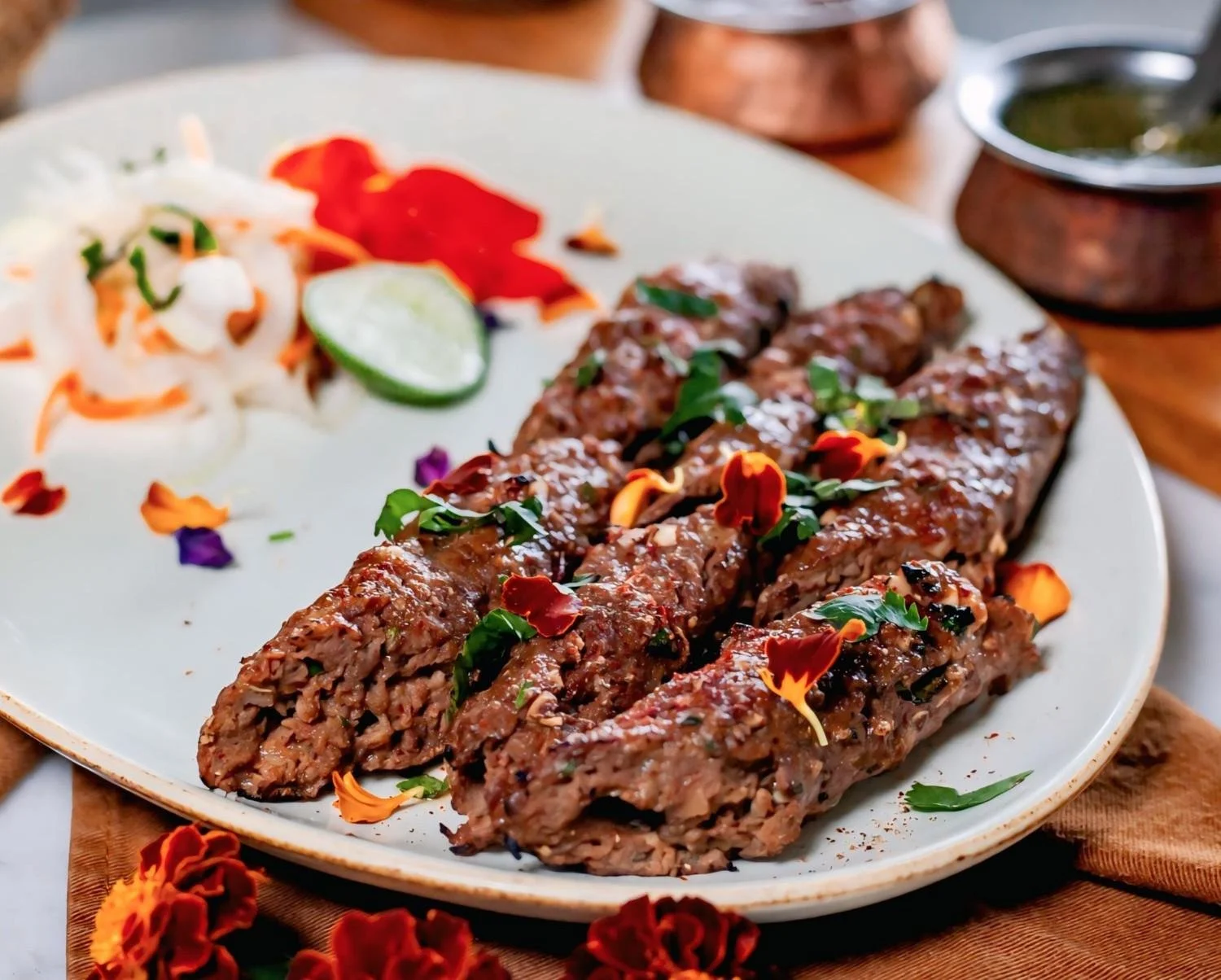
The same technique is also used for lamb kebabs, seekh kebabs, and other grilled specialities, each benefiting from the oven's ability to create smoky flavours without overpowering the ingredients themselves.
Paneer and Vegetables
The versatility of the tandoor extends far beyond meat, making it an equally important part of vegetarian cuisine. One of the most popular ingredients is paneer, a fresh Indian cheese known for its firm texture and mild flavour. Unlike many cheeses, paneer doesn't melt when exposed to high heat, making it perfectly suited for the intense environment inside a traditional tandoor.
Once marinated in yogurt, herbs, and aromatic spices, paneer develops lightly charred edges while remaining soft and creamy at its centre. The high heat allows the marinade to caramelise beautifully, creating a smoky depth of flavour without overpowering the cheese itself. Dishes such as Paneer Tikka have become favourites among both vegetarians and meat lovers, proving that the appeal of tandoori cooking extends well beyond grilled meats.
Seasonal vegetables are another excellent example of the tandoor's versatility. Bell peppers, onions, mushrooms, cauliflower, zucchini, and tomatoes all respond differently to the oven's intense heat. Rather than becoming overly soft, they retain much of their natural texture while developing lightly blistered surfaces and subtle smoky notes.
This approach highlights one of the defining principles of tandoori cooking: enhancing ingredients rather than masking them. The clay oven allows vegetables to retain their natural sweetness while adding complexity through gentle caramelisation and smoke. The result is a vibrant, flavourful dish that demonstrates the remarkable versatility of one of India's oldest cooking traditions.
Freshly Baked Naan
One of the most fascinating traditions inside a tandoor is bread making. Unlike conventional baking, naan dough is stretched by hand before being carefully pressed against the hot inner walls of the clay oven. Within just a few minutes, the intense heat causes the dough to puff as steam forms inside, creating a soft, airy interior while producing lightly blistered golden patches on the surface.
The finished naan emerges with a delicate smokiness, a chewy texture, and crisp edges that make it the perfect companion to curries, grilled meats, and other North Indian dishes. Watching naan being baked inside a traditional tandoor is often as memorable as tasting it, showcasing both the remarkable design of the oven and the skill required to master this centuries-old technique.
Why Tandoori Cooking Continues to Be Loved Around the World
Food trends come and go, but tandoori cooking has stood the test of time. While culinary techniques continue to evolve, the tandoor remains one of the most respected cooking methods because it consistently delivers something that modern technology still struggles to replicate: a perfect balance of smoky aroma, tender texture, and naturally developed flavour.
Part of its lasting appeal comes from its simplicity. Rather than relying on complicated equipment or excessive ingredients, tandoori cooking celebrates careful preparation and the relationship between fire, heat, and fresh ingredients. A thoughtfully prepared marinade, combined with the intense environment of the clay oven, allows flavours to develop naturally without overwhelming the food itself.
The versatility of the tandoor has also contributed to its worldwide popularity. Whether cooking chicken, lamb, paneer, vegetables, or freshly baked naan, the same oven produces dishes that feel both comforting and refined. This flexibility has helped introduce generations of diners to North Indian cuisine while preserving techniques that have been passed down for centuries.
More importantly, tandoori cooking represents more than a way of preparing food. It reflects a culinary tradition built on patience, craftsmanship, and respect for ingredients. Every dish tells a story of cooks who have refined their skills over generations, proving that exceptional flavour often comes from mastering timeless techniques rather than following modern trends.
Experience Authentic Tandoori Cooking in Ubud
For travellers exploring Ubud, experiencing authentic North Indian cuisine is an opportunity to discover one of the world's oldest and most respected cooking traditions. Understanding how a tandoor works, why high heat creates such distinctive flavours, and how generations of chefs have refined this technique adds a new appreciation to every meal.
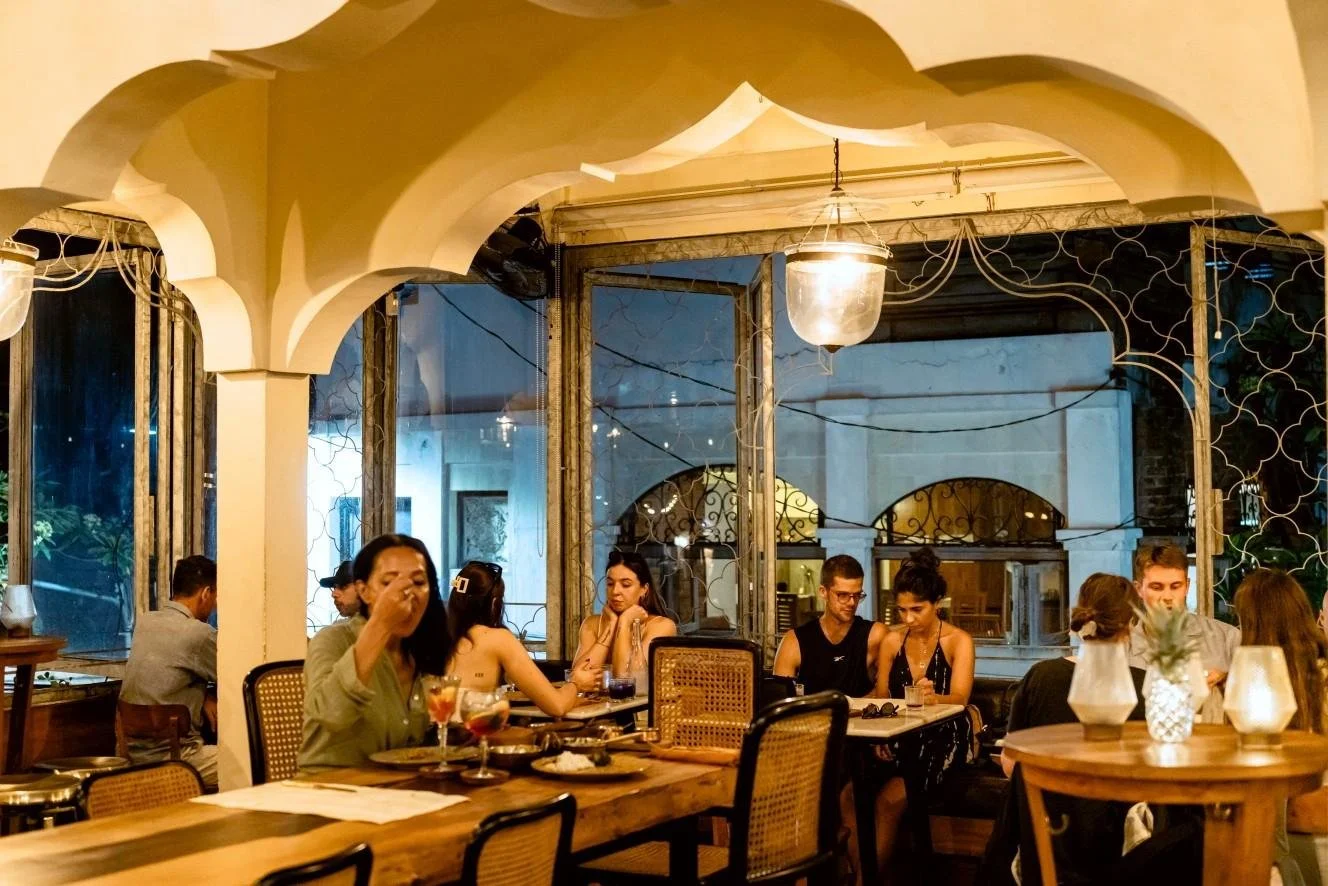
At Pesona Lounge Ubud, traditional North Indian cooking techniques remain at the heart of the dining experience. From freshly baked naan to carefully prepared tandoori specialities, every dish reflects the craftsmanship, aromatic spices, and balanced flavours that have defined this cooking style for generations. Rather than simply recreating well-known recipes, each dish honours the techniques that have made tandoori cuisine one of the world's most admired culinary traditions.
Whether you're trying tandoori cooking for the first time or revisiting familiar favourites, understanding the story behind this remarkable method makes every bite even more meaningful. The smoky aroma, the tender texture, and the beautifully caramelised flavours are not created by chance. They are the result of centuries of knowledge, careful preparation, and a cooking tradition that continues to bring people together around the table.
Frequenlty Asked Questions
What is tandoori cooking?
Tandoori cooking is a traditional North Indian cooking method that uses a cylindrical clay oven called a tandoor. The intense heat inside the oven creates smoky flavours, lightly charred surfaces, and tender textures that are difficult to achieve with conventional cooking methods.
What is a tandoor made of?
A traditional tandoor is made from heat-resistant clay. Its thick walls absorb and retain extremely high temperatures, allowing food to cook quickly while developing its signature smoky aroma and caramelised exterior.
Is tandoori cooking the same as grilling?
No. While both methods use high heat, a tandoor surrounds food with radiant heat from all sides inside an enclosed clay oven. Traditional grilling primarily cooks food over direct heat from below, producing a different texture and flavour.
Why is yogurt used in tandoori marinades?
Yogurt helps tenderise meat while allowing spices to adhere evenly to the surface. During cooking, the marinade caramelises inside the tandoor, creating the rich flavours and lightly charred finish that are characteristic of authentic tandoori dishes.
Can vegetarians enjoy tandoori dishes?
Absolutely. Traditional tandoori cooking is widely used to prepare vegetarian dishes such as Paneer Tikka and a variety of marinated vegetables. The intense heat of the tandoor enhances their natural flavours while adding a subtle smoky character.
Is tandoori cooking spicy?
Not necessarily. Tandoori dishes are known more for their aromatic blend of spices than for intense heat. While some recipes include chilli, the flavour profile is typically balanced, with yogurt, garlic, ginger, and spices working together to create depth rather than overwhelming spiciness.
Does authentic tandoori cooking always use a clay oven?
Yes. Traditional tandoori cooking relies on a clay tandoor, which produces the intense heat and smoky environment that define this cooking method. While home ovens and grills can recreate certain flavours, they cannot fully replicate the unique characteristics of a traditional tandoor.