Traditional Indian Cooking Methods You Should Know
Indian cuisine is celebrated around the world for its vibrant flavours, aromatic spices, and centuries-old culinary traditions. While ingredients often receive the most attention, it's the cooking methods behind each dish that truly bring those flavours to life. From smoky grilled meats to slow-cooked curries, traditional techniques have been passed down through generations and continue to define authentic Indian cuisine today.
Unlike many modern cooking styles that prioritise speed, traditional Indian cooking values patience and precision. Every step has a purpose. Spices are carefully toasted to release their natural aroma, marinades are given time to develop flavour, and sauces are gently simmered until every ingredient blends together naturally. These methods don't simply cook the food. They create the depth, balance, and complexity that have made Indian cuisine one of the world's most admired culinary traditions.
Whether you're curious about how your favourite dishes are prepared or planning to visit an Indian restaurant in Ubud, understanding these traditional techniques will help you appreciate every meal in a completely new way. Behind every recipe is a combination of skill, experience, and culinary knowledge that has been refined over centuries.
Why Traditional Cooking Methods Matter
The secret to authentic Indian cuisine isn't found in a single spice or ingredient. It's found in the way those ingredients are prepared.
Indian cooking is built around balance rather than intensity. Instead of allowing one flavour to dominate, different techniques are used to develop sweetness, richness, smokiness, freshness, and gentle warmth throughout a dish. The same ingredients can produce completely different results depending on when spices are added, how long they're cooked, and how each layer of flavour is developed.
This thoughtful approach is one reason Indian cuisine has remained popular across the world for generations. Every region has its own cooking traditions, yet they all share the same philosophy of respecting fresh ingredients and allowing flavours to develop naturally instead of rushing the process.
Today, many restaurants serving Indian food in Ubud continue to honour these time-tested techniques while incorporating fresh local ingredients. The result is an authentic dining experience that reflects the traditions and craftsmanship of Indian cooking.
Tandoor Cooking
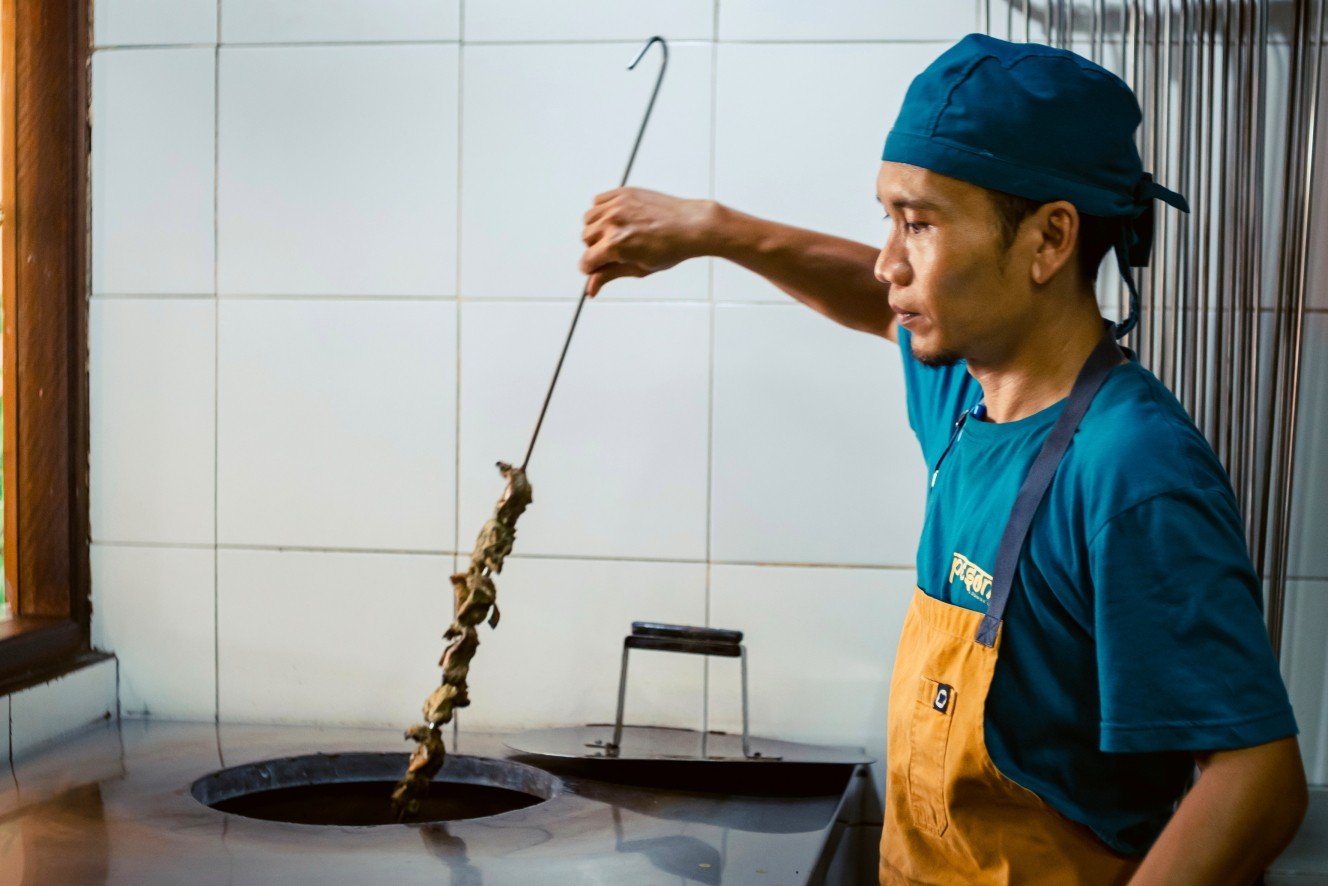
One of the most recognisable cooking methods in Indian cuisine is the tandoor, a traditional cylindrical clay oven capable of reaching extremely high temperatures.
The intense heat cooks food quickly while sealing in moisture, creating tender meat, lightly charred vegetables, and freshly baked bread with a distinctive smoky aroma. Unlike conventional ovens, the tandoor produces both radiant heat and live-fire cooking, giving dishes their signature texture and flavour.
Before cooking, ingredients are often marinated in yoghurt, herbs, and aromatic spices for several hours. This process allows the flavours to penetrate deeply while helping the meat remain juicy during cooking. Once placed inside the tandoor, the high temperature creates a lightly crisp exterior while keeping the inside tender and succulent.
Popular dishes such as Chicken Tikka, Fish Tikka, Paneer Tikka, and freshly baked naan all rely on this traditional cooking method. Their unmistakable smoky character is one of the reasons tandoori specialities remain favourites among diners around the world.
Slow Simmering for Rich Curries
Not every Indian dish is cooked over high heat.
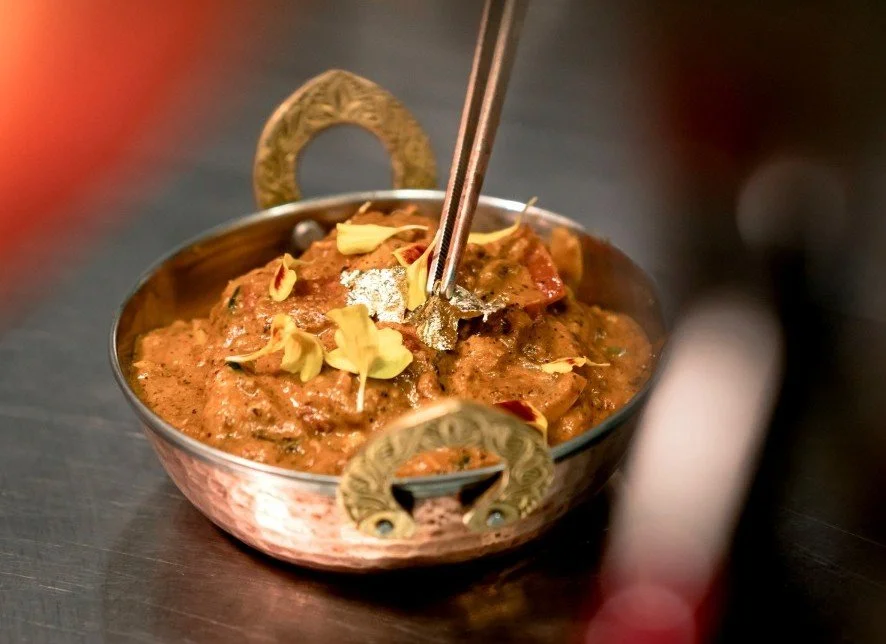
Many of India's most iconic curries achieve their flavour through slow simmering, a technique that gives onions, tomatoes, garlic, ginger, herbs, and spices enough time to develop naturally. Instead of rushing the cooking process, the ingredients are gently cooked over low heat until they form a smooth, aromatic sauce with remarkable depth.
Slow simmering also allows proteins and legumes to absorb the surrounding flavours. Rather than tasting individual spices, each bite delivers a balanced combination of savoury, creamy, tangy, and aromatic notes that work together in harmony.
Classic dishes such as Butter Chicken, Dal Makhani, and Chole Masala all benefit from this patient approach. Their rich flavour isn't created by adding more spices, but by giving every ingredient enough time to fully develop.
The next time you enjoy a traditional Indian curry, you'll know that its comforting taste comes not only from quality ingredients but also from cooking techniques that have been perfected over countless generations.
Tempering Spices (Tadka)
One of the most distinctive techniques in traditional Indian cooking is tadka, also known as tempering. Although it only takes a few minutes, this simple step plays a major role in developing the flavour of many Indian dishes.
Tadka begins by heating oil or ghee until it's hot enough to release the aroma of whole spices. Ingredients such as cumin seeds, mustard seeds, dried red chillies, curry leaves, and asafoetida are added to the hot oil, where they quickly sizzle and release their natural essential oils. This fragrant mixture is then poured over curries, lentils, or vegetable dishes, giving them a rich aroma and an extra layer of flavour.
Rather than making food hotter or spicier, tadka enhances the natural character of the spices. It's one of the reasons Indian cuisine is known for its depth and complexity instead of simply relying on chilli heat.
Popular dishes such as Dal Tadka, Chole Masala, and many vegetable curries all showcase how a small finishing technique can completely transform a meal.
Marination Before Cooking
Many of the most popular Indian dishes begin long before they reach the stove or tandoor.
Marination is an essential part of traditional Indian cooking because it allows flavours to develop gradually before the cooking process even begins. A classic marinade usually combines yoghurt, ginger, garlic, lemon juice, and a carefully balanced blend of herbs and spices.
Yoghurt does more than add flavour. Its natural acidity gently tenderises meat while helping the spices coat every surface evenly. As the ingredients rest, the seasonings penetrate deeper into the protein, creating flavour throughout rather than only on the outside.
This technique is especially important for dishes such as Chicken Tikka, Fish Tikka, Paneer Tikka, and Tandoori Chicken. The result is meat or seafood that remains juicy on the inside while developing a beautifully charred exterior during cooking.
Even before the first ingredient touches the heat, marination demonstrates the patience and attention to detail that define authentic Indian cuisine.
Dum Cooking
Another traditional cooking method that has stood the test of time is dum cooking, a technique that relies on slow cooking inside a tightly sealed pot.
Once the ingredients are layered together, the lid is sealed to trap steam inside. As the food cooks gently in its own moisture, the flavours blend naturally without losing their aroma. This slow process allows herbs, spices, rice, meat, and vegetables to absorb one another's flavours, producing a meal that is both delicate and deeply satisfying.
Dum cooking is most closely associated with biryani, where fragrant basmati rice is layered with marinated meat or vegetables before being cooked slowly until every grain becomes infused with spices and aromatic herbs.
Although the technique requires time and patience, the result is a dish with exceptional flavour and texture that simply cannot be rushed.
Bhuna Cooking
Another important technique in Indian kitchens is bhuna, a method of slowly cooking onions, tomatoes, ginger, garlic, and spices until they form a rich, concentrated masala.
Unlike quick frying, bhuna requires constant attention. The ingredients are stirred regularly over medium heat while moisture gradually evaporates. As the mixture thickens, the spices become more concentrated and the natural oils begin to separate from the masala. This is a sign that the flavour base has fully developed.
Many traditional curries begin with bhuna because it creates the foundation upon which the rest of the dish is built. A well-prepared bhuna delivers a rich, balanced flavour that carries through every spoonful of the finished curry.
Preserving a Culinary Tradition
While modern kitchens continue to evolve, many chefs still rely on these traditional cooking methods because they consistently produce authentic flavours that cannot be replicated through shortcuts.
Whether it's the smoky intensity of a tandoor, the fragrant finish of tadka, the careful preparation of a marinade, or the patient techniques of dum and bhuna cooking, every method reflects generations of culinary knowledge. Understanding these techniques helps diners appreciate that Indian cuisine is shaped not only by its ingredients but also by the craftsmanship behind every recipe.
Traditional Techniques That Stand the Test of Time
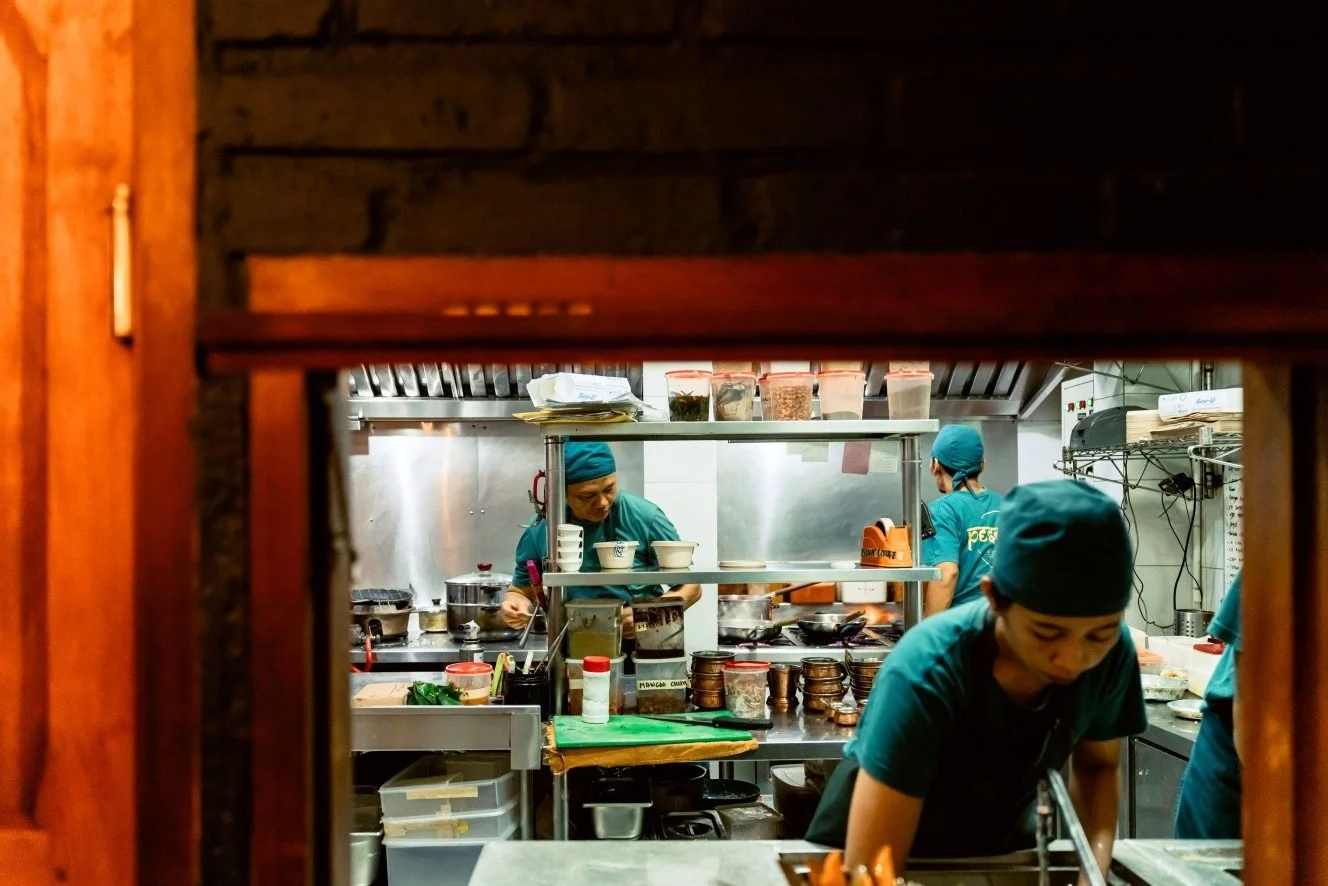
Despite advances in modern kitchen equipment, the foundations of Indian cooking have remained remarkably consistent. Many professional chefs continue to follow traditional methods because they produce flavours, textures, and aromas that modern shortcuts simply can't match.
Each technique serves a specific purpose. Tandoor cooking creates a lightly charred exterior while keeping meats and vegetables tender. Slow simmering allows curries to develop rich, well-balanced flavours. Tadka unlocks the aroma of whole spices, while marination and dum cooking ensure ingredients absorb seasoning from the inside out. Together, these methods create the complexity that makes authentic Indian cuisine so distinctive.
Understanding these techniques also changes the way you experience a meal. What may appear to be a simple curry or grilled dish is actually the result of careful preparation, precise timing, and culinary traditions that have been refined over generations.
Experience Authentic Indian Cuisine at Pesona Lounge Ubud
If you're looking for an Indian restaurant in Ubud, choosing a place that respects traditional cooking methods can make all the difference.
At Pesona Lounge Ubud, many signature dishes are inspired by classic Indian culinary traditions. From smoky tandoori specialities and slow-cooked curries to fragrant basmati rice and freshly baked naan, every dish is prepared with attention to flavour, balance, and authenticity.
Whether you're visiting for a casual lunch, a family dinner, or a special evening with friends, understanding the techniques behind each recipe makes the dining experience even more meaningful. Every bite reflects the craftsmanship and heritage that have made Indian cuisine one of the world's most respected food traditions.
The next time you enjoy Butter Chicken, Chicken Tikka, Fish Tikka, or a fragrant biryani, you'll know that their remarkable flavour comes not only from quality ingredients but also from traditional cooking methods that have been perfected over centuries.
Frequently Asked Questions
What is the most traditional cooking method in Indian cuisine?
One of the most iconic methods is tandoor cooking, where food is cooked inside a high-temperature clay oven. Other traditional techniques include tadka (tempering spices), dum cooking, bhuna cooking, and slow simmering.
Why are spices fried before being added to Indian dishes?
This technique, known as tadka, releases the natural oils and aromas of whole spices. It enhances the overall flavour of a dish and creates the rich, fragrant taste that is characteristic of many Indian recipes.
Why is yoghurt commonly used in Indian marinades?
Yoghurt helps tenderise meat while allowing herbs and spices to coat the ingredients evenly. This creates juicy, flavourful dishes such as Chicken Tikka, Fish Tikka, and Tandoori Chicken.
What is dum cooking used for?
Dum cooking is a slow-cooking technique where the pot is tightly sealed so steam remains inside. It's commonly used to prepare biryani, allowing the rice, meat, vegetables, herbs, and spices to cook together while preserving their aroma and flavour.
Where can I enjoy authentic Indian cuisine in Ubud?
If you're looking for authentic Indian food in Ubud, Pesona Lounge Ubud offers a menu inspired by traditional Indian cooking techniques. From tandoori specialities to slow-cooked curries and freshly baked naan, guests can experience the rich flavours and culinary heritage that have made Indian cuisine beloved around the world.