Gluten-Free Indian Food in Ubud: What Travellers Should Know
Travelling with dietary restrictions doesn't mean you have to miss out on discovering great food. If you follow a gluten-free diet, you'll be pleased to know that Indian cuisine offers many dishes that are naturally made without gluten. Thanks to its use of rice, lentils, vegetables, yoghurt, and aromatic spices, Indian food can be an excellent choice for travellers looking for both flavour and flexibility.
If you're exploring the diverse food in Ubud, you'll find that many restaurants are familiar with different dietary preferences. However, knowing which Indian dishes are naturally gluten-free, and which ones typically contain wheat, can help you order with greater confidence, especially if you have coeliac disease or gluten sensitivity.
In this guide, we'll explain what gluten-free travellers should know before visiting an Indian restaurant in Ubud, including which dishes are usually safe, what ingredients to watch for, and how to communicate your dietary needs while dining.
Is Indian Food Naturally Gluten-Free?
The answer is yes, but not every dish.
Many traditional Indian recipes are naturally gluten-free because they're prepared using ingredients such as basmati rice, lentils, chickpeas, vegetables, dairy products, herbs, and spices. These ingredients form the foundation of countless curries and grilled dishes without relying on wheat flour.
At the same time, several popular menu items do contain gluten. Naan, roti, paratha, and kulcha are all traditionally made with wheat flour. Some sauces, marinades, or spice blends may also contain hidden sources of gluten depending on the recipe and the restaurant's preparation methods.
Understanding this difference is the first step to enjoying Indian cuisine safely while travelling.
Naturally Gluten-Free Indian Dishes to Try
One of the biggest advantages of Indian cuisine is the variety of naturally gluten-free dishes available.
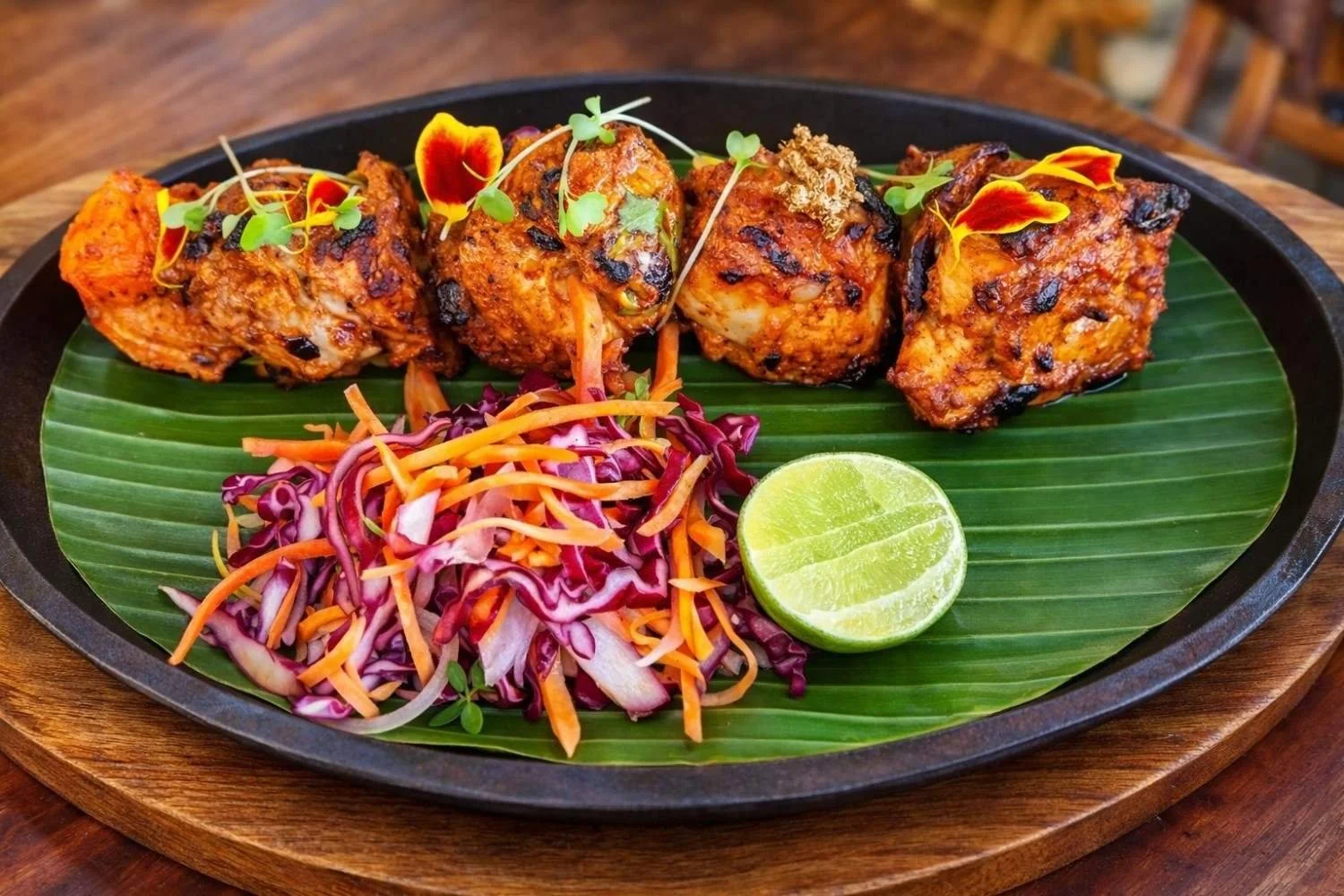
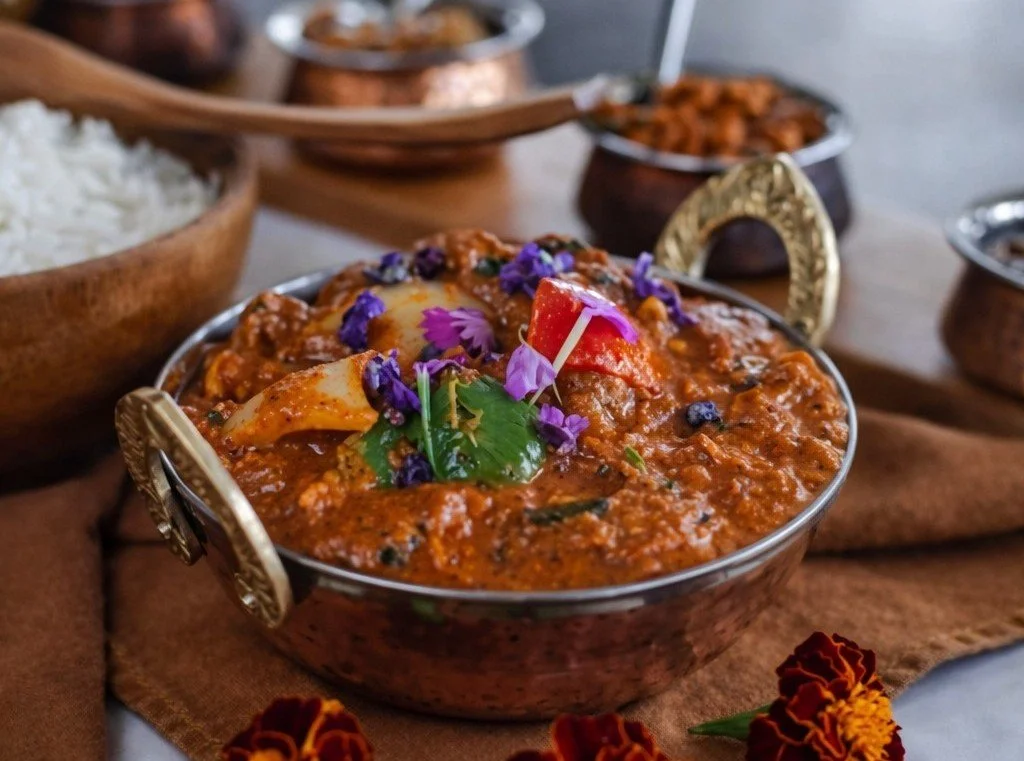
Grilled tandoori meats, lentil-based curries, chickpea dishes, vegetable curries, and rice-based meals are often excellent choices. A classic Butter Chicken served with basmati rice, Dal Makhani, Chana Masala, grilled kebabs, or tandoori chicken are commonly prepared without wheat when made using traditional recipes.
Although these dishes are generally considered gluten-free, recipes can vary from one restaurant to another. If you have coeliac disease or severe gluten sensitivity, it's always worth confirming the ingredients and preparation methods before ordering.
Gluten-Free Doesn't Always Mean Coeliac-Safe
This is one of the most important things every traveller should understand.
A meal can be prepared using naturally gluten-free ingredients but still come into contact with gluten during cooking. Shared preparation surfaces, shared tandoor ovens, cooking utensils, or wheat-based ingredients used in other dishes may create cross-contact, which can be a serious concern for people with coeliac disease.
Rather than simply asking whether a dish is gluten-free, explain your dietary requirements clearly before ordering. Restaurants that understand gluten-free dining will usually be happy to recommend suitable dishes or explain how they're prepared, allowing you to enjoy your meal with greater confidence.
Dining Gluten-Free Starts with Good Communication
Finding gluten-free food while travelling isn't just about choosing the right dishes. It's also about dining at a restaurant that understands your dietary needs.
When visiting an Indian restaurant in Ubud, let the staff know you're following a gluten-free diet before placing your order. If you have coeliac disease or severe gluten sensitivity, explain that even small amounts of gluten or cross-contact can be a concern. Most restaurants are happy to explain their ingredients, preparation methods, and recommend dishes that suit your dietary requirements.
A brief conversation before ordering can help you enjoy your meal with greater confidence and peace of mind.
Rice Is Often the Safest Choice
Rice is a staple of Indian cuisine, making it one of the easiest and most reliable options for gluten-free travellers.
Fragrant basmati rice pairs perfectly with curries, grilled meats, lentil dishes, and vegetable-based recipes. Unlike traditional breads such as naan, roti, paratha, and kulcha, basmati rice is naturally gluten-free and complements almost every Indian meal.
For many travellers, choosing rice instead of bread is a simple way to enjoy authentic Indian flavours while staying true to their dietary needs.
Be Aware of Hidden Sources of Gluten
Not every source of gluten is immediately obvious.
Some restaurants may use wheat flour to thicken curries, while certain commercial spice blends contain wheat-based additives. Another ingredient worth asking about is hing (asafoetida), which is sometimes mixed with wheat flour before being added to lentil or vegetable dishes. Shared fryers, cooking utensils, and even tandoor ovens may also increase the risk of cross-contact for guests with coeliac disease.
If you have a medical reason for avoiding gluten, it's always better to ask a few extra questions rather than making assumptions. A knowledgeable restaurant team will be happy to explain how dishes are prepared and recommend the safest options for your needs.
A Simple Gluten-Free Meal to Order
If you're trying Indian food for the first time, keeping your order simple is often the best approach.
Start with a classic Butter Chicken served with fragrant basmati rice, or choose grilled tandoori chicken for a lighter option. Pair it with a comforting bowl of Dal Makhani or a vegetable curry to enjoy a balanced meal featuring protein, vegetables, and the aromatic spices that make Indian cuisine so distinctive.
Beginning with naturally gluten-free dishes allows you to experience the richness and diversity of Indian cuisine without feeling overwhelmed by unfamiliar menu choices.
Enjoy Gluten-Free Indian Food with Confidence
Following a gluten-free diet shouldn't stop you from enjoying one of the world's most flavourful cuisines. With a little preparation and a better understanding of the menu, Indian food can be a delicious and satisfying choice while travelling in Bali.
Many traditional Indian dishes are naturally prepared with rice, lentils, vegetables, yoghurt, and aromatic spices instead of wheat. By choosing these dishes, asking about ingredients, and informing the restaurant about your dietary requirements, you can enjoy authentic Indian flavours with greater confidence. Experts also recommend discussing cross-contact if you have coeliac disease or severe gluten intolerance, as preparation methods are just as important as the ingredients themselves.
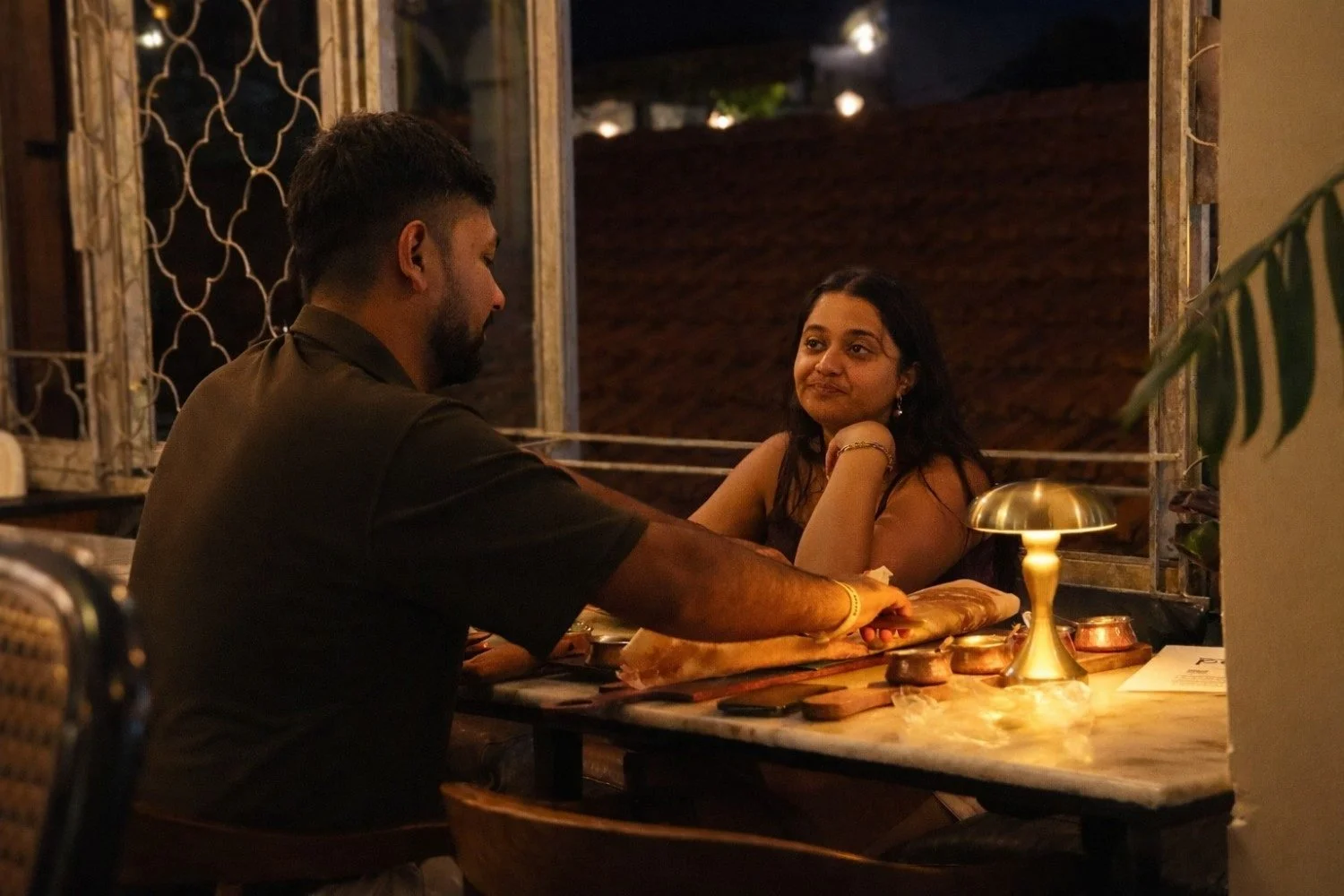
If you're looking for an Indian restaurant in Ubud, choose one that offers a varied menu and is happy to answer questions about ingredients and preparation. At Pesona Lounge Ubud, guests can simply let the team know about their dietary requirements before ordering. The staff are happy to recommend suitable dishes and help you choose from a selection of grilled tandoori specialities, rice-based meals, vegetarian favourites, and traditional curries that may fit your gluten-free preferences.
Whether you're visiting Ubud for a few days or planning a longer stay, knowing what to order and communicating your dietary needs will help you enjoy the incredible food in Ubud without unnecessary worry.
Frequently Asked Questions
Is Indian food naturally gluten-free?
Many Indian dishes are naturally gluten-free because they're made with rice, lentils, vegetables, yoghurt, legumes, and spices. However, some dishes contain wheat or may be exposed to gluten during preparation, so it's always best to ask before ordering.
Can I eat naan if I'm gluten-free?
No. Traditional naan is made with wheat flour, making it unsuitable for a gluten-free diet. Basmati rice is usually the best alternative and pairs well with most Indian curries.
Is Butter Chicken gluten-free?
Butter Chicken is often gluten-free when prepared using traditional ingredients. However, recipes can vary between restaurants, so travellers with coeliac disease or severe gluten sensitivity should always confirm the ingredients and preparation methods before ordering.
What are some naturally gluten-free Indian dishes?
Popular choices include tandoori chicken, Dal Makhani, Chana Masala, vegetable curries, and curries served with basmati rice instead of wheat-based breads.
Should I tell the restaurant that I'm gluten-free?
Yes. Letting the restaurant know before ordering helps the kitchen recommend suitable dishes and explain any potential cross-contact risks. This is especially important for guests with coeliac disease.
Where can I find gluten-free Indian food in Ubud?
Many Indian restaurants offer naturally gluten-free dishes made with rice, lentils, vegetables, and grilled meats. Look for a restaurant with a diverse menu and knowledgeable staff who are happy to discuss ingredients and preparation methods, so you can enjoy your meal with confidence.