Vegetarian & Vegan Dining in Ubud: Where to Eat

Ubud has become one of Bali’s most interesting destinations for travellers who enjoy eating well while exploring different approaches to food and wellness. Alongside traditional Balinese cuisine, the town has developed a diverse dining scene with plant-based cafés, international restaurants, and kitchens that offer vegetarian and vegan choices.
But vegetarian and vegan dining in Ubud is not limited to salads, smoothie bowls, or health-focused cafés. Many cuisines naturally offer substantial plant-based dishes, and Indian cuisine is one of the best examples. Lentils, chickpeas, vegetables, rice, herbs, and aromatic spices have long played an important role in Indian cooking, creating meals that can be rich, satisfying, and full of flavour without relying on meat.
For travellers searching for vegetarian food in Ubud, this makes Indian cuisine particularly worth exploring. And for vegan diners, there are also dishes that can fit a plant-based diet, although checking individual ingredients is important because dairy products such as ghee, butter, yogurt, paneer, and cream are commonly used in Indian cooking.
Why Ubud Is Popular for Vegetarian and Vegan Dining
The connection between Ubud and wellness has helped create a food culture where different dietary preferences are widely accommodated.
Travellers visiting for yoga retreats, wellness holidays, cultural experiences, or simply a slower-paced Bali trip can find a variety of restaurants offering vegetarian and vegan dishes.
However, the appeal of plant-based dining extends beyond people following a strict diet.
Some travellers choose vegetarian meals because they want to eat more vegetables during their holiday. Others enjoy discovering new ingredients and cooking traditions, while some simply prefer lighter meals during a busy day of exploring Ubud.
This means vegetarian and vegan dining in Ubud can be part of almost any travel itinerary, whether you are fully plant-based or simply curious about trying something different.
Why Indian Cuisine Works So Well for Vegetarian Dining
Indian cuisine has an exceptionally broad vegetarian tradition.
Across different regions of India, ingredients such as lentils, chickpeas, potatoes, spinach, cauliflower, peas, tomatoes, and other vegetables are transformed into dishes with very different flavours and textures.
The use of spices is also about much more than making food hot.
Cumin can add earthiness, coriander brings freshness, turmeric contributes colour and warmth, while spices such as cardamom and garam masala create aromatic depth. The combination of these ingredients allows a simple vegetable or lentil dish to become a complete and satisfying meal.
For travellers who are new to Indian cuisine, this is one of the most enjoyable ways to discover that vegetarian food does not have to mean sacrificing flavour.
Vegetarian Dining at Pesona Lounge Ubud
For visitors looking for vegetarian Indian food in Ubud, Pesona Lounge Ubud offers a range of meat-free dishes within its wider Indian menu.
Vegetarian choices include dishes such as Mung Dal Tadka, Vegetable Curry, Aloo Gobi, Dal Makhani, Chole Masala, Paneer Masala, Saag Paneer, and Saag Aloo.
This variety gives vegetarian diners more flexibility than simply choosing one meat-free dish. Different preparations can be ordered together and shared, allowing guests to experience different textures, spices, and styles of Indian cooking during the same meal.
Vegan Options for Plant-Based Diners
There are also vegan-friendly choices available, including dishes such as Samosa, Onion Bhaji, Mixed Vegetable Pakora, and Aloo Tikki, along with selected plant-based preparations.
For strict vegans, however, it is important to distinguish between vegetarian and vegan dishes. Indian cooking frequently uses dairy ingredients, so checking the preparation of individual dishes and communicating dietary requirements when ordering is always recommended.
That small step can make the experience much easier for travellers searching for vegan food in Ubud while still wanting to explore traditional Indian flavours.
How to Choose Vegetarian and Vegan Food in Ubud
With so many plant-based choices available in Ubud, finding the right restaurant is not always about searching for a place labelled “vegetarian” or “vegan”. It is also worth looking at the variety of dishes, the ingredients used, and whether the restaurant can accommodate different dietary preferences.
This is particularly useful with Indian cuisine. A restaurant may have a strong vegetarian selection without being entirely vegetarian, while some vegetarian dishes may still contain dairy ingredients.
For travellers following a strict vegan diet, understanding this distinction can help avoid surprises when ordering.
Look Beyond the Menu Labels
Vegetarian and vegan are not interchangeable terms.
A vegetarian dish may contain ingredients such as paneer, yogurt, butter, ghee, or cream. Vegan dishes, on the other hand, need to avoid animal-derived ingredients altogether.
If you have a strict dietary requirement, ask about the preparation rather than assuming that a vegetable-based dish is automatically vegan.
This is especially important with Indian breads, sauces, curries, and desserts, where dairy ingredients can sometimes be part of the recipe.
Exploring More Than Just Curry
One of the best things about vegetarian Indian food is the range of textures and cooking methods available.
You can explore lentil dishes, chickpea preparations, vegetable curries, spiced potatoes, leafy greens, paneer, rice, and different types of Indian breads.
At Pesona Lounge Ubud, vegetarian diners can combine several dishes to create a varied meal rather than relying on one main course.
For example, a lentil dish can be enjoyed with naan or rice, while a vegetable or paneer preparation adds another texture and flavour to the table.
This style of ordering works particularly well when dining with other people because several dishes can be shared.
A Practical Choice for Groups with Different Diets
Travelling with a group can make dietary preferences more complicated. One person may be vegetarian, another vegan, while others may want meat or seafood.
Indian cuisine can make this easier because different types of dishes can be ordered together.
At Pesona Lounge Ubud, vegetarian and vegan-friendly choices sit alongside meat and seafood dishes, allowing different dietary preferences to be accommodated at the same table.
This makes the restaurant relevant for families, couples, and groups of friends who do not necessarily follow the same diet.
Vegetarian Food Without Sacrificing Flavour
Plant-based dining is sometimes associated with simple or light meals, but Indian cuisine offers a different perspective.
The depth of flavour often comes from the combination of spices, aromatics, herbs, lentils, vegetables, and cooking techniques rather than from meat itself.
A well-prepared dal can be deeply aromatic, chickpeas can become rich and satisfying when cooked with spices, and vegetables can take on completely different characteristics depending on how they are prepared.
For travellers exploring vegetarian restaurants in Ubud, this is one reason Indian cuisine deserves a place on the itinerary.
You do not have to follow a vegetarian or vegan diet to enjoy it. Sometimes, choosing a plant-based Indian meal is simply an opportunity to discover another side of the cuisine.
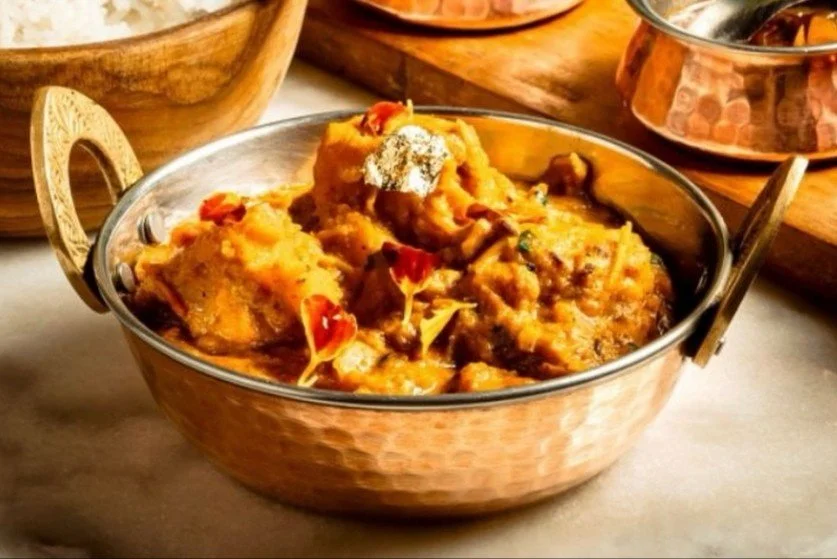
Making Vegetarian and Vegan Dining Part of Your Ubud Experience
For many travellers, finding vegetarian or vegan food in Ubud is not simply about following a particular diet. It can also be a chance to explore ingredients and cooking traditions that may be different from what they eat at home.
Indian cuisine fits naturally into this experience. The combination of lentils, vegetables, chickpeas, herbs, rice, and aromatic spices creates plenty of possibilities for a satisfying meal, whether you are fully plant-based or simply want to try something different during your stay in Bali.
At Pesona Lounge Ubud, vegetarian and vegan-friendly dishes are part of a wider Indian menu, allowing groups with different dietary preferences to enjoy a meal together.
Why Consider Pesona Lounge Ubud?
For travellers searching for vegetarian restaurants in Ubud, having several meat-free choices can make a restaurant more useful than one that offers only a single vegetarian dish.
Pesona Lounge Ubud offers a selection of vegetarian preparations, including lentil dishes, vegetable curries, chickpea-based dishes, and paneer preparations. Vegan-friendly choices provide additional flexibility for guests who avoid animal products.
The setting is also part of the experience. Located in central Ubud, Pesona combines Indian cuisine with a contemporary lounge atmosphere, making it suitable for a relaxed lunch, dinner, or longer meal with friends and family.
For groups with different dietary preferences, this can be particularly convenient because everyone can choose dishes according to their own preferences while still sharing the same table.
A Few Things to Remember When Dining Plant-Based
If you follow a vegetarian or vegan diet, a little preparation can make dining out easier.
Before ordering, check whether a dish contains ghee, butter, cream, yogurt, paneer, or other dairy ingredients. If you have a strict dietary requirement or food allergy, communicate it clearly to the restaurant team.
It is also worth remembering that menus and recipes can change, so checking the current preparation when you visit is always the safest approach.
For vegan diners especially, this distinction matters. A restaurant can offer several vegan dishes without being an entirely vegan restaurant.
Exploring Ubud Through Its Food
Vegetarian and vegan dining is just one part of Ubud's broader food culture.
You might spend the morning exploring the town, visit a temple or art space, take a walk through the surrounding streets, and finish the day with an Indian meal built around vegetables, lentils, chickpeas, rice, and aromatic spices.
That flexibility is part of what makes vegetarian and vegan dining in Ubud appealing. You do not need to follow a completely plant-based lifestyle to enjoy it.
Final Thoughts
Finding vegetarian and vegan food in Ubud does not have to mean choosing between dietary preferences and flavour.
Indian cuisine offers an especially broad range of plant-based possibilities, from lentils and chickpeas to vegetable curries, paneer dishes, rice, breads, and other traditional preparations.
For travellers looking for vegetarian and vegan food in Ubud, Pesona Lounge Ubud offers one option to explore, with a selection of vegetarian and vegan-friendly Indian dishes in a contemporary setting in central Ubud.
Whether you are fully plant-based or simply curious about trying more vegetarian food during your Bali trip, Indian cuisine offers plenty of opportunities to discover new flavours while enjoying a relaxed meal in Ubud.
Frequently Asked Questions
Is Pesona Lounge Ubud suitable for vegetarian diners?
Yes. Pesona Lounge Ubud offers a range of vegetarian Indian dishes, including lentil, vegetable, chickpea, and paneer-based preparations.
Does Pesona Lounge Ubud have vegan options?
Yes. Vegan-friendly dishes are available, although guests following a strict vegan diet should check individual ingredients and preparation methods before ordering.
What vegetarian Indian dishes can I try in Ubud?
Options can include dal, vegetable curry, aloo gobi, chole masala, paneer dishes, and other vegetable-based Indian preparations.
Is Indian food suitable for a vegan diet?
Indian cuisine includes many naturally vegan dishes, but some preparations contain dairy ingredients such as butter, ghee, yogurt, cream, or paneer. Always check the ingredients when following a strict vegan diet.
Where can I find vegetarian Indian food in Ubud?
Pesona Lounge Ubud is one option for vegetarian Indian dining in central Ubud, offering a variety of vegetable, lentil, chickpea, and paneer-based dishes.
Can vegetarian and non-vegetarian groups dine together?
Yes. Indian cuisine offers enough variety for a table to combine vegetarian, vegan-friendly, meat, and seafood dishes, making it practical for groups with different dietary preferences.